
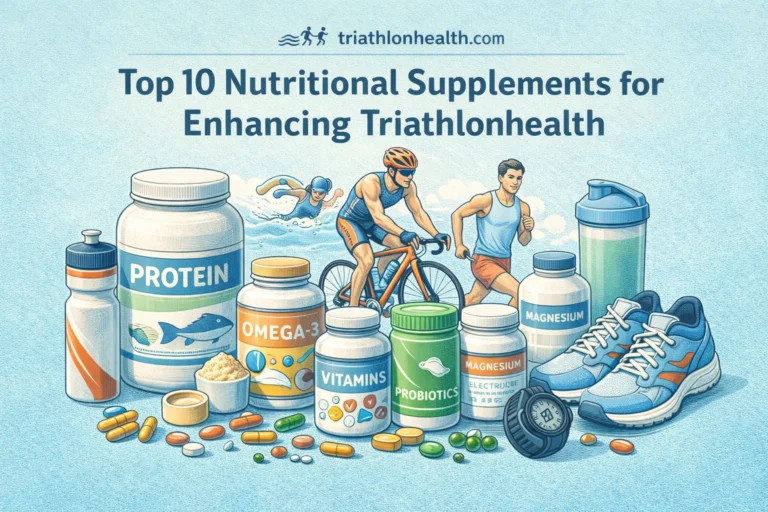
Triathletes need smart fueling and smart supplements. This article lists the best triathlonhealth supplements to help you train harder, recover faster, and race stronger. I am a triathlon journalist and coach with years of field experience. I write in plain language and I am excited to share proven options you can consider.
The list covers supplements that help endurance, strength, immune health, and recovery. You will find clear reasons to use each product, safe dose ranges, and what to watch for. Use this guide as a starting point while checking with your medical team for personal advice.
Top 10 triathlonhealth supplements
Choosing supplements for triathlon is about needs and timing. You want products that support long training sessions, help recovery between sessions, and reduce illness risk during intense blocks. Quality matters. Look for trusted brands and third party testing.
When I pick triathlonhealth supplements, I focus on evidence and real-world benefit. Some supplements give small gains. Others reduce injury or illness risk. Together they create a complete plan that fits your training and budget.
Below is a quick list of the top 10 supplements many triathletes use. Read each detailed section after the list to learn how and when to use them safely.
Here is a short list of the top picks to scan first.
Lead-in: These entries name the supplements and the primary reason to consider each one.
- Omega-3 (Fish Oil) — reduces inflammation and supports recovery
- Whey Protein or Plant Protein — fuels muscle repair after long workouts
- Vitamin D — supports bone health and immune function
- Electrolytes (Sodium, Potassium, Magnesium) — prevent cramps and support hydration
- Caffeine — boosts focus and race performance
- Beta-Alanine — delays muscle fatigue in high intensity efforts
- Beetroot/Nitrate — improves endurance by supporting blood flow
- Branched-Chain Amino Acids (BCAAs) — reduce muscle soreness and support recovery
- Collagen — supports tendon and joint repair
- Probiotics — protect gut health during heavy training
Omega-3 (Fish Oil)
Omega-3 fatty acids come from fish oil and certain plant sources. They lower inflammation and may speed recovery after long workouts. For triathletes facing heavy training loads, that can mean better training consistency and less soreness.
Typical dosing is 1,000 to 3,000 mg of combined EPA and DHA daily. Look at the EPA and DHA numbers on the label rather than the total oil amount. Take the supplement with a meal that contains fat for better absorption and fewer stomach issues.
Choose a product tested for purity to reduce the risk of contaminants. If you are vegetarian or vegan, consider algae-based omega-3 supplements that provide DHA. Watch for fishy aftertaste and store capsules in a cool place to keep them fresh.
Whey Protein or Plant Protein
Protein supports muscle repair after long swims, rides, and runs. A post-workout protein drink helps refill the muscles with amino acids and speeds recovery. Both whey and high-quality plant proteins work when taken soon after training.
Target 20 to 30 grams of protein within 30 to 60 minutes after moderate or hard sessions. On long brick days, add a second protein feed later in the day. If you prefer plant protein, choose blends that include rice and pea to improve amino acid balance.
Mix protein powder with water or milk, and add a small carb source after long sessions to restore glycogen. Check the ingredient list for added sugar and unwanted fillers. Quality protein helps you recover faster and keeps immune function stronger during heavy training.
Vitamin D
Vitamin D is key for bone health, muscle strength, and immune defense. Many athletes who train indoors or live in northern latitudes have low vitamin D levels. Low levels can increase illness risk and reduce training quality.
Typical supplementation ranges from 1,000 to 4,000 IU daily, but testing blood levels is the safest choice. Aim for a blood 25(OH)D level recommended by your clinician. Vitamin D is fat soluble, so take it with a meal that contains fat for better absorption.
Excess vitamin D can be harmful, so do not guess at high doses. Work with your health provider to test levels and pick a dose that is right for you. A reliable vitamin D plan supports strong bones and steady training over months of preparation.
Electrolytes (Sodium, Potassium, Magnesium)
Electrolytes control fluid balance, nerve signals, and muscle function. For triathletes, sodium loss through sweat is a major concern during long sessions or hot days. Replacing electrolytes helps you avoid cramps and keeps power steady on the bike and run.
Use electrolyte mixes or tablets that include sodium, potassium, and magnesium. For sessions under 60 minutes, plain water and a normal diet may be enough. For longer workouts or races, aim to replace sodium and fluids at a steady rate and include magnesium for muscle support.
Trial your plan in training to find the right amount. Overconsumption of sodium can feel uncomfortable, and too much magnesium may cause loose stools. A steady tested plan keeps your body working well across long sessions and hot races.
Caffeine
Caffeine is a legal, low-cost way to boost race performance. It raises alertness and can improve power and speed. Many athletes use caffeine before a key interval session or before the race start to sharpen focus and reduce perceived effort.
Typical effective doses are 3 to 6 mg per kg of body weight taken about 30 to 60 minutes before effort. Smaller doses spread during long events can also help. Try your chosen dose in training to check for stomach upset or jitters.
Use caffeine strategically. Avoid daily high doses that impair sleep. If you train in the evening, timed caffeine can reduce quality sleep and slow recovery. When used well, caffeine is a simple tool to lift performance on race day.
Beta-Alanine
Beta-alanine helps buffer muscle acid during high intensity efforts. It is most useful for repeated hard efforts or long tempo efforts that last from one to several minutes. Many triathletes use it to improve sustained power on the bike or to hold a faster pace on the run.
Dosing is typically 3 to 6 grams per day divided into smaller doses to reduce tingling sensations. Benefits often appear after 2 to 4 weeks of consistent use. It is not a one-time pre-race booster, but a training supplement that builds with use.
Combine beta-alanine with a solid training plan. Expect modest gains in high intensity tolerance. If you notice skin tingling, split the dose into several smaller portions to reduce the effect while maintaining benefit.
Beetroot / Dietary Nitrate
Beetroot and other nitrate-rich foods can improve blood flow and efficiency during endurance exercise. Many triathletes use beetroot juice or nitrate supplements to improve time to fatigue and sustain pace at submaximal efforts.
Typical use is about 300 to 600 mg of nitrate taken several hours before a session or race. Some athletes use a daily low dose for several days leading up to a race. Effects vary by individual, and not all athletes see a large benefit.
Try beetroot in training before using it on race day. It pairs well with carbohydrate intake and can make long steady efforts feel easier. Monitor how your body responds and choose a product with clear nitrate labeling.
Branched-Chain Amino Acids (BCAAs)
BCAAs include leucine, isoleucine, and valine. These amino acids can help reduce muscle soreness and support recovery when training is heavy. They are handy during long sessions or when you expect limited food intake.
Typical dosing ranges from 5 to 20 grams around training sessions. They are not a substitute for whole protein, but they supply fast amino acids to working muscles. Use them when you need a light, easy-to-digest option during long rides or runs.
Combine BCAAs with a solid diet that provides enough total protein. If your daily protein intake is already high, BCAAs may add little value. They are most useful when protein intake is low or when you need a quick source of amino acids during long sessions.
Collagen
Collagen supplements can support tendon and joint health. Triathletes place repeated stress on connective tissue from long hours of swimming, cycling, and running. Collagen plus vitamin C may help the repair process in tendons and ligaments.
Common dosing is 10 to 20 grams of hydrolyzed collagen daily combined with a vitamin C source. Take collagen at consistent times, often before or after training. Results may take weeks to months of regular use.
Collagen is not a fix for poor movement patterns or training errors. Use it with smart training load management and targeted strengthening. When used correctly, it can reduce injury risk and support steady training.
Probiotics
Heavy training can affect gut health and immune function. Probiotics help maintain a healthy balance of gut bacteria and can reduce the risk of stomach troubles or minor infections during intense blocks of work.
Choose strains with evidence for immune or gut benefits and take probiotics daily. Effects are strain specific, so pick a product tested in athletes when possible. Use probiotics as part of a broad nutrition plan that includes fiber and fermented foods.
Probiotics are a low-risk option to support health during long training cycles. Start them well before a race and monitor for any digestive changes. A stable gut supports consistent training and helps you avoid missed sessions due to illness.
Choosing and using triathlonhealth supplements

Match supplements to your training goals and your current diet. Supplements are most useful when they fill a gap or reduce a clear risk. They are not a replacement for a solid training plan and balanced food intake.
Look for third party testing labels and clear ingredient lists. Avoid products with overstated claims or hidden stimulants. Keep a training log to see if a supplement is helping. Small gains add up over weeks and months.
Work with a coach, sports dietitian, or medical professional to tailor choices. I recommend baseline blood tests for things like vitamin D. Track how you feel, recover, and perform to judge value. For practical nutrition planning, try pairing this guide with your daily meal plan or triathlonhealth nutrition notes.
Key Takeaways
These top 10 triathlonhealth supplements can support endurance, recovery, and resilience when used wisely. The best choices depend on your sport demands, training load, and current diet. Use evidence based supplements to keep training time high and illness time low.
Test supplements in training, not on race day. Start with basics like protein, omega-3, vitamin D, and electrolytes. Add targeted aids such as caffeine or beetroot closer to race day based on your response.
Work with health professionals for testing and dosing when needed. Keep things simple and consistent. Small, steady improvements from well selected triathlonhealth supplements make a real difference over a season. Train smart and fuel well to reach your goals.