
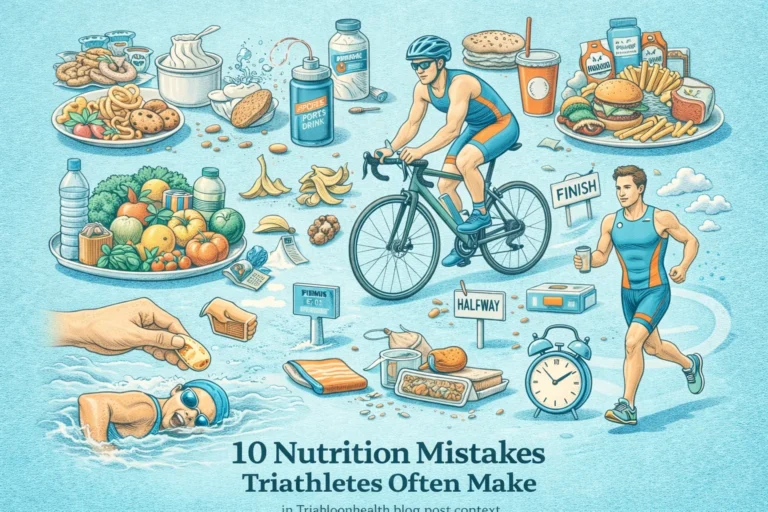
Most triathletes know training plans and gear matter, but nutrition can be the difference between a strong race and a difficult day. This guide focuses on nutrition mistakes triathlonhealth athletes commonly make, and shows clear, practical steps to fix them. Read on to learn specific errors, how they affect performance, and simple solutions you can test in training.
Top 10 nutrition mistakes triathlonhealth
Before we go through the ten common errors, remember that good nutrition starts with practice. You need to test fueling strategies during training so race day is predictable. The list below targets mistakes that come up again and again with age-groupers and pros alike.
Each mistake includes a description, why it matters, and clear actions to try. Use these suggestions as a starting point and adapt them to your body, race distance, and conditions. The aim is to reduce surprises and keep energy steady on race day.
This article keeps the language practical and the steps actionable. If you are new to structured fueling, focus on the basics first, like consistent carbohydrate intake, hydration, and trying products well before race day. If you are experienced, use the checks and refinements here to tighten your plan.
Mistake 1: Skipping or under-fueling morning sessions
Many triathletes skip breakfast or eat too little before morning workouts. They assume a light session needs minimal fuel, or they want to train fasted. Training without enough carbohydrates lowers intensity and reduces quality of the workout. Over time, this harms adaptations and leaves you underprepared for race demands.
Training fasted can be useful for specific metabolic goals, but it should be scheduled and limited. For regular high-quality sessions, especially long rides or interval days, you need easy-to-digest carbs before you start. The right pre-workout snack improves power, focus, and recovery.
Before a morning session, aim for 30 to 90 grams of carbohydrate depending on duration and intensity. Simple options include toast with jam, a banana with yogurt, or an energy drink. If you have limited time, a small liquid option works well and lowers gut stress. Experiment with timing so you are not bloated when you start.
Practical steps to try for morning training include a 30-minute test run with a light snack, and a 60- to 90-minute ride with a 60-gram carb pre-load. Track how you feel and adjust amounts. Below are specific pre-workout snacks that travel well.
Before lists, here are easy examples of pre-workout choices to test during training.
- Sport drink with 30 to 60 grams of carbs for 30 to 90 minutes sessions
- Rice cake or two with jam plus a small yogurt
- Banana plus 200 ml low-fat milk or milk alternative
- Small bowl of oats or porridge with honey for longer morning efforts
Mistake 2: Not practicing race nutrition during training
Too many athletes try new gels, bars, or electrolyte mixes on race day. That is risky. Your gut and performance need time to adapt to the foods and timing you plan to use. Practicing nutrition during long training sessions builds tolerance and confidence.
Start by matching your race fueling plan to training long rides and runs. If you plan to take a gel every 30 to 45 minutes, use that rhythm in training. If your race has aid stations at fixed intervals, replicate the timing. This helps you identify products that sit well and the right amounts for your stomach.
Record what works in training. Note brand, flavor, texture, and how long after ingestion you felt energy. If a product causes bloating, nausea, or loose stools, switch and retest. Small adjustments in concentration, like diluting a gel with water, can often solve problems.
Follow these steps to build a practiced race nutrition plan over several weeks and months. Testing helps you avoid surprises and reduces anxiety on race day.
Practical checklist to practice your race nutrition during training:
- Use your race-day gels, bars, and drinks on long sessions at race intensity
- Match the timing you plan for the race, including aid station spacing
- Note any gut reactions and try diluting or switching products if needed
- Do at least two full-scale practice runs for key distances like half or full IM
Mistake 3: Relying on too many new or untested supplements
There is a large market for supplements that promise gains, but adding too many new items at once is risky. A new electrolyte powder, protein mix, or caffeine capsule can interact with other products and cause symptoms. Supplements should be added one at a time and tested thoroughly.
Also recognize that real food often meets your needs without extra products. Whole foods provide fiber, vitamins, and a slower release of energy. Supplements can help in specific scenarios, like long events or when real food is impractical, but they are not a complete solution.
When trying a supplement, test it during training at race intensity. Use the smallest effective dose and give it several exposures before trusting it on race day. Track any side effects and stop if there are problems. Keep your list of supplements short and focused.
Below are rules to introduce supplements safely and wisely in your plan. This helps you build a reliable race fueling strategy that reduces gastrointestinal risk and surprise reactions.
Steps to introduce supplements safely:
- Add one new product at a time and use it in at least three training sessions
- Start with low doses, then move to race doses if tolerated
- Prefer products with clear ingredient lists and established testing standards
- Avoid unproven multi-ingredient mixes right before key events
Mistake 4: Ignoring hydration and electrolytes
Hydration is not just about drinking water. Electrolytes like sodium, potassium, and magnesium help maintain fluid balance and muscle function. Ignoring electrolyte needs can lead to cramps, fatigue, and poor performance, even if you are drinking plenty of water.
Fluid needs vary by sweat rate, weather, and how long you race. We recommend measuring your sweat rate with a simple pre- and post-session scale check. That gives you a baseline to plan fluid and electrolyte intake by hour. For long sessions and races, aim to replace fluid and key salts according to your measured losses.
Plain water during long efforts can dilute sodium and increase cramping risk. Use sports drinks with sodium and carbohydrates, or add electrolyte tablets. Regular small sips work better than drinking large volumes at once. Practicing this routine in training reduces surprises on race day.
Here are practical steps to dial in hydration and electrolytes so you feel steady through long efforts.
Hydration checklist and targets:
- Measure sweat rate: weigh before and after a one-hour effort, accounting for fluid intake
- Aim to replace 60 to 100% of sweat losses during long sessions, adjusting for heat
- Use sports drinks with sodium for sessions longer than 60 minutes
- Carry electrolyte tablets or mixes for events longer than 2 hours, and test them in training
Mistake 5: Under-fueling overall, not matching calories to training load
Triathletes often reduce calories to lose weight or because they underestimate how much energy their training requires. Chronic under-fueling reduces performance, immunity, and recovery. Over time it also increases injury risk and disrupts hormonal balance.
Training needs energy. Long rides, high-volume weeks, and repeated hard sessions burn significant calories. If you do not eat enough to support those demands, your body will slow down non-essential processes, and you will lose training quality. The goal is to match intake to output with room for recovery and adaptation.
Track your training load and pair it with a sensible calorie plan. Use a short-term target for daily calories and adjust based on how you feel, your resting heart rate, and training performance. Consider consulting a sports dietitian for personalized targets if you have chronic energy gaps or are preparing for a big event.
Below are practical ways to know if you are under-fueling and how to correct it safely.
Signs you may be under-fueling and fixes:
- Chronic fatigue, poor workouts, or stalled progress: add 200 to 400 kcal on hard days
- Frequent illness or slow recovery: increase protein and overall calorie intake
- Low resting heart rate variability or elevated morning heart rate: add more carbs and rest
- Use a week-by-week plan to add calories on heavy training days and scale back on easy days
Mistake 6: Poor timing of carbs and protein around workouts
When you eat matters nearly as much as what you eat. Carbohydrate and protein timing affect training quality and recovery. Many athletes eat unevenly, with low carbs before hard sessions and inadequate protein after workouts. This slows recovery and weakens adaptations.
Before hard or long sessions, prioritize easily digested carbs that lift glycogen and blood sugar. After training, aim for a mix of carbohydrate and protein to refill glycogen and start muscle repair. A common target is 3:1 or 4:1 carb-to-protein ratio in the first 30 to 60 minutes post-effort for long sessions.
Regular small protein-rich meals across the day support repair and immune function. Aim for 20 to 30 grams of quality protein every three to four hours. For morning and evening workouts, plan quick options so timing is consistent and simple to execute.
Below are practical meal and snack examples to use before and after workouts. Test their timing in training to find what leaves you strongest for the next session.
Pre- and post-workout fueling examples:
- Pre 60 minutes: toast with honey, small banana, or 200 ml sports drink
- Post 30 to 60 minutes: smoothie with 40 g carbs and 20 to 30 g protein, or recovery drink
- Within 2 hours: balanced meal with carbs, lean protein, and vegetables
- For evening sessions: light carb snack 60 minutes prior and a protein-rich dinner after
Mistake 7: Ignoring gut training and managing gastrointestinal issues
Gastrointestinal problems are common in triathlon, especially at high intensity or in the heat. Runners often experience stomach upset, and swimmers who swallow pool water can add to gut distress. Yet many athletes ignore gut training until it becomes a race-day emergency.
Gut training means teaching your stomach to handle the types and volumes of fuel you plan to use. Start slowly, increasing carbohydrate concentration, volumes, and timing across weeks. This trains tolerance and reduces the risk of cramping, nausea, or diarrhea during the event.
If you have known gut issues, experiment with lower-fiber choices, adjusted timing, and liquid fuels. Some athletes do better with diluted sports drinks or specially formulated carbohydrate mixes. Seek medical advice for persistent problems and consider a sports nutritionist for complex cases.
Use the checklist below to guide a gut-training plan that reduces race-day surprises and improves comfort during long efforts.
Gut training steps to test in training:
- Start with low-concentration carbohydrate drinks and increase concentration gradually
- Practice taking fuels while at race intensity, not just during easy sessions
- If you get symptoms, try smaller, more frequent intakes and different textures
- Track foods that cause problems and avoid them in the 48 hours before long races
Mistake 8: Not adjusting nutrition for heat and humidity
Heat changes how your body uses fluids, electrolytes, and energy. In hot conditions, sweat rates rise and sweat composition can change. That increases the need for sodium and fluid, and may require more frequent carbohydrate intake. Many athletes fail to change their plan for heat and then struggle on race day.
Practice in conditions similar to race day when possible, or use heat acclimation sessions to help your body adapt. Increase sodium intake if you are a heavy sweater, and use electrolyte solutions rather than plain water on hot race days. Also lower expectations for pace early in the race to avoid early glycogen depletion in heat.
Adjust meal timing as well, favoring lighter, more easily digested foods in the 24 hours before a hot race. Avoid large, heavy meals that increase metabolic heat production. Small, frequent carbohydrate feeds often work better in heat.
Here are practical adjustments to nutrition and hydration when racing in warm or humid conditions.
Heat-specific nutrition adjustments:
- Measure sweat rate in warm conditions and increase fluid and sodium targets accordingly
- Use electrolyte drinks and aim for 300 to 700 mg sodium per hour for long efforts, based on sweat losses
- Prefer lighter, carbohydrate-rich meals the day before hot races
- Plan for more frequent small feeds during the race to maintain blood glucose
Mistake 9: Using weight loss as a primary performance strategy
While reducing excess body fat can help relative power and speed, aggressive weight loss is risky for triathletes. Rapid loss often comes with lower energy availability, decreased training quality, and increased illness or injury. Relying solely on weight changes for performance gains can backfire.
Focus on sustainable changes, like improving diet quality, timing, and training load. A slower, steady approach to weight change preserves muscle and performance. If fat loss is a goal, aim for modest weekly deficits and maintain protein and strength training to protect muscle mass.
Monitor performance, recovery, and mood as you adjust weight. If workouts suffer or you get frequent colds, reverse the deficit and reassess. Many athletes find the best performance gains come from better fueling, not extreme weight loss.
Below are safer approaches to body composition goals that protect training and race readiness.
Smart body composition steps:
- Aim for modest calorie deficits if needed, typically 200 to 400 kcal per day, not extreme cuts
- Keep daily protein intake at 1.6 to 2.2 g per kg body weight to protect muscle
- Include regular strength work to preserve lean mass while reducing fat
- Track performance metrics, not just scale weight, to guide adjustments
Mistake 10: Not personalizing a nutrition plan for your needs
Generic plans are a common starting point, but each athlete has unique needs. Differences in sweat rate, gut tolerance, training load, and personal preferences require adjustments. Sticking rigidly to a one-size-fits-all plan often causes issues on race day.
Personalization means testing and recording what works in a variety of conditions. It also means adjusting for race distance. What works for a sprint may fail in a half ironman. Personal factors like age, sex, training history, and allergies also guide choices. Start with a template but refine it through testing.
If you need help, work with a qualified sports dietitian who understands triathlon. They can help design a plan that fits your training schedule, schedule of races, and life demands. Small personalized changes can have a big impact on race day comfort and performance.
Use the steps below to build and refine a personalized nutrition plan that supports your goals.
Personalization checklist:
- Record sweat rate, preferred fuels, and tolerance to different textures
- Set race fueling targets by duration and intensity of the event
- Adjust for conditions like heat, altitude, and race aid station spacing
- Review and update the plan regularly based on training feedback
How to build a race-day nutrition plan

Building a race-day plan starts with a few clear goals: maintain blood glucose, replace fluids and electrolytes, and avoid gut distress. Combine those targets with timing and product testing so your plan is reliable. Start simple and add complexity only when the basics are solid.
First, calculate your carbohydrate target. For events under 90 minutes, 30 to 60 g per hour often suffices. For longer races, aim for 60 to 90 g per hour, and for very long events consider multiple carb sources to increase absorption. Test these targets in training and adjust amounts.
Next, plan hydration based on measured sweat rate and expected conditions. Use sports drinks to combine fluid and carbs when possible. Add electrolytes or sodium tablets if you sweat heavily. Use small, regular intakes rather than large volumes spaced far apart.
Finally, practice the plan in at least two long training sessions that mirror the race. Include the same pre-race meal, warm-up fuel, and in-race products. This practice reduces uncertainty and builds confidence for race day.
Below is a simple template to turn into a race-ready plan. Modify the numbers based on testing and individual needs.
- Pre-race meal 2 to 4 hours before start: 200 to 400 g carbs for long races, smaller amounts for short races
- Warm-up: small carb snack 15 to 45 minutes before the start, based on tolerance
- During race: 30 to 90 g carbs per hour depending on duration, plus fluids and electrolytes
- Post-race: 20 to 40 g protein plus 40 to 80 g carbs within 30 to 60 minutes for recovery
Common questions and quick fixes
Here I answer common questions triathletes ask about fueling. These are short fixes you can test quickly in training, then lock in. Use them as problem-solvers, not permanent changes without testing.
Q: I get stomach cramps mid-race. What can I try? A: Reduce volume per feed, take more frequent sips, and switch to liquid carbs. Try smaller doses of caffeine if you use it.
Q: I bonk on the bike before the run. What helps? A: Increase carbohydrate intake on the bike, practice earlier fueling, and ensure you had enough pre-race carbs. Consider mixing glucose and fructose sources to raise absorption rate.
Q: I sweat a lot and cramp. Any advice? A: Measure sweat sodium and increase sodium intake during the race. Practice with electrolyte mixes at race intensity to ensure tolerance.
Below are a few quick habits that often fix small, nagging issues without overhauling a plan.
- Carry small amounts of familiar carbs for emergencies, like half a gel per aid station
- Keep a simple race checklist: pre-race meal, during-race carbs, fluid schedule, electrolyte plan
- Use training logs to record what worked and what caused problems for each session
- Adjust plans week to week, not day to day, unless you have a clear reason
Key Takeaways
Nutrition mistakes triathlonhealth athletes make are common, but most are easy to fix with testing and simple rules. Prioritize consistent carbohydrate intake, practice your race plan, and tailor hydration and electrolytes to your sweat losses. Small tests in training remove big risks on race day.
Use the ten mistakes here as a checklist. Work through each one in training rather than trying to fix everything at once. Prioritize the errors that most affect your workouts and races, and make one change at a time. That method reduces stress and builds durable gains.
Finally, keep records. Notes on what you ate, how you felt, and how you performed are the backbone of a personalized plan. With steady practice, the surprises will fade. Your fueling will become a predictable part of race success.
If you take one step today, test your planned race fuel on a long session and note how it feels. That small habit will improve confidence and performance in your next race.