
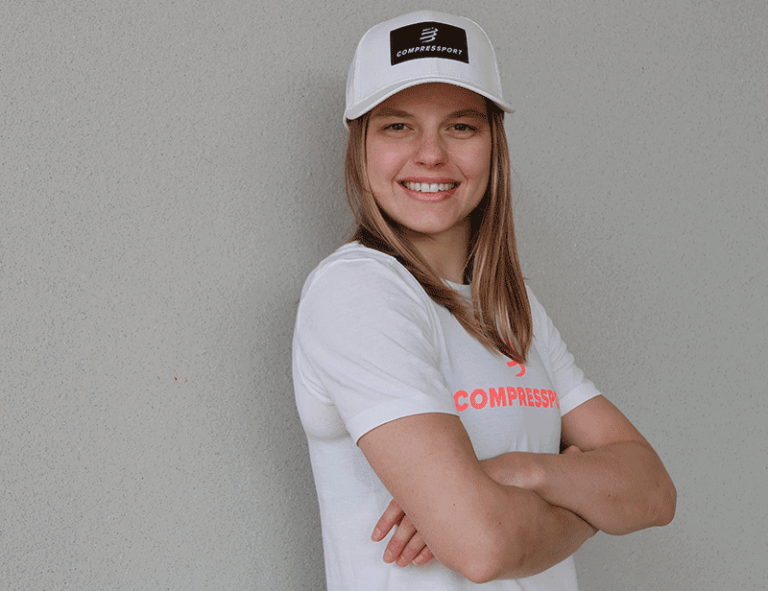
Alanis Siffert is a Swiss professional triathlete. She competes across both Olympic distance and middle-distance formats. She has become a familiar name on the European triathlon circuit. Her racing style blends controlled swim speed, aggressive bike work, and a strong run finish. This profile provides context. It places recent performances in a career framework. It highlights race results and athletic development with an informed view.
Historic results
Siffert’s race ledger features steady progression. Early national-level podiums marked her entrance to elite racing. She then moved into continental events. On the European Cup and World Triathlon stage she posted consistent top finishes. Those results gave her ranking points. They also drew attention from teams and coaches across the triathlon community.
Across middle-distance races she showed adaptability. She recorded strong bike splits in long-course competition. Her run times often improved in the second half of seasons. That pattern suggested targeted endurance blocks and smart periodization. The record includes national championship placings. It also includes multiple top-20 and top-10 finishes at international events. Those performances confirmed her ability to score in a range of race formats.
The athlete’s career
Siffert moved through the junior ranks with methodical development. Her transition to professional status was planned. She prioritized technical swim work and bike aerodynamics early on. Her training balanced volume with high-intensity sessions. Strength work and run-specific intervals became staples. A focus on recovery and sports science underpins her preparation.
Racing strategy is a core strength. She controls efforts in the swim to stay in contention. On the bike she applies measured power to bridge gaps and create opportunities. Her run execution favors negative splits. She often closes races strongly. Coaches note her tactical awareness. Race craft and transition speed are part of the toolkit. Support from a structured coaching team and targeted season planning help her peak at key events.
Off the race course she invests in data-driven development. She uses power metrics and lactate testing to guide training. Nutritional planning and heat adaptation are regular elements in her camp. She also competes in a mix of short-course and middle-distance events to sharpen different physiological systems. That variety yields race fitness and sharpens decision-making under pressure.
Strengths and style
The triathlete displays balanced abilities across three disciplines. Swim technique keeps her in favorable packs. Bike efficiency and an aero position reduce energy loss. Her run leg shows resilience under fatigue. Sprint speed and steady pacing help her navigate final kilometers. These features suit mixed-course calendars and championship racing.
She adapts race plans to terrain and field depth. Against strong pelotons she rides conservatively and relies on run capacity. In smaller fields she can take initiative on the bike. That versatility makes her a competitive choice for national teams and international starts. It also makes her results worth monitoring each season.
Training and race planning
Preparation follows clear periodization. Base blocks emphasize endurance and technique. Build phases add threshold and VO2 max work. Taper phases focus on freshness and race-specific sharpening. Recovery sessions and cross training feature regularly. These elements help sustain performance across a long season.
Her calendar balances points-seeking races with targeted peaks. She aims for events that align with strengths. That approach maximizes podium potential and ranking impact. It also supports a measured progression toward higher-tier competitions. Consistent execution and smart scheduling are central to long-term success.
In conclusion, Alanis Siffert represents a modern Swiss pro with a balanced skill set. Her historic results show steady upward movement. Her career path reflects deliberate development and tactical maturity. As a triathlon journalist I see an athlete who combines data-led training with race intelligence. Expect continued refinement, strategic race selection, and stronger results as she gains experience on the international stage.
For readers tracking rising pros, her name is worth following. Her combination of technical skill and consistent race execution positions her well. Future seasons should clarify her place among long-course specialists or short-course contenders. Either path could yield notable achievements for this disciplined athlete.