
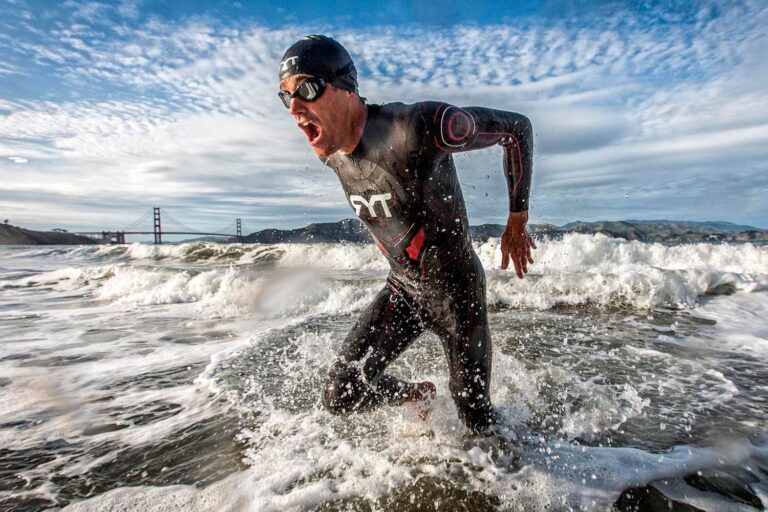
Frederic Funk is a German triathlete known within the European triathlon circuit for steady progression across draft-legal and non-drafting formats. As a triathlon journalist with years covering Continental Cups and long-course races, I have followed his evolution from junior fields into elite starts. His profile blends consistent racecraft with a measured move into longer distances, making him relevant to both ITU-style racing and half-Ironman events.
This profile summarizes Funk’s historic results and maps his career trajectory, including training emphasis and competitive posture. The aim is to provide a clear, factual account of his performances, podium trends and the technical attributes that define his racing across swim, bike and run phases.
Historic results
Funk’s race record shows recurrent top-20 and top-10 placings at regional and continental triathlon competitions. Over multiple seasons he has posted solid results in European Cup races and national events, often finishing among the leading German contingent. His record reflects a reliability in qualifying heats and a capacity to race consistently across varied courses and weather conditions.
Across long-course and middle-distance starts, Funk has recorded competitive half-Ironman finishes and has been noted for closing races strongly on the run. While not yet a dominant presence at marquee Ironman events, his results suggest a rider-run balance that suits transitional long-course races and select city triathlons. Analysts tracking race calendars list him as a frequent contender for national podiums and as a smart points scorer in league formats.
Race highlights
Key highlights in Funk’s list include several national-level podiums and standout performances at Continental Cup events where he secured valuable top-15 placings against deeper international fields. These outcomes underline his competence in pack dynamics and his ability to manage race pace across swim-bike-run splits. Observers often point to specific races where tactical bike moves created decisive gaps heading into the run.
His half-iron distance outings have demonstrated stamina and pacing maturity, with performances that indicate careful training periodization. On courses that reward steady bike watts and conservative early runs, Funk tends to move forward in the second half of races. This pattern has produced several strong finishes and earned him recognition among domestic coaches and team managers.
Performance trends
Performance data suggests incremental improvement year on year, with time gains most visible on the bike and run legs. Swim consistency has been a core asset, allowing him to enter the bike in favorable position. Over time, his bike power numbers and transition efficiency have improved, which in turn supports better placing on non-drafting courses.
Season planning frequently features targeted peaks for national championships and selected European fixtures. This approach indicates strategic calendar management where race selection emphasizes ranking points and development against varied fields. In short, Funk’s results present a trajectory of steady gains rather than abrupt breakthroughs.
Athlete career
Funk began in regional triathlon development programs and progressed through German junior categories into elite competition. His early career emphasized technical swim training and race skills for pack racing, which remained foundational as he transitioned to senior starts. Coaches note his methodical training ethic and focus on marginal gains across all three disciplines.
As he advanced, Funk adopted a dual emphasis: maintain competitive sharpness in short-course events while gradually increasing aerobic base for middle-distance starts. This dual pathway is common among athletes seeking longevity and versatility. It allows him to remain competitive in national series while preparing for longer races that require different pacing and nutrition strategies.
Early development
During his formative years, Funk benefited from structured swim programs and local cycling clubs that provided race exposure and tactical education. Early exposure to draft-legal racing taught pack management and transition technique. Those skills translated well when he entered higher-level races, where positioning and swim exits often dictate race opportunity.
Support from regional coaches and periodic camps strengthened his aerobic foundation and race IQ. This period of concentrated development produced the reliable swim-bike-run execution seen in his historic results. For many athletes like Funk, the early balance between volume and intensity sets the stage for consistent elite performances.
Training and focus
Funk’s current training emphasizes controlled increase in volume and targeted intensity blocks, blending threshold bike work with pace-specific run sessions. Strength and conditioning and recovery protocols play a key role in sustaining performance across a full race calendar. His program reflects modern periodization principles aimed at peak performance for priority events.
Race preparation also prioritizes course-specific sessions and simulation of race nutrition under load. This practical focus reduces variability on race day and supports consistent execution across formats. As he continues to refine power distribution and run durability, his capacity to contest longer events will likely strengthen.
In conclusion, Frederic Funk represents a professional archetype of steady development within European triathlon. His race history and career choices show a pragmatic athlete who builds toward targeted goals while maintaining versatility across swim, bike and run. For followers of German triathlon and selectors watching emerging pros, Funk remains a rider to monitor for further gains.
Looking ahead, his progression will depend on continued improvements in bike power and sustained run pacing, alongside smart race selection. With deliberate planning and incremental performance gains, Funk is positioned to convert consistent results into higher-profile podiums in the seasons to come.