
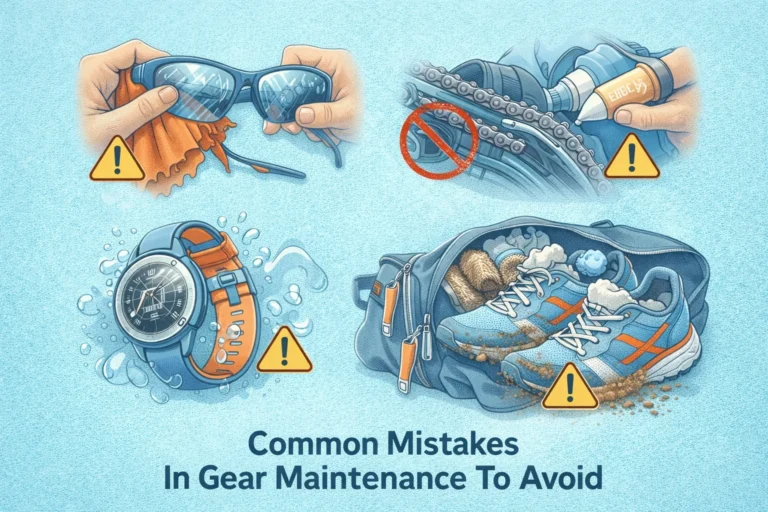
As a triathlon journalist with years on the road and at race venues, I watch equipment fail when it matters most. This article points out the most common gear maintenance mistakes and gives clear, practical fixes. Read on to learn how to keep your kit race-ready and reliable.
Common gear maintenance mistakes
Many triathletes focus on training and race plans. They forget that gear upkeep is part of performance. Small mistakes add up. They cause slow pit times, flat tires, and ruined wetsuits.
When you know common gear maintenance mistakes, you can stop making them. This saves money and keeps you safer on the course. You do not need complex tools to fix many problems.
Below I list the top errors I see at races and in workshops. I also explain simple steps to correct each one. Use these tips to build good habits before your next race.
Here are the most frequent failures and how to avoid them. Each point is a direct, actionable step you can take this week.
Before the list, note that the items below apply to bikes, wetsuits, running shoes, and transition gear. The list groups fixes by gear type and by the action you should take.
- Neglecting routine inspections and checks
- Using wrong cleaning methods for fragile items
- Poor storage that causes mold or damage
- Over-lubricating or using the wrong lubricant
- Riding with loose bolts or worn parts
Skipping regular inspections
Not checking your gear often is one of the biggest gear maintenance mistakes. Parts wear slowly. You do not always see the change. A quick inspection can catch issues early. This prevents failures on race day.
Inspections are simple. Make a short checklist and follow it after every long workout. Check for wear, loose hardware, and odd noises. When you do this, problems become small repairs rather than race-ending failures.
Spend time on the items that matter most. Your bike frame, brakes, tires, and drive train need regular checks. Wetsuits, goggles, and running shoes also need quick reviews after heavy use.
Use the list below to start an inspection habit. Read each item and practice it until it becomes part of your routine.
Quick inspection checklist:
- Frame and fork: look for cracks or dents.
- Tires: check for cuts, embedded glass, and even wear.
- Brakes: squeeze and listen for rubbing or soft lever feel.
- Drivetrain: check chain stretch, cassette wear, and shifting smoothness.
- Helmet: inspect straps and shell for cracks.
Improper cleaning methods
Cleaning your gear is good. Using the wrong methods can ruin it. That is a common gear maintenance mistake. Harsh cleaners, hot water, and rough brushes damage materials. This is true for bikes and wetsuits alike.
Wetsuits need gentle care. Rinsing with fresh water after each use helps stop salt and chlorine from breaking down neoprene. For deeper cleaning, use a mild soap designed for neoprene. Follow the instructions and rinse well.
As you learn gear maintenance techniques, remember that material matters. Metal, rubber, leather, and synthetic fabrics each need different care. Treat each item according to its material to extend life and performance.
Below is a clear do and don’t list to protect your gear when you clean it.
- Do rinse wetsuits and goggles in fresh water after use.
- Do use a mild soap for deep cleaning of neoprene and fabrics.
- Don’t use bleach, hot water, or strong detergents on neoprene.
- Do wipe and dry your bike frame with a soft cloth after washing.
- Don’t blast bearings and suspension parts with a pressure washer.
Poor storage and drying
Storing gear in damp or hot places causes damage fast. Mold grows in wet neoprene and fabrics. Heat warps plastics and weakens adhesives. Many triathletes make this mistake and pay later.
Dry gear fully before storing. Hang wet items in a shaded, airy spot. For wetsuits, rinse then hang inside out first, then right side out when the inside is dry. This method reduces odor and decay.
When you store gear long term, use breathable bags or open racks. Avoid sealed plastic that traps moisture. For shoes, rotate pairs and allow them to dry between uses to keep foam and glue healthy.
If you need to store running shoes for months, take care. Clean dirt and let them dry completely. Then store them in a ventilated space. This preserves shape and cushioning.
Below are storage tips to protect your kit:
- Store wetsuits on wide hangers to avoid creases.
- Keep bikes indoors or in a covered, ventilated area.
- Store helmets on flat surfaces, not hanging by straps for long periods.
- Do not store shoes in closed boxes while damp; they can grow mold.
- For long breaks, consider a light silica pack to control moisture.
Wrong lubrication and parts care
Using the wrong lubricant or too much of it is a regular gear maintenance mistakes source. Too much lube attracts dirt. The wrong type can strip seals or gum up moving parts. Use product guidance for the part you are servicing.
For your bike, focus on the chain and pivot points. Clean the chain before any lubrication. Apply lubricant sparingly, wipe off excess, and cycle the gears to let it penetrate. This keeps shifting smooth and reduces wear.
If you need deeper guidance, follow basic bike maintenance routines. Good bike maintenance tips include cleaning the drivetrain, checking chain stretch, and inspecting brake pads. These steps are small but very effective.
Below is a short list of lubrication do’s and don’ts that you can apply today.
- Do clean the chain before you lube it.
- Do use a dry lube in dusty conditions and wet lube in wet conditions.
- Don’t over-apply lube; less is often better.
- Do inspect pivot bolts and apply a small drop of oil if they squeak.
- Don’t use household oils on precision parts like derailleur pulleys.
Ignoring signs of wear

Wear is often subtle. A small cut on a tire or thinning tread on a shoe can lead to failure. Ignoring wear is a key gear maintenance mistakes problem. It affects safety and performance.
Learn to spot normal wear versus urgent damage. A cracked helmet shell or a split seam on a wetsuit needs attention now. A hedge of worn cleat bolts can pull out during a race. Check these parts often.
Use simple tools to measure wear. For chains, use a chain checker. For shoes, feel the midsole and look for uneven wear on the outsole. These checks take minutes and save hours of trouble later.
Here is a short list of wear signals to watch closely.
- Chain stretch beyond recommended limits.
- Cracks in tires or bulges in sidewalls.
- Heavily worn brake pads or glazing on brake surfaces.
- Splits or thinning in wetsuit seams and neoprene.
- Loss of cushioning or uneven wear in running shoes.
Transition and race prep mistakes
Races expose all gear issues. Transition area problems are often an outcome of poor care. A sticky zipper, a dead watch, or damp shoes can slow you down. These small failures affect finishing times.
Practice race setup and inspect items before you pack. Put your helmet on the bike correctly and clip in shoes when needed. Test electronics and replace batteries or charge devices the night before.
Keep a short pre-race checklist for transition. Include items like spare tube, pump, nutrition, and a dry towel. Store items in a known place so you can find them quickly under stress.
Below are race prep items to check and actions to take in the hours before a race.
- Inflate tires to the right pressure and check for cuts.
- Test your race watch and GPS for battery life.
- Check wetsuit zippers and apply a light lubricant if sticky.
- Prepare two pairs of running socks and store one pair dry.
- Pack a small tool kit and a spare tube for quick repairs.
How to adopt better gear habits
Fixing gear maintenance mistakes is about habit, not luck. Make short routines part of training. Spend ten minutes after each ride or swim to check key items. Small habits prevent big problems.
Use a calendar reminder for deeper maintenance tasks like chain replacement or wetsuit inspection. Track hours on shoes and replace them when performance drops. These small steps keep your kit ready for peak efforts.
Learn from others. Join a local club or read guides from trusted sources. Ask tech staff at races for tips. The triathlon community shares many useful routines and gear maintenance techniques that can save you time and money.
Keep a simple log. Note when you replaced parts, cleaned gear, or tightened bolts. The log helps you spot patterns and plan ahead before something breaks.
Key Takeaways
Getting gear care right is a big part of race prep. Avoiding the most common gear maintenance mistakes keeps you safer and faster. Regular inspections, proper cleaning, correct storage, and the right lubricants make the biggest difference.
Start small. Build short habits after every session, and add deeper checks every few weeks. Use the checklists in this article to guide your steps. When in doubt, replace worn parts before they fail.
As a triathlon journalist, I have seen how prepared athletes perform with calm confidence. Gear that works reliably lets you focus on the race. Make maintenance part of your training plan and enjoy equipment that supports your best work.
Take action today: set a simple inspection routine, clean and dry key items, and note any worn parts. Those steps will cut the most common mistakes and keep your gear race-ready.