
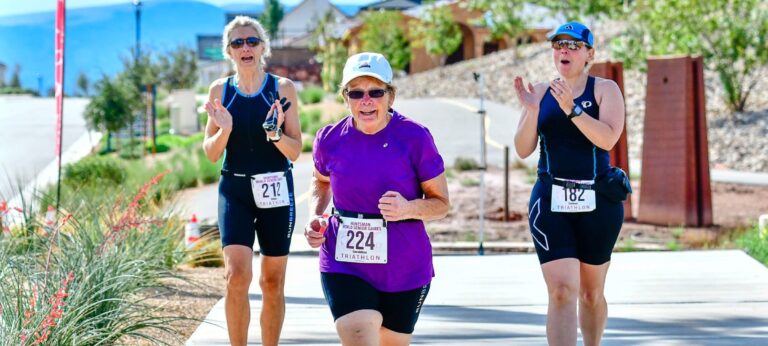
As a long-time triathlon journalist I have followed the growth of age-group racing for women. The rise of masters events shows that endurance sport is not limited by years. This guide gathers evidence-based practice and race-tested tips for female athletes in later decades.
The paragraphs that follow focus on training, event preparation, and smart race-day decisions. Each section targets practical measures. Expect clear steps you can apply to your season plan.
Why multisport suits older women
Multisport training balances load across three disciplines. That reduces repetitive stress on any single joint. Cross-training increases aerobic capacity while limiting cumulative impact.
Competing in age-group fields builds community and measurable goals. Races offer pacing benchmarks and structured progression. That social and performance framework helps long-term adherence to fitness.
Designing a safe training plan
Start with a base of consistent aerobic work. Aim for steady-duration sessions in each sport rather than high weekly mileage spikes. This approach lowers injury risk and improves endurance steadily.
Incorporate progressive overload using modest weekly increases. Use interval workouts to raise threshold without excessive volume. Include planned recovery weeks and a taper before key events.
Personalize intensity around health status and medication. Consider periodic assessments with a coach or sports physician. Monitoring sleep and perceived exertion helps adjust the plan for sustainable gains.
Swimming: technique and open water
Stroke efficiency yields the largest performance gains in the pool. Focus on body position and a long, controlled pull. Short technique sessions each week are more effective than occasional long drills.
Open water skills are essential for race-day calm. Practice sighting, mass-start positioning, and drafting in group swims. Familiarity with wetsuit entry and exit reduces time in the transition area.
Cycling: bike fit and pacing
A proper bike fit is critical for comfort and power on the bike leg. Small changes in saddle height or reach reduce knee and lower back strain. Use a professional fitter if pain or numbness appears.
Work on cadence and sustainable power. For older athletes, maintaining a slightly higher cadence preserves muscular endurance. Integrate tempo rides and short threshold efforts to simulate race demands.
Running and joint-friendly options
Running form and footwear choices affect longevity. Adopt a cadence and stride that minimize ground impact. Rotate shoes and consider gait analysis if recurring pain appears.
Include run-walk strategies or shorter run segments during base training. These options preserve aerobic stimulus while protecting joints. Progress gradually when increasing continuous run time.
Strength training and mobility
Strength work is a cornerstone for masters competitors. Focus on functional moves for the hips, glutes, and core. Two sessions per week maintain muscle mass and reduce injury risk.
Mobility and balance drills help with stability in transitions and on technical bike sections. Simple resistance and proprioception exercises support joint resilience. Recovery strategies should follow these sessions to maximize adaptation.
Recovery, nutrition and health monitoring
Recovery is not optional for age-group athletes. Prioritize sleep, scheduled rest days, and active recovery sessions. Use recovery modalities that fit your routine, such as light cycling or mobility work.
Nutrition for older athletes focuses on protein timing, calcium and vitamin D, and anti-inflammatory foods. Hydration and electrolyte balance matter in longer events. Consider lab testing to check iron and hormone levels when fatigue is persistent.
Race-day tactics and transitions
Plan race pacing with a conservative start. Many masters competitors gain places in the bike and run by negative splitting. Practice transitions to limit wasted seconds in the transition area.
Gear choices can influence performance. A comfortable wetsuit, aerodynamically sensible helmet, and familiar footwear reduce stress. Race rehearsals build confidence and reduce pre-race anxiety.
Injury prevention and when to seek help
Early management of pain prevents progression to chronic problems. Address issues with a physiotherapist experienced in endurance athletes. Modify training while healing rather than pushing through sharp or persistent pain.
Regular screening for cardiovascular risk factors is prudent for masters competitors. Consult your physician before intensifying training if you have existing health concerns. Timely medical input keeps the focus on sustainable performance.
Building a season plan
Structure the year with clear blocks: base, build, race, and transition. Allocate specific goals for each block, such as improving swim technique or increasing time at threshold. Break larger goals into measurable microcycles.
Include key tune-up races to practice pacing and logistics. Use data from these events to refine your plan. Maintain flexibility to adjust targets according to health and life commitments.
Mentorship and peer groups accelerate learning. Joining a masters squad or age-group clinic provides technical feedback and accountability. Shared experience helps refine tactics and training choices.
Conclusion
Older women bring experience and resilience to triathlon. With tailored training, smart recovery, and race-savvy tactics, strong performances are achievable. Focus on sustainable progress and enjoy the community that comes with the sport.
Adopt practices that protect long-term health while improving speed. Small, consistent changes deliver the biggest returns. Stay curious, stay consistent, and race with confidence.