
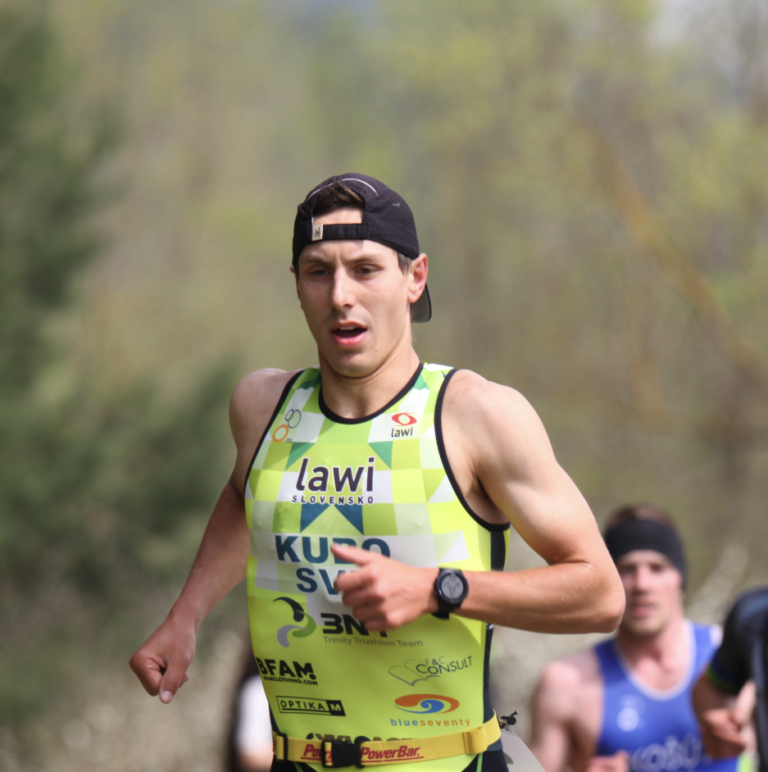
Ondrej Kubo is a name that has circulated in European triathlon circles as a disciplined competitor with versatility across short and long course formats. As a triathlon journalist with a focus on athlete development and race analytics, I track riders who combine consistent race craft with measurable performance gains in swim, bike and run segments. Kubo’s approach to season planning and race execution places him among athletes who prioritize transitions, pacing and data-driven training.
This profile summarizes Kubo’s competitive record and career trajectory, using race results, split patterns and coaching influences to provide a professional overview. The intent is to present a concise but comprehensive portrait useful to coaches, race directors and triathlon fans who follow progression in the sport’s national and continental ranks.
Historic results
Kubo’s competitive history shows a string of reliable finishes across national championships and regional triathlon circuits. He has collected podiums at national-level events and produced top finishes at middle-distance races, reflecting balanced capabilities in endurance and threshold efforts. Race-day execution often places him within striking distance of podiums when the bike leg is neutral and transitions are quick.
Race data indicates Kubo tends to produce strong bike splits relative to his swim group, allowing him to make gains in the second discipline and set up run performances. His results in ironman 70.3 and long-course events show a capacity to manage sustained intensity while maintaining form in the final run. These historic results underline strengths in pacing strategy and race endurance.
Key races
Key results include multiple national championship podiums and consistent top-20 placements in continental cups and regional long-distance events. Such performances demonstrate adaptability between ITU-style short courses and non-drafting long-course formats. Kubo’s ability to move through swim packs and generate time on the bike has been decisive in several races where small margins determined final placings.
A selection of notable finishes shows repeatable patterns: fast bike splits relative to the field, solid transition efficiency, and resilience on the run. For race analysts, these results form a profile of an athlete who gains by optimizing bike power and pacing rather than relying solely on a superior swim or run leg.
Performance data
Available split analysis highlights consistent swim-to-bike transitions with average transition times that are competitive at the regional level. Power-output data from selected races points to a threshold-focused training model, with sustained normalized power in the mid-range of long-course competitors. Run split trends show steady pacing rather than dramatic negative splits, suggesting an emphasis on endurance and lactate management.
When viewed across seasons, Kubo’s performance metrics indicate gradual improvements in bike FTP, VO2-related run paces and lactate tolerance during high workloads. These incremental gains are typical of athletes who follow periodized training blocks and targeted intensity phases, leading to more consistent race outcomes and fewer late-race drops in form.
Athlete career
Kubo’s career arc reflects progression from junior and regional racing into senior national competition and selective international starts. Early career development focused on technical skills in open-water swimming and bike handling, which laid the foundation for competitive gains in draft-legal and non-draft events. His training history shows measured increases in volume and the introduction of structured interval work under experienced coaching.
Throughout his career, Kubo has worked with coaching teams to refine race strategy, emphasizing transition practice, pacing plans and nutrition protocols for longer races. This applied approach has helped him adapt to varying race scripts, from aggressive short-course starts to controlled long-course pacing where energy management is critical.
Early years
In the formative stages, Kubo focused on technical fundamentals and race experience. Early seasons included national junior events and regional cups where he learned pack riding, drafting tactics and open-water positioning. Those years were essential for developing race IQ and tactical flexibility, both of which serve well in mixed fields and elite starts.
Coaching emphasis in the early phase prioritized swim efficiency and bike handling drills, reducing time lost in congestion and improving his ability to bridge gaps mid-race. The result was a smoother transition into senior racing, with fewer penalties and a stronger baseline of endurance fitness.
Current focus
Recently, Kubo has concentrated on long-term performance planning: periodization that balances base building, threshold development and race-specific sharpening. His current calendar targets a mix of national championships, middle-distance events and selective long-course races to optimize points accumulation and race-day learning. Strength and conditioning, as well as recovery protocols, figure prominently in his regimen to reduce injury risk and sustain performance across a packed season.
On the tactical side, Kubo continues to refine split strategies and nutrition plans to maintain run quality after long bike efforts. Collaboration with a performance coach and sport scientist has produced measurable gains in power endurance and run efficiency, positioning him to contend in fields where marginal improvements determine final standings.
Conclusion
Ondrej Kubo presents as a technically proficient and strategically minded triathlete whose historic results and career choices reflect steady progression. His blend of bike strength, transition efficiency and periodized training makes him a competitive presence across distances. For observers tracking development in European triathlon, Kubo illustrates how methodical training, tactical refinement and data-informed adjustments translate into improved race outcomes.
As his season plans evolve, attention to race selection, pacing strategies and recovery will be central to further advancement. For coaches and talent scouts, Kubo’s profile offers useful insight into an athlete ready to convert national-level success into more consistent continental impact in both short course and long course formats.