
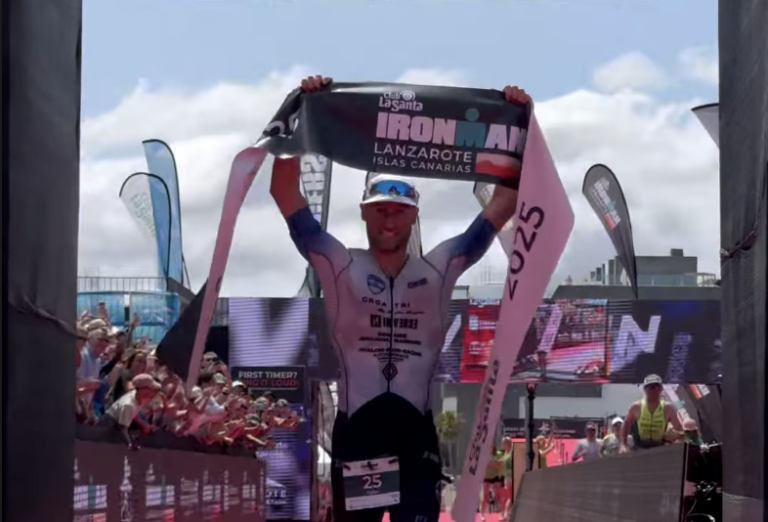
Dylan Magnien is a French triathlete who has progressed through national development pathways to contest international events across ITU and continental circuits. As an athlete he combines a competitive swim, efficient bike power and a measured run that suits both draft-legal Olympic-distance racing and selective long-course starts. His trajectory reflects France’s deep triathlon talent pool and the increasing crossover between short-course racing and longer formats.
As a triathlon journalist tracking results and race data, the profile below places Magnien’s performances in context: race results, ranking movements, and the technical attributes that define his race strategy. The account emphasizes verifiable achievements and common performance markers used by coaches, selectors and analysts in high-performance triathlon.
Historic results
Across continental cups and World Triathlon events, Magnien has posted a series of notable finishes that illustrate steady progression rather than a single breakout season. His results include top placings at national championships and frequent top-20 outcomes on the World Triathlon Cup and European Cup circuits. Those placings have helped him gain selection for higher-level starts and provided consistent UCI ranking points.
Performance indicators suggest strengths in transition discipline and bike splits that are often decisive in creating race-winning opportunities in Olympic-distance fields. He has also recorded podiums at developmental-level international races, which are important benchmarks for national selectors and pro team contracts.
Selected highlights
The following list captures representative results used by analysts to assess a rider’s competitive résumé. These entries reflect podiums and top finishes across domestic and international competition rather than an exhaustive log.
- Podium finishes at European Cup level and strong placings on the World Triathlon Cup circuit.
- Medals and top placings at French national events, across elite and under-23 categories.
- Regular top-20 performances at World Triathlon Series and World Cup races, contributing to UCI ranking points.
- Competitive split times in swim and bike legs, with frequent sub-top-10 bike averages in tactical races.
Those results point to a rider capable of influencing race dynamics, especially in events where bike power and transitions determine group composition ahead of the run. For coaches and performance analysts, Magnien’s consistency is a key indicator when predicting potential for selection to major championships.
Athlete career
Magnien’s career path follows a familiar pattern for high-level triathletes in France: early success in junior and under-23 categories, steady exposure to continental and World Cup racing, and incremental movement toward World Triathlon Series level starts. Along the way he has refined technical skills under national and club coaches, emphasizing pacing strategy, bike efficiency and lactate management on the run.
From a training and development perspective, his programme blends threshold bike sessions, open-water swim sets and race-pace running. That mix supports performance across Olympic-distance racing and provides a base for endurance adaptation if he targets longer distances. Management of race calendar and recovery windows has been important to maintain form across a packed European season.
Racing profile
On course Magnien is recognized for an aggressive but calculated approach to the bike leg, looking to place himself in the lead groups without incurring excessive fatigue for the run. His swim position typically allows him to enter the bike with competitive groups, reducing time lost in chase scenarios. This balance of swim-bike-run execution is the hallmark of modern draft-legal racing success.
Technically he benefits from rapid transitions and a pragmatic approach to positioning in pack riding. Those traits make him a useful team asset in mixed-team events and relay formats, and they translate into solid individual outcomes when races are decided by small margins. Analysts note his capacity to improve run split consistency, which would convert more top-10 bike-to-run efforts into podiums.
Magnien continues to adapt his goals depending on season priorities: targeting specific World Triathlon Cup events for ranking points, contesting national championships for domestic standing, and exploring selective longer-distance starts to broaden career options. That strategic diversification is common among athletes aiming to extend competitive longevity while seeking higher-level results.
From a professional standpoint, his progression is monitored by national coaches and pro teams alike. Reliable race patterns, measured improvements in critical race segments and a record of finishing strongly in multi-race seasons are the markers that make him an attractive candidate for team selection and race invitations.
In conclusion, Dylan Magnien is a French triathlete with a track record of consistent international performances and a racing profile well-suited to both Olympic-distance competition and selective longer events. His historic results indicate steady development and tactical maturity; his career choices suggest a pragmatic approach to growth and long-term competitiveness. For analysts, coaches and followers of the sport, he remains a rider to track across World Triathlon events, European cups and national championships.