
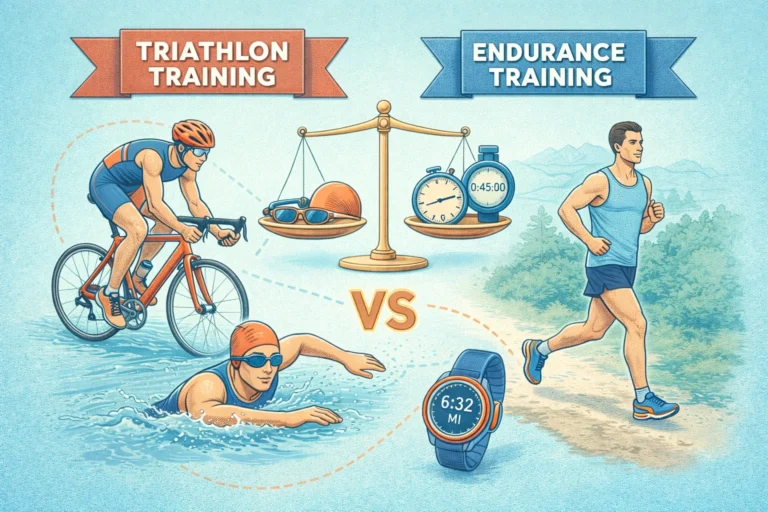
Triathlon vs traditional training is a common question for serious athletes and busy people who want results. This article explains the real differences, the gear choices that matter, and how to pick or buy training tools and tech. If you want to improve performance and choose the right products, this guide helps you compare both approaches clearly and confidently.
We cover physiology, weekly structure, sample weeks for different levels, and product considerations. You will see how to create training plan that fits your life and goals. Read on to learn practical steps and commercial guidance for buying training gear and software.
Triathlon vs traditional training: core differences
Triathlon training blends three sports: swim, bike, and run. That mix changes how you schedule volume and intensity. In contrast, traditional endurance training usually focuses on one sport such as running or cycling. Each path has clear trade-offs. You will feel those when you change focus or increase volume.
Triathletes must balance time, recovery, and skill practice. That balance forces more frequent, shorter sessions in each discipline. Traditional athletes can focus deeply on sport-specific adaptations. That focus can speed gains in a single discipline more directly than juggling three sports.
Training stresses and injury risks differ too. Triathlon spreads load across muscle groups, which can lower some risks. But more sessions and multi-discipline transitions add complexity. A runner who switches to triathlon must learn swim technique and cycling handling, while keeping running fitness safe.
This section highlights why choices matter when you shop. Equipment for triathlon feels different than gear for single-sport endurance. Your buying decisions should match the plan you follow and the goals you set.
Physiology and performance priorities
Understanding the body response helps you pick the right plan. Triathlon training aims for well-rounded aerobic fitness, smooth technique across three sports, and race-specific pacing. Traditional endurance training often pushes sport-specific thresholds more aggressively. That leads to faster gains in one discipline but less overall versatility.
The energy systems involved overlap, but the emphasis varies. Triathlon places a steady aerobic demand across long efforts and repeated sessions. Traditional endurance training may focus more often on tempo, threshold, or VO2max sessions for a single sport. Those choices change how fast you adapt and which body systems get stronger.
Muscle use and recovery patterns matter. Triathletes need muscular endurance in the legs for biking and running and upper-body strength for swimming. Traditional endurance athletes may concentrate adaptations in the primary muscles of one sport. Recovery strategies must match that profile to avoid overuse injuries.
Knowing these differences helps when you choose tools and tech. For example, a triathlete may value a turbo trainer with quick setup and swim gear storage. A single-sport runner might prioritize a lightweight GPS watch with advanced running metrics. Think about how the physiology shapes your gear needs before you spend money.
Structure and scheduling for real life

Creating a useful weekly plan means matching your available hours to your goals. Triathlon training often uses more sessions with shorter average duration. Traditional endurance plans may use fewer sessions but each one can be longer or more intense. Both approaches need clear progression and recovery days.
Below is a short guide to building weekly structure for each style. The list shows typical session types and purpose. It will help you decide which training program suits your calendar and budget.
- Triathlon week: swim technique, short bike intervals, brick sessions (bike to run), one long aerobic ride, and an easy recovery run.
- Traditional endurance week: core intervals or tempo for your main sport, a long endurance session, and active recovery plus mobility work.
- Cross-training options: strength sessions two times per week and mobility work to reduce injury risk.
When you plan, include realistic time windows and a simple progression. If you need sample structure, you can search for triathlon training plans or choose best training plans beginners for an easy start. Planning will guide product choices, like whether to buy a home trainer or a premium running watch.
Beginner sample week
Below is a friendly sample week for a new triathlete or an athlete shifting from single-sport work. The goal is to grow fitness, build habit, and limit fatigue. This model gives clear priorities and steady progression.
Use the list as a template. Read it, then adapt session lengths to fit your current fitness and schedule. If you want structure, pick a plan labeled best training plans beginners to get coached progress and reduced guesswork.
- Monday: Swim technique 30 minutes, followed by 10 minutes of dryland mobility.
- Tuesday: Bike easy 45 minutes with cadence work, then short strength session 20 minutes.
- Wednesday: Run 30-minute easy run with form drills and mobility after.
- Thursday: Swim intervals focusing on technique for 35 minutes.
- Friday: Rest or active recovery walk and stretching.
- Saturday: Longer bike 60-90 minutes at steady aerobic pace.
- Sunday: Brick session: bike 45 minutes then run 20 minutes at easy pace.
Adapting this sample week into a plan is straightforward. You can create training plan that grows volume slowly, such as increasing bike time by 10 percent per week. For beginners, consistency matters more than intensity at first.
Tools, tech, and gear choices
Your training target will determine which gear gives the best return on investment. Triathletes often need swim gear, a reliable bike, and running shoes. They may also buy a smart trainer for indoor biking, a pool tempo trainer, or multisport watches. Single-sport athletes might invest more deeply in one category.
Choosing tech depends on how you train and how you analyze progress. Many athletes use training platforms and software to track workouts, measure power, and adjust training load. If you plan to run detailed analysis or video review, think about product needs beyond footwear and bikes.
For athletes who store and analyze data on a laptop, certain features matter. Look for a machine with solid CPU performance, long battery life for field use, and a screen that is easy to read when comparing training files. That helps when you export files from devices and run training analysis software.
Below is a practical list of gear considerations. Read it and match items to the kind of training you will do most often. This will help you shop smarter and avoid buying equipment you won’t use.
- Core bike gear: a reliable bike fit and a smart trainer if you train indoors often.
- Swim gear: goggles, a wetsuit for open water, and pool tools for technique work.
- Run gear: shoes matched to your gait and cushioning need, plus a treadmill if you train indoors.
- Tech and analysis: GPS watch, heart rate monitor, power meter for cycling, and a laptop or tablet with good battery life and enough storage.
Programming and progression for all levels
Program design matters for results. Beginners need clear volume build and technique focus. Intermediate athletes require structured intervals and detailed recovery. Advanced triathletes must manage fine-tuned block periodization and race-specific practice. Each level needs different detail and product needs.
If you are starting, look for best training plans beginners that emphasize skill, consistency, and small volume increases. An intermediate athlete should hunt for intermediate training tips that raise threshold and race pace while protecting recovery. Advanced athletes will benefit from advanced triathlon training that uses targeted intensity and detailed tapering.
Below are three short programming principles you can use now. They are actionable and help you know when to buy gear or software. Use them to improve training decisions and spending priorities.
- Progress slowly: increase total weekly training volume by around 10 percent per week for most athletes to reduce injury risk.
- Prioritize quality: replace some long easy sessions with focused intervals when you want faster gains in a specific discipline.
- Monitor recovery: use simple markers like sleep, resting heart rate, and perceived fatigue to avoid overtraining.
When you understand how progression works, you can better decide whether to invest in coaching, a platform subscription, or new hardware. The right purchase supports your training level and long-term goals.
Choosing plans and services
There are many programs marketed to triathletes and endurance athletes. The best picks match your time, budget, and technical needs. For starters, triathlon training plans that list session times and clear progressions are smart. If you have a coach or an app, check whether the program adapts to missed workouts.
Beginners can follow structured templates. Search terms like best training plans beginners often surface programs with clear weekly layouts. Intermediate athletes should look for programs that offer intermediate training tips and adjustable intensity. Advanced athletes need options labeled advanced triathlon training with pacing, power targets, and race simulation sessions.
Choosing a coach or plan also affects the gear you buy. For example, if a plan includes indoor interval bike work, a smart trainer becomes more valuable. If a program uses advanced metrics, you will need accurate devices and a computer to manage files. Always match the plan demands to the equipment you choose.
If you are unsure how to start, decide on a short trial period with a plan and measure progress. Small investments like a midrange GPS watch or a solid pair of goggles give big returns for most athletes. Then scale equipment purchases as needs become clear.
Key Takeaways
Triathlon vs traditional training frames how you schedule sessions, buy gear, and set goals. Triathlon spreads load across three sports and needs balanced planning. Traditional endurance training concentrates on one sport and can drive faster gains in that area.
Choose plans that match your time, level, and desired results. Beginners should focus on consistency and skill development. Intermediate athletes benefit from intermediate training tips that raise intensity safely. Advanced athletes need precise sessions and may follow advanced triathlon training strategies.
Shop smart by aligning purchases with the plan you use. Prioritize items that impact training most: a proper bike fit, good running shoes, swim essentials, and reliable tracking tech. If you store and analyze data, pick a laptop with solid performance and battery life that supports your tools.
Finally, be patient and consistent. Use structured triathlon training plans or single-sport plans depending on your goal. With the right plan and the right equipment, you will progress steadily and enjoy the process.