
Triathlon athletes need gear that works hard and stays simple. This article covers essential triathlonhealth gear for swim, bike, run, tech, nutrition, and race day. I explain what to buy, what to skip, how to save money, and how to prepare for race morning. Read on to find clear advice, honest product priorities, and a practical checklist you can use right away.
Essential triathlonhealth gear overview
Choosing the right kit starts with a small group of items. These are the tools you will use every training session and race. They affect safety, speed, and comfort. Focus on essentials first, then add specialty items as you gain experience.
Below I list the key categories that matter most. Each category includes items that will make the biggest difference for most athletes. I write from experience as a triathlon journalist and athlete, so these picks favor reliability and value.
Before buying anything, check fit and return policies for the brands you prefer. If possible, test gear in training, not on race day. The list that follows is a practical starting point for building your kit.
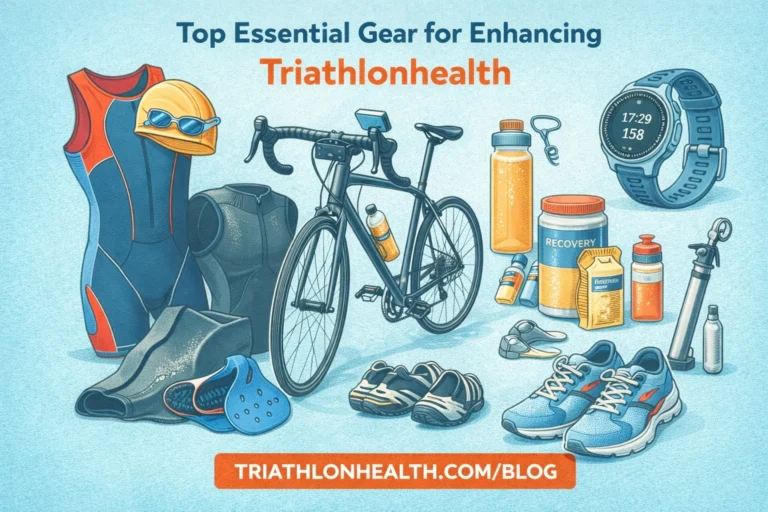
Here is a concise set of core essentials to get you started. Use this as a mental checklist while you shop or prepare for a race.
- Swim: Wetsuit, goggles, swim cap
- Bike: Road or triathlon bike, helmet, pedals, shoes, repair kit
- Run: Running shoes, race belt, lightweight clothing
- Tech: GPS watch, bike computer, heart rate monitor
- Nutrition & recovery: Fuel, hydration system, foam roller
- Race essentials: Transition towel, sunscreen, safety pins, spare tube
Swim gear essentials

The swim leg is the first contact point with open water and the gear you choose matters. A good swim kit reduces stress and lets you focus on your pace. Start with the basics that improve comfort and sighting ability.
A wetsuit is often the largest single purchase for open-water triathletes. It adds buoyancy, warmth, and can improve body position. If you race in cooler water or want confidence in open water, prioritize a wetsuit that fits well across the chest and shoulders.
Goggles are next in line. Choose a pair with a snug but not painful seal, and consider mirrored lenses for bright conditions. Keep a backup pair in your transition bag. A simple anti-fog treatment or rinsing method will keep sight clear during the race.
Below is a short list of swim items you should own, and why each matters. Read the notes before you pick a model.
- Wetsuit: Fit is key, try multiple sizes. If you want detailed comparisons, a triathlonhealth wetsuit comparison can help you weigh buoyancy, flexibility, and price.
- Goggles: Comfortable seal, lens type for light conditions, and strap options.
- Swim cap: Race cap and a silicone training cap for warmth.
- Earplugs or nose clip: Optional, for athletes who struggle with water in the ears or nose.
- Warm-up gear: A cheap neoprene top or booties if the water is cold.
Bike gear essentials
The bike leg is where many races are won or lost. Your bike should be safe, comfortable, and efficient. Don’t buy the fanciest frame first. Instead, focus on a bike that fits you and a setup that you can maintain.
A helmet that fits well and meets safety standards is non-negotiable. Aerodynamic helmets can save seconds or minutes, but fit and ventilation should guide your choice first. Always replace a helmet after a crash, even if damage seems minor.
Painful pedal position can ruin a race, so shoe and pedal choice matter. If you are new, consider clipless pedals that match common road shoes. Get cleat position checked or have a bike shop set them up. Small adjustments reduce knee pain and improve power transfer.
Here is a focused list of bike essentials, with a short lead-in to explain the priority of each item.
- Bike: Fit first, the right geometry for your event (road or tri bike).
- Helmet: Certified, comfortable, and suited to the climate of your race.
- Shoes and pedals: Matched system, cleat alignment checked professionally.
- Repair kit: Spare tube, CO2 or pump, tire levers, multitool.
- Hydration: Mounted bottles or hydration system for your frame.
Run gear essentials
The run leg is the final test and often where comfort matters most. A comfortable runner is a faster runner. Start with good shoes and build around them. Replace shoes regularly to prevent injury.
Running shoes should match your gait, training volume, and race distance. For triathlon, consider shoes that are light and responsive. If you use speed laces or elastic laces, practice transitions until you can secure shoes quickly and comfortably.
Race clothing affects friction, temperature, and confidence. A tri suit is a popular choice because it works for all three disciplines. If you prefer separates, choose quick-drying shorts and a top designed for triathlon transitions.
Below are the run items I recommend for most triathletes. These choices focus on comfort, function, and transition speed.
- Running shoes: Replace based on mileage and feel, not just appearance.
- Tri suit or race kit: Minimizes transitions and reduces chafing.
- Race belt: Easy bib attachment without pinning clothes.
- Socks: Thin, blister-resistant, or no-show depending on preference.
- Hat or visor: Sun protection and sweat control for hot races.
Electronics and monitoring gear
Good data helps you train smarter and race more confidently. Electronics are not required to enjoy triathlon, but they can improve pacing and race strategy. Choose devices that match how you train and how much data you will actually use.
A GPS watch is one of the most useful tools. It tracks distance, pace, and often heart rate. Make sure the watch battery lasts longer than your longest training day or race. Simplicity beats a cluttered menu during a race.
Bike computers give precise speed and power data. If you train by power, a reliable power meter is a strong investment. Heart rate monitors are a lower-cost option and are helpful for steady training and recovery monitoring.
Below is a short list of electronic items that most triathletes find useful. Think about battery life, durability, and ease of use when you compare models.
- GPS watch: Long battery life, simple interface, and reliable GPS.
- Bike computer or power meter: For riders who train by wattage or need precise pacing.
- Heart rate monitor: Chest strap for accuracy, or optical monitor if you prefer comfort.
- Charging gear: Extra cables and a small power bank for travel.
- Basic phone or timer: For race info, safety, and timing backups.
Nutrition and recovery gear
Fueling and recovery are as important as shoes and bike fit. Your body is the tool that does the work, and treating it right means faster gains and fewer injuries. Start simple and refine as you learn what works for you.
On long rides and races, you will want a predictable source of calories and hydration. Test gels, bars, and drinks during training to avoid surprises on race day. A small hydration plan can keep you productive and less likely to hit a wall.
Recovery gear speeds up the next session. Foam rollers, massage tools, or compression gear can aid recovery after long sessions. You do not need everything, but a few targeted tools help reduce soreness and improve flexibility.
Here is a practical list of nutrition and recovery items many triathletes keep on hand, with notes on why they matter.
- Race nutrition: Gels or chews you have trained with, mixed with water as needed.
- Hydration system: Bottles, electrolyte tablets, or a bladder for long rides.
- Recovery tools: Foam roller, massage ball, or handheld massager.
- Protein or recovery drink: For muscle repair after hard efforts.
- Basic first aid: Blister kit, bandages, and antiseptic for minor issues.
How to choose gear, fit, and budget
Shopping for triathlon gear can be confusing. Start with what you need for your next race distance and work backward. For a sprint, you can be selective and spend less. For Olympic and longer distances, place higher value on fit and durability.
Test everything in training. Even high-end gear will fail you if it does not fit properly. From wetsuits to shoes, use trial runs or demo programs where possible. Many local shops will let you test bikes or fit shoes before you buy.
Budget smart by dividing purchases into tiers. Buy the safety items first. Then buy items that affect performance most, like shoes and a helmet. Save specialty purchases for later. If you have to compromise, choose comfort and fit over flashy features.
When comparing products, use these simple rules to guide decisions. They will help you balance cost, performance, and long-term value.
- Priority one: Safety and fit, such as helmet and shoe size.
- Priority two: Items that affect speed and comfort, like shoes and wetsuit fit.
- Priority three: Electronics and luxury items, which are helpful but not required.
Packing and race day checklist
Race day stress drops when your bag is organized. Create a routine and a single bag for every race. Keep spare items in a small box for travel so you can replace small items quickly between races.
The list below reflects a full race setup for an athlete who wants no surprises. I recommend laying everything out the night before and doing a quick inventory in the morning. Keep a printed note of where each item goes in transition until it becomes habit.
Before the checklist, remember that transitions are where small time losses add up. Practice packing and unpacking your bag to make transitions smooth. Know where your nutrition and spare items live so you do not fumble on race day.
- Swim: Wetsuit, goggles, swim cap, earplugs if used.
- Bike: Helmet, shoes, sunglasses, bike computer, spare tube, pump or CO2, multitool.
- Run: Running shoes, race belt, hat, socks if you use them.
- Nutrition: Race fuel, electrolytes, water bottle, small cash or card.
- Extras: Towel, sunscreen, anti-chafe balm, timing chip, ID.
Common mistakes and how to avoid them
Even experienced athletes make avoidable mistakes. The most common issues come from poor preparation, gear that does not fit, and trying new items on race day. Learn from others and test gear early and often.
One mistake is overbuying fancy gear before basic needs are met. Another is ignoring comfort for small aerodynamic gains. Small discomforts become large problems over miles. Prioritize items that keep you moving and healthy.
Weather and course specifics matter. A wetsuit that works for one lake may be too hot for a coastal swim. Check the forecast, ask race directors about expected conditions, and adjust your kit accordingly. A simple plan tends to beat a complex one on race morning.
To reduce errors, follow these quick tips. They are easy to apply and can prevent most race day surprises.
- Test all gear on training days that match race distance and environment.
- Keep a spare tube, basic tools, and a small first aid kit in your transition bag.
- Practice transitions until you can set up and run them under pressure.
Buying recommendations and value picks
Value matters more than brand. A mid-range item that fits well will usually outperform a high-end item that does not fit. Seek models with good reviews, clear warranty terms, and accessible service options.
For shoes, choose models with a balance of cushioning and responsiveness. Many brands offer models tailored to triathlon or fast training. When you find a shoe that fits, note the model year and replacement cycle so you can plan future purchases.
For bikes, consider used options for your first race bike if a new bike is out of budget. A well-maintained older frame with modern components can be a better start than an entry-level new frame with poor fit. Always have a professional inspect a used bike before buying.
Here are general buying tips to keep costs reasonable without sacrificing quality. These suggestions help you build a durable and effective kit.
- Buy one quality pair of running shoes and replace them on schedule.
- Use demo programs or local shops to test bikes and wetsuits before major purchases.
- Choose simple, reliable electronics if you are new to race data and tech.
Let’s Recap
Essential triathlonhealth gear covers swim, bike, run, tech, nutrition, and race kit. Begin with safety and fit, then add items that improve comfort and performance. Use training to test every piece of gear before race day.
Keep packing and transition routines simple. A short, well-practiced checklist beats new gear and last-minute changes. The shopping path that works best is safety, then fit, then performance, then extras.
Finally, use trusted tests and local shop support. If you need details about wetsuit choices, a triathlonhealth wetsuit comparison can help you compare buoyancy, flexibility, and price. Test gear early, plan your nutrition, and practice transitions to make your next race your best one yet.
Start with the essentials, build from there, and keep the process simple and focused. With the right kit and a calm race routine, you can perform at your best and enjoy the race experience.