
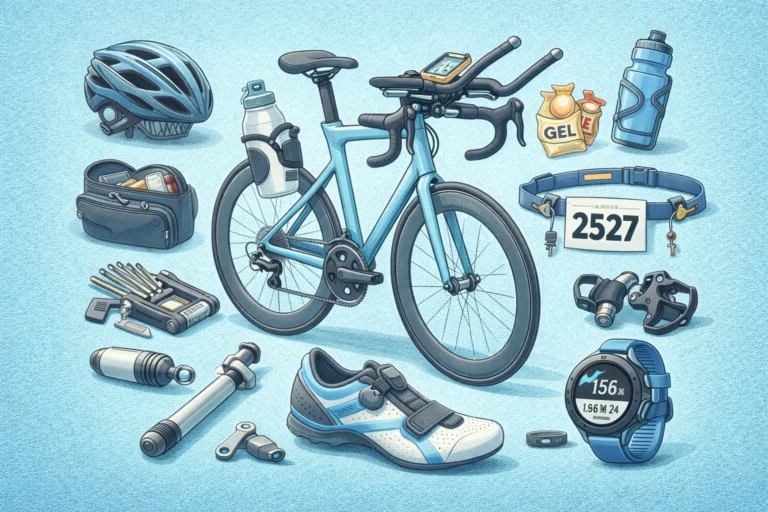
If you race or train for triathlon, the right kit on your bike makes a big difference. This article lists the best bike accessories triathletes need and explains how to choose items that save time, add speed, and cut stress on race day. Read on for clear, expert advice and product types to consider.
Why quality bike accessories triathletes need matter
Quality bike accessories affect your speed, comfort, and reliability. A small upgrade can shave seconds or prevent a mechanical on race day. I have covered many races and tested gear. I speak from experience when I say good gear pays off.
Before you buy, think about what you need for training and for races. Some accessories are for daily use. Others only matter on race morning. Knowing the difference helps you spend wisely and avoid extra weight.
Below is a focused list of items that most serious triathletes find useful. Each item supports a specific goal: faster aerodynamics, better hydration, easy repairs, or safety during group rides and open-water events.
If you want a quick shopping plan, use your goals to guide you. Do you want speed, comfort, or fewer mechanical risks? Your answers will shape the accessories you buy.
Must-have bike accessories triathletes need
Some items belong in every triathlete’s kit. These are basic, race-day essentials. They get you through a race and improve your training quality. I recommend investing in reliable versions of each.
Below is a clear list of must-haves and why they matter. Each item is explained so you can match products to your needs.
- Aero bars – Improve your position for time savings over long efforts. They change handling so get familiar with them in training.
- Bike computer or GPS – Provides pace, distance, cadence, and power data. Essential for pacing in triathlon.
- Hydration system – A front-mounted aero bottle or hydration arm is faster and easier to reach on the bike leg.
- Clipless pedals and shoes – Efficient power transfer and faster transitions if you practice clipless starts and stops.
- Spare tube, pump or CO2 – A lightweight pump or CO2 inflator and a spare tube should be with you for every ride.
- Multitool and tire levers – Small, lightweight tools solve minor mechanical issues quickly.
- Tire sealant or tubeless setup – Reduces the chance of flats during a race and saves time in transitions.
These items form the backbone of a race-ready bike setup. They reduce risk and let you focus on pacing and transitions rather than repairs.
When choosing brands, read reviews and pick models known for durability. Cheaper options can work, but parts that fail under stress will cost you more in the long run.
Aero and performance accessories
Speed gains often come from aero upgrades. These make you faster without adding extra effort. For many triathletes, aero improvements are the quickest route to better results on race day.
Fitting and testing aero gear in training is essential. New handlebars, wheels, or bottles will change how your bike handles. Practice with new gear before you race with it.
Here are the primary aero and performance-focused accessories to consider and why each matters.
- Deep-section or disc wheels – Reduce drag at speed. Good for flats and time trial efforts. Choose based on wind and handling comfort.
- Aero helmet – Lowers frontal drag when in a time-trial position. Make sure it fits and has enough ventilation for your conditions.
- Tri-specific hydration – Bottle shapes and holders that tuck into your aero position save watts and are easier to reach during hard efforts.
- Power meter – Provides precise effort data so you can pace every race by watts rather than feel alone.
- Slim saddle and narrow profile bars – Reduce frontal area and improve comfort in an aero tuck when fitted correctly.
When you focus on aero, small choices add up. A well-chosen bottle or wheelset can cut minutes over a long course. But balance aero with control and comfort.
If you are new to aero upgrades, start with one item and test it well. Your body position and comfort must come first. Only then will the speed benefits matter in a race setting.
Comfort and fit accessories
Comfort matters during a long bike leg. Discomfort costs power and focus. Good accessories improve your posture and reduce soreness so you can run well after the bike.
Work with a bike fitter to dial in saddle height, reach, and bar position. Accessories can fine-tune comfort, but a proper fit is the foundation. Even small changes in saddle angle or bar height can change how you feel on race day.
The items below are common comfort upgrades triathletes choose to stay strong through the bike and run.
- Proper saddle – Tri saddles are narrow and support a forward position. Try different shapes to find one that suits your sit bones and riding style.
- Bar tape or grips – Padding helps on long rides. Choose tape that balances feel and durability.
- Compression padding and chamois – High-quality shorts with a race chamois reduce friction and keep you comfortable for long sessions.
- Comfort-focused shoes – Stiff soles are good for power, but the fit must be comfortable for long efforts and quick T1 transitions.
- Seatpost with slight compliance – Absorbs road buzz for less fatigue on long rides.
Comfort upgrades let you hold aero positions longer and reduce the chance of injury. They do not always shave seconds but they keep you consistent across training blocks and races.
When testing comfort gear, allow time for adaptation. A new saddle or shoes often require a few weeks of training to become comfortable.
Safety, visibility and training accessories
Safety is non-negotiable. Lights, reflective gear, and a good helmet protect you during early morning rides and in low light. Training accessories also help you progress without risking crashes or surprises.
On open roads, being seen is as important as being safe. Choose lights that are bright and reliable. For group rides, a mirror or clear communication tools support safe positioning and passing.
Here are the key safety and training items that should be part of your regular kit.
- Daytime and night lights – Bright front and rear lights increase visibility to motorists and other riders during low light periods.
- Quality helmet with MIPS or similar – Offers extra protection in angled impacts. Replace helmets after crashes or five years of use.
- Training turbo or smart trainer – Lets you control workouts and hit structured sessions without weather or traffic risks.
- Reflective decals and vest – Add visibility in dawn or dusk rides without changing your bike setup.
- Rear view mirror – Gives quick awareness of traffic when on busy roads or in fast groups.
Investing in safety items is a small price for peace of mind. They help preserve your training and reduce the risk of race-day issues due to accidents or poor visibility.
Smart trainers also pay back in training time. They let you complete quality sessions that you would otherwise miss to bad weather or limited time.
Tools, maintenance and race-day spares
Minor mechanicals can ruin a training session or a race. A few well-chosen tools and spares will get you back on the road fast. Keep them ready and practice using them before race day.
Packing spares is about balance. You want what you need, but you do not want excessive weight. A small kit with key items covers most common failures.
Below is a practical list of tools and spares to carry or store in your transition area before a race.
- CO2 inflator or mini pump – Fast inflation for a quick return to the race. CO2 is lighter but bring a pump as backup.
- Spare tubes and tire levers – Choose tubes compatible with your wheel/tire size and valve type.
- Multitool with chain tool – Tightening bolts or fixing a chain can save your race. Include a small chain quick link if possible.
- Small bottle of chain lube and rag – Keeps drivetrain quiet and shifting reliable during long races and wet conditions.
- Zip ties and electrical tape – Quick fixes for loose bottles or minor cable issues on race day.
Store these items in a saddle bag, frame bag, or transition box. Practice common fixes so you can use them under stress and time pressure.
A prepared kit reduces anxiety on race morning. You will ride with more confidence when you know you can handle most common mechanicals quickly.
How to choose the right bike accessories triathletes should buy

Choosing the right accessories is a mix of goals, budget, and testing. Start with the most impactful items and add others as you confirm the benefits during training.
Think about your race type. Sprint and Olympic athletes might choose lightweight and simple setups. Long-course racers often prioritize comfort and hydration systems for long hours in the saddle.
Here are steps to pick the right gear for your needs and budget.
- Prioritize by impact – Buy items that improve safety, reliability, or power first. Then add aero upgrades as you train with them.
- Test before race day – Use training sessions to confirm comfort and handling with new gear.
- Balance weight vs durability – Lightweight parts are great, but not at the cost of reliability on rough roads.
- Check compatibility – Ensure bars, computers, and wheels fit your bike and your body position.
- Buy quality for critical items – Tools, hydration systems, and safety gear should be reliable even if they cost more.
Shopping this way keeps purchases focused and useful. It prevents clutter and helps you get real gains from the accessories you add to your bike.
Finally, keep records of purchases and installation notes. That helps when you compare products or replace parts in the future.
Key Takeaways
The right bike accessories triathletes choose will boost speed, comfort, and safety. Start with essentials: aero bars, a reliable pump or CO2, a bike computer, and a hydration solution. These items cover the biggest race-day needs.
Test every accessory in training and prioritize items that fit your race distance and goals. Balance aero upgrades with control and comfort so you can race at your best from bike to run.
Invest in safety and tools. Lights, a good helmet, and a compact repair kit protect your training and racing. A few smart purchases will repay you in time saved, fewer mechanicals, and better race results.
Use this guide as a shopping checklist. Pick one or two items at a time, practice with them, and build a race-ready bike that matches your needs and budget.