
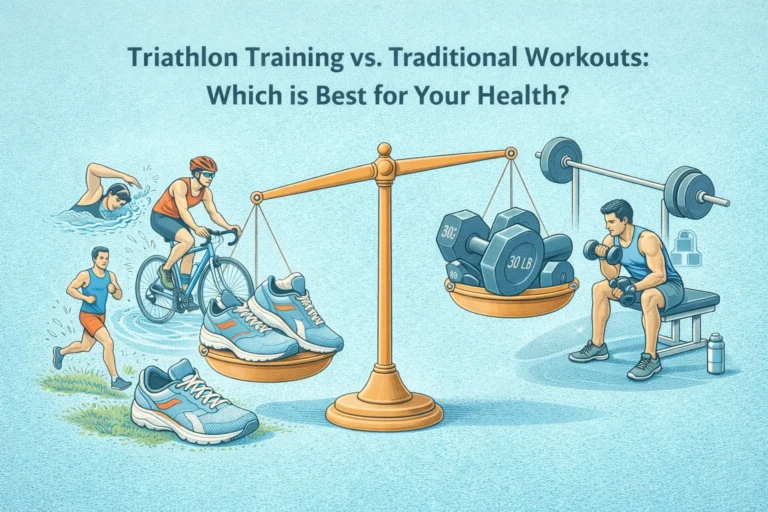
Choosing between triathlon training and traditional workouts can change how you feel, move, and perform. This article compares triathlon training vs traditional approaches so you can decide which path fits your goals, schedule, and gear budget. You will find clear differences, health outcomes, product suggestions, and sample plans to help you shop and train with confidence.
Why compare triathlon training vs traditional
Many athletes and fitness shoppers wonder if they should try triathlon training or stick with traditional workouts. Triathlon training mixes swim, bike, and run in one program. Traditional workouts cover common gym routines, single-sport training, or general fitness classes. The two approaches lead to different fitness gains and gear needs.
People pick one based on time, interest, and what results matter most. If you enjoy variety and outdoor endurance, triathlon training may suit you. If you want simple strength gains or fast workouts, traditional plans can be better. This section explains the main reasons to compare the two so you can make a smart choice.
Health and long-term fitness should guide your choice. Triathlon training often gives broad aerobic and muscular benefits, while traditional workouts let you target specific goals, like building muscle or improving power. Understanding these trade-offs helps you pick the right products and routines.
Besides health, your budget matters. Triathlon training often requires swim gear, a bike, and running shoes, plus tech like a bike computer or GPS watch. Traditional workouts might need fewer items, such as weights and a gym membership. Later sections will help you decide what to buy and how to set up a plan.
Key differences in training structure
Triathlon training vs traditional programs differ in how they split time and energy. Triathlon training balances three sports, so workouts are shorter for each discipline but more frequent overall. Traditional workouts usually let you focus longer on single areas like strength or cardio in each session.
Triathlon programs schedule swim, bike, and run workouts across the week. That creates cross-training benefits and helps prevent overuse in one single activity. Traditional programs can concentrate on progressive overload and steady strength gains, which helps muscle mass and maximal strength development.
Progression and periodization also look different. Triathlon plans change intensity and volume across the season for event peaks. Traditional workouts can use block periodization focused on strength cycles, hypertrophy cycles, or aerobic conditioning depending on the goal.
For shoppers, structure means different gear. A triathlete needs swim gear, a bike, and run shoes. A traditional trainee may prioritize a set of weights, a good pair of gym shoes, and resistance equipment. Consider what you enjoy and can maintain long-term when picking which plan to follow and what to buy.
Cardiovascular and metabolic health outcomes
Both triathlon training and traditional workouts can improve heart health, blood pressure, and metabolic markers. The difference is in how those improvements typically occur. Triathlon training gives sustained aerobic stimulus across multiple modes, which can boost endurance and calorie burn over time.
Traditional workouts often mix strength training with steady cardio. Strength sessions help preserve or build muscle mass, which improves resting metabolic rate and glucose control. If your main health goal is metabolic conditioning, a balanced traditional plan that includes strength and cardio is very effective.
Triathlon training generally pushes aerobic systems more, so it can be great for improving VO2 max and long-duration fat oxidation. That helps with endurance events and long-term cardiovascular risk reduction. Traditional plans that emphasize interval cardio can match some aerobic gains, but the constant variety in triathlon training gives extra real-world endurance benefits.
For people managing chronic conditions like high blood pressure or type 2 diabetes, both approaches work when paired with medical guidance. The best choice often depends on adherence and enjoyment. Pick the plan you are likely to stick with, because consistency is the main driver of health gains.
Muscle strength, balance, and body composition
Triathlon training improves muscular endurance and functional strength, especially in legs, core, and shoulders. Swim sessions strengthen shoulders and core in a low-impact way. Cycling builds leg endurance and single-leg power, while running improves impact tolerance and bone density.
Traditional workouts often target hypertrophy and maximal strength more directly. A gym-based program with progressive resistance can add muscle mass and raise baseline strength faster than purely endurance-focused training. This has benefits for aging, injury prevention, and long-term metabolic health.
Combining both approaches is possible. Many triathletes add scheduled strength sessions to maintain muscle mass and correct imbalances. If you follow triathlon training but want more strength, add two targeted gym sessions per week. If you follow traditional workouts, include steady aerobic sessions to support heart health.
Shopping for strength gear is simple. A quality set of dumbbells, resistance bands, and a barbell setup will serve a traditional trainee well. For triathletes, compact strength tools and bodyweight routines keep training manageable alongside swim, bike, and run sessions.
Time, schedule, and adherence
Time commitment is a big factor when you choose between triathlon training vs traditional training. Triathlon training often requires multiple sessions per day or long rides and runs on weekends. That can be hard for people with busy jobs or family demands.
Traditional workouts tend to fit into shorter daily blocks, like 30 to 60 minutes in the gym. This makes it easier to maintain consistency. Many people find brief, effective gym sessions more sustainable than long endurance workouts.
Adherence links to results. If triathlon training excites you, you will be more likely to keep training. If you dislike long sessions, a traditional plan with efficient workouts will likely produce better long-term outcomes. Consider your schedule honestly before buying specific gear or committing to a plan.
When shopping for products, look at time-saving gear. A smart trainer for cycling lets you get quality rides indoors in less time. A triathlon wetsuit speeds up open water swims, while a foldable roller or compact dumbbells make strength work easier at home. Good tools can reduce friction and help you stay consistent.
Injury risk and recovery
Both triathlon training and traditional workouts carry injury risk, but the patterns differ. Triathlon athletes often face overuse injuries in shoulders, knees, and lower back. The repetitive nature of swim, bike, and run can stress the same tissues unless you vary intensity and include recovery days.
Traditional workouts can lead to acute injuries from heavy lifting or poor form if progression is too fast. They also cause overuse issues when the same exercises repeat without variation. Proper technique and gradual increases are essential for safety for both approaches.
Recovery plans require thought. Triathletes benefit from active recovery like easy swims and short rides. Traditional trainees may need more emphasis on mobility and soft tissue work after heavy lifts. Sleep, nutrition, and hydration matter just as much as the actual workouts.
To minimize risk, include strength training and mobility regardless of your main plan. A weekly routine to build posterior chain strength, hip stability, and shoulder mobility helps both triathletes and gym-goers. Investing in recovery gear like foam rollers, massage tools, and quality footwear is a wise, commercial decision.
Gear and product choices for each path
Choosing the right gear makes training safer and more enjoyable. Below is a short guide to key products to consider for each approach. Read the list and then match items to your budget and goals before you buy.
- Triathlon training essentials: Swim goggles, a wetsuit if you swim outdoors, a road or triathlon bike, a bike helmet, cycling shoes, and good running shoes. A GPS watch that records swim, bike, and run metrics is also a high-value buy for tracking progress.
- Indoor trainer and accessories: A smart trainer or turbo trainer lets you ride indoors and follow structured workouts. Pair it with a trainer mat, fan, and a cadence sensor for better comfort and data. Smart trainers can shorten training time while keeping quality high.
- Strength and mobility tools: A basic weight set, kettlebells, resistance bands, and a pull-up bar support strength work for any athlete. For recovery, add a foam roller, massage ball, and percussion massager if your budget allows.
- Traditional workout basics: Adjustable dumbbells, a barbell and plates if you have space, a bench, and a quality pair of training shoes are core purchases. Consider a gym membership for access to machines and heavier weights if you aim for maximal strength.
- Wearable tech and monitoring: Heart rate chest straps, GPS watches, and power meters for cycling are helpful. For triathletes, a multisport watch that switches modes seamlessly is a strong investment. For traditional trainees, a watch with gym-mode or rep-counting features can improve efficiency.
Buying decisions should match your likely long-term path. If you are not sure you will stick with triathlon training, start with minimal swim and run gear and a basic bike or trainer. If you prefer traditional workouts, invest in solid strength gear and shoes that support heavy lifting.
Sample workouts and exercises to try

Below are sample workouts to give a clear idea of how triathlon training differs from traditional workouts. Each sample includes a short explanation so you know what it trains and why. These samples are practical and easy to test with minimal gear.
- Triathlon weekday microcycle: Swim: 30 minutes focusing on technique and drills. Bike: 45 minutes zone aerobic ride with short efforts. Run: 30 minutes easy with 4 strides. This mix trains endurance, technique, and recovery while keeping daily sessions manageable.
- Traditional strength split: Day 1: Squat, bench press, rows, core work. Day 2: Deadlift, overhead press, lunges, mobility. Day 3: Accessory and conditioning circuit. This plan targets strength and muscle while keeping cardio as a separate focus.
- Combined short week: Strength session 2 days: full body with compound lifts and mobility. Two shorter cardio sessions: one interval bike or run, one swim or row. This hybrid approach preserves strength and builds aerobic base with lower time demand.
- Beginner run-bike brick: 40-minute bike at easy pace then immediately 15-minute run at race pace practice. Bricks teach your legs to adapt between bike and run, a key skill for triathletes and helpful for multisport fitness.
- Quick gym metabolic circuit: 5 rounds: 8 kettlebell swings, 10 push-ups, 12 goblet squats, 30-second plank. Rest 90 seconds between rounds. This routine improves conditioning and strength in a short period.
If you want more targeted movement guidance, look for example sessions labeled exercises for triathlon that show swim drills, transition practice, and specific strength moves. Including those exercises helps you get race-ready and improves overall fitness.
Nutrition and fueling for health and performance
Nutrition needs differ between triathlon training vs traditional programs mainly because of energy demand and workout timing. Triathletes often train multiple times per day, so carbohydrate timing and recovery meals matter more. Traditional trainees who focus on strength may prioritize protein and timed carbs around workouts.
For endurance athletes, a mix of carbohydrates and some protein after a session speeds recovery and glycogen replenishment. During long sessions, simple carbohydrate sources like sports drink, gels, or fruit can help maintain energy. Hydration strategies are essential for long rides and runs, and sweat testing can guide electrolyte replacement.
Strength-focused plans need consistent protein intake across the day to support muscle repair. Aim for a balanced plate with lean protein, whole grains, healthy fats, and vegetables. Supplements like protein powder and creatine are useful, and both are well supported by research for strength gains and recovery.
Eating for health means matching intake to your goals. If weight loss is a priority, monitor overall energy balance while keeping protein high to preserve muscle. If performance is the goal, focus on adequate calories and nutrient timing to support training load and recovery.
How to choose the right path for you
Deciding between triathlon training vs traditional workouts comes down to goals, time, enjoyment, and budget. Ask yourself if you want to race, if you enjoy swimming and biking, and how much time you can commit. Honest answers make the choice clearer and help you buy the right gear.
Try short experiments before big purchases. Test a month of focused strength training and a month of triathlon-style training. See which one improves your mood, adherence, and body composition. These trials can guide a purchase like a bike or a weight set with less risk.
Mixing both approaches is also valid. Many people run a triathlon plan with two weekly strength sessions. Others focus on gym training but add occasional long rides or runs for endurance. Blending approaches gives broader fitness and can reduce burnout.
When shopping, prioritize items that support your likely long-term path. If you are unsure, choose versatile tools: adjustable dumbbells, a commuter or hybrid bike, and a GPS watch that works for both gym and outdoor sessions. These purchases keep options open and protect your budget.
Key Takeaways
Triathlon training vs traditional programs both improve health, but they do so in different ways. Triathlon training builds endurance across swim, bike, and run. Traditional workouts excel at targeted strength and efficient gym-based progress. Pick the approach that fits your schedule, goals, and what you enjoy most.
Consider gear and time when you decide. Triathlon training typically requires more specialized equipment, while traditional workouts can start with simple, affordable items. If you want to shop smart, invest in versatile tools that support both paths until your preference is clear.
Whatever direction you take, consistency matters most. Choose the plan you can stick with, include recovery and strength work, and match nutrition to your training load. Use the sample workouts here as a starting point and adjust as you learn what works for your life.
Now, pick one small change and try it this week. Whether you begin a swim session, schedule two gym workouts, or buy a basic piece of gear, action will show you which path feels right. Enjoy the process, track your results, and keep your health as the priority.