
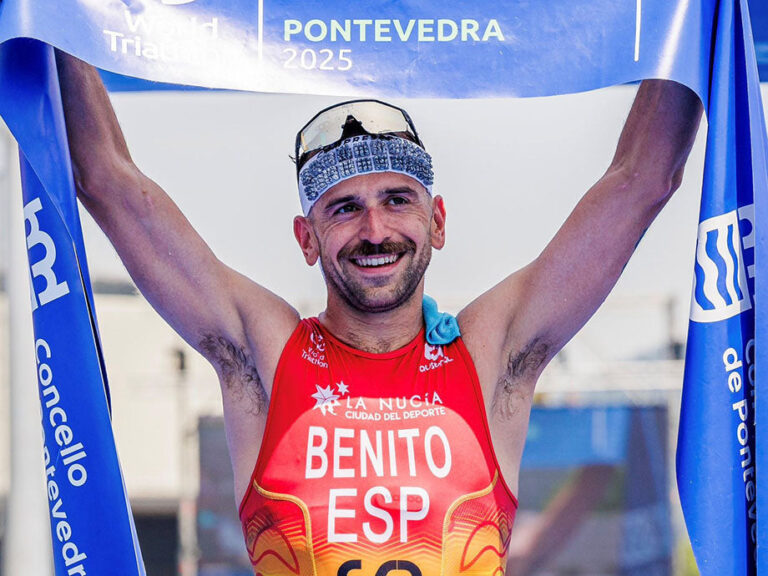
Antonio Benito López is a name you will hear on Spanish race start lists. He is a steady competitor in elite multisport events. I have followed his progress as a triathlon journalist. I watch the swim, bike and run splits closely. This piece will help you understand his results and his approach to the sport.
Keep reading if you want a clear view of his performance history. I will explain key races, training habits and how he stacks up in different formats. Expect practical details you can use to compare athletes or shape your own training plan.
Historic results
Benito has shown consistency across both Olympic distance and middle distance races. On national circuits he often finishes in the top 10. He has podiumed at regional championships and placed well in Spanish national cups. These results highlight steady form rather than a single breakout year.
On the international stage he has recorded solid finishes at ITU and ETU events. His best performances tend to come in draft-legal formats where pack dynamics matter. In longer formats like 70.3 events he posts competitive bike splits and stable run pacing. Those race files show power numbers that suggest a strong endurance engine.
Race by race you can see small improvements in transition speed and run consistency. Split analysis shows that swim placement varies, but bike and run often make up ground. Recent seasons include top finishes at regional half-distance races and repeat top-20s in European cups. That pattern points to an athlete who learns and adapts.
The athlete’s career
Antonio began in local triathlons and grew through junior ranks. He moved into elite fields after a string of strong national results. Early on he focused on technical skills. That meant drills for open-water sighting and bike handling. Over time he added structured power sessions and threshold runs.
As his calendar matured he mixed Olympic-distance events with selective middle-distance races. That blend kept his speed sharp and his endurance high. Coaching input emphasized race-specific blocks. Workouts often rotated swim technique days, sustained bike intervals and progressive run sessions. Recovery and transition practice were consistent parts of the plan.
Off the course he tracks performance metrics closely. He uses heart rate, power and pace to shape weekly load. Nutrition on race day is pragmatic. He favors carbohydrates that are easy to digest and tests fueling in training. The result is fewer late-race bonks and better run splits when it matters.
Race style and strengths
He is a practical racer. In swim legs he positions for a clean exit rather than an all-out lead. On the bike he rides with intent. Power data often shows steady watts at threshold. That makes him dangerous in long bike sections. In the run he relies on even pacing and strong mechanics.
Transition skills are solid. Good T1 and T2 times save him precious seconds. He reads race situations well. In pack racing he uses tactical positioning to draft efficiently. In non-drafting courses he sets his own tempo. Coaches will note his adaptability across formats.
Strength-wise he excels at sustaining high aerobic power. That supports consistent half-distance results. Areas for growth include faster open-water speeds and occasional sharper surges on short runs. Those improvements could convert consistent top-20 finishes into regular podiums.
Training insights for coaches and athletes
If you want to learn from his approach, focus on three things: interval quality, steady aerobic volume and transition practice. Intervals should be specific to race demands. Long tempo rides simulate 70.3 efforts. Short tempo runs build the speed needed for Olympic-distance closing laps.
Use swim sets that mimic sighting and mass starts. On the bike include threshold blocks and sustained tempo efforts. Run sessions that follow a bike ride help replicate bike-run fatigue. Track power and pace. Adjust weekly load based on recovery metrics and perceived exertion.
Finally, test race nutrition in training. Choose products that fit your stomach and your pacing. Practice quick kit changes. Those small margins add up on race day.
Conclusion
Antonio Benito López is a methodical and adaptable competitor. His record shows steady progress across national and European events. He combines sensible training with smart race tactics. That mix produces reliable results in both draft-legal and non-drafting formats.
If you study his season plans you will find useful lessons. Emphasize targeted intervals, consistent aerobic work and clean transitions. Those elements can help any athlete move from strong performances to regular podiums. Follow his races to see how small adjustments create big gains over a season.