
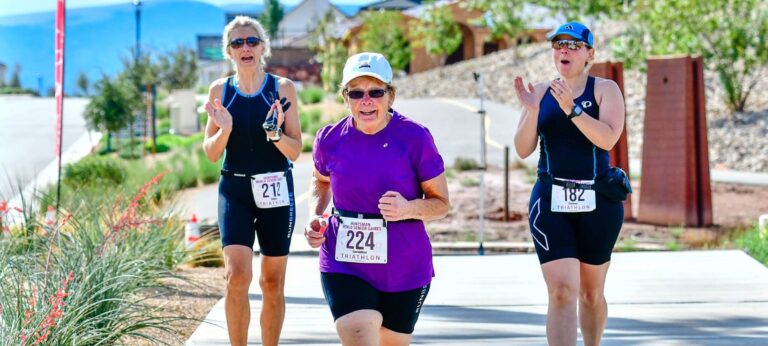
Entering your seventh decade does not mean giving up on endurance sport. Many age-groupers move from weekend fitness to full distance events. With a clear plan you can build speed, stamina, and resilience. This guide reflects years of reporting and coaching experience focused on masters competitors.
Expect to prioritize recovery and smart load management. Use tests and metrics rather than guesswork. Focus on sustainable gains. The aim is longevity in the sport and a better race outcome.
Why age matters for endurance athletes
Physiology changes with time. Maximal aerobic capacity declines. Muscle mass tends to drop. Those shifts affect how you tolerate volume and intensity.
Hormonal shifts influence recovery and adaptation. Bone density and tendon resilience may also change. Training decisions should account for these realities while still seeking progress.
Assessing your starting point
Begin with a frank evaluation. Check recent race results and training logs. Have a medical screen if you return after a long break or if you have chronic conditions.
Use baseline tests. A 20-minute time trial on the bike or a set of swim intervals helps set zones. Gait analysis and a strength screen highlight weaknesses. These metrics guide periodized plans.
Core training principles for masters competitors
Prioritize consistency over extremes. Frequent, moderate sessions beat sporadic high-volume weeks. Build an aerobic base with low-intensity endurance. That enhances fat metabolism and recovery.
Introduce targeted intensity once a stable base exists. Short intervals boost VO2 capacity. Threshold work improves sustained pace. Rotate focus to avoid chronic fatigue and to promote adaptation.
Swim training for older athletes
Technique matters more than yardage. Efficient stroke reduces energy cost. Include drills that promote catch, rotation, and a balanced pull. Masters swimmers benefit from focused technique sessions twice weekly.
Open-water skills and sighting should be practiced. Build aerobic sets with controlled pace. Add short speed repeats to increase turnover. Use pool tools sparingly to reinforce mechanics.
Bike training strategies
Pedal efficiency is key. Work on cadence drills and sustained tempo rides. Long rides build endurance. Intervals at threshold maintain power without excessive fatigue.
Include time on the trainer for targeted efforts. Brick sessions help with the run transition. Monitor heart rate and power to keep training within effective zones.
Run training for mature runners
Run volume must be increased slowly. Follow a 10 percent rule for weekly mileage increases. Emphasize quality over quantity. Short tempo and fartlek sessions raise lactate threshold.
Include gait drills and stride work. Strength training will protect joints and improve economy. Replace some long runs with cross-training when soreness accumulates.
Strength, mobility and recovery
Resistance work is non negotiable. Two sessions per week preserves muscle and bone. Focus on compound lifts and functional movements. Keep loads moderate and controlled.
Mobility and soft tissue work reduce injury risk. Add daily mobility routines and weekly focused sessions. Prioritize sleep. Active recovery days speed adaptation and lower injury risk.
Nutrition and body composition
Caloric needs shift with lower training volume. Target protein to support muscle repair. Aim for 1.2 to 1.6 grams per kilogram of bodyweight depending on load. Time protein intake around key sessions.
Carbohydrate periodization fuels harder workouts. Hydration and electrolyte balance matter, especially in warm weather. Monitor body composition rather than just scale weight.
Periodization and weekly structure
Use mesocycles to manage stress and recovery. Cycle through build, peak, and recovery blocks. Include one lower intensity week every three or four weeks.
Balance swim, bike, and run with strength and mobility. A typical week might include one long ride, one long run, two quality swim sessions, and two strength sessions. Adjust based on fatigue and life demands.
Race preparation and taper
Begin race-specific work six to eight weeks out for an Olympic or half distance. Practice transitions and nutrition. Simulate race pace and effort in controlled sessions.
Taper to allow supercompensation. Reduce volume while maintaining short, sharp efforts. Keep intensity but cut duration. A proper taper preserves fitness and sharpens freshness.
Practical considerations and safety
Listen to objective signs. Persistent soreness, disrupted sleep, and plateaued performance require adjustment. Use heart rate variability or subjective scales to guide load.
Work with professionals when needed. A coach, physiotherapist, or dietitian can fine tune plans. Regular checkups help manage cardiovascular and metabolic health.
Conclusion
Competing in triathlon at 60 and beyond is achievable. Training must be intelligent and individualized. Emphasize longevity over quick fixes.
Focus on steady progress, recovery, and strength. Keep technical work and race practice in your routine. With planning and patience you can reach new personal bests as a masters athlete.