

As a triathlon journalist and coach, I have watched many motivated triathletes push limits and grow fast. This article explains how they train, how they think, and how you can use their habits. Read on to learn practical steps to improve swim, bike, and run performance and to keep your drive strong.
Training Habits of motivated triathletes
Motivated triathletes follow clear habits every week. These habits cover workouts, rest, and simple daily routines. They make progress by repeating good actions and then adjusting what does not work.
Top athletes are consistent with time in the pool, on the bike, and on the run. They keep each session focused. The goal is to get quality work in, not just hours. Small, steady gains add up over months.
Before a list, I will explain why habits matter and what to watch for. Use habits to keep training on track and to reduce stress. A clear daily plan makes it easier to handle hard days.
Common daily habits include:
- Planned workouts: Each day has a purpose, such as endurance, speed, or technique.
- Short recovery sessions: Easy rides or swims after hard days to speed repair.
- Nutrition focus: Simple meals that match training needs, with proteins and carbs timed around sessions.
- Sleep routine: A steady sleep window to help recovery and mood.
- Log review: A quick check of last week to adjust the next week.
These habits are not fancy. They are practical and repeatable. If you adopt a few, you will likely see steady gains in weeks. The key is to be patient and to track small wins.
Mental Strategies for motivated triathletes
Mental skill often separates finishers from top finishers. Motivated triathletes learn to plan their mind as well as their body. They use simple tools to stay calm and focused before and during a race.
One strong habit is to set a clear daily focus. This might be a single skill to practice, like a smooth transition or steady pacing on the bike. Small, clear goals reduce stress and improve performance.
Before a list, here is why mental tools matter. You will face bad sessions and unexpected problems in a race. Having mental routines helps you move through problems without losing effort or joy.
Mental tools many athletes use include:
- Pre-race checklist: A calm list to run through before the start to reduce nerves.
- Breathing exercises: Short breaths to reset heart rate and focus during hard parts.
- Positive cues: Short phrases to keep form and pace under control.
- Visualization: Quick mental runs through transitions and tricky course sections.
- Refocus steps: A plan for when things go wrong, such as checking form, slowing down, and reassessing the plan.
Some athletes also track common traps to avoid the most frequent motivation pitfalls. They know what saps energy and what fuels confidence. Tracking these patterns keeps mental training honest and useful.
Race-Day Routines
Race day tests training and mental work together. Motivated triathletes follow clear routines that reduce stress and make race actions feel familiar. Practice makes the routine feel easy on the big day.
A calm start comes from a steady pre-race plan. This includes food, warm-up, gear checks, and a timing plan for when to move to the start. Keeping the start simple prevents last-minute mistakes.
Before a list, I will explain why checklists help on race day. A checklist frees your mind so you can focus on performance. It reduces forgotten items and helps you start with confidence.
Race-day checklist items may include:
- Gear check: Helmet, shoes, goggles, bike lights or pump if needed.
- Nutrition plan: What to eat and when, both the last meal and the in-race fuel.
- Warm-up routine: Short swim or bike warm-up and a few strides for the run.
- Pacing plan: Target power, heart rate, or pace zones for each leg.
- Simple contingency plans: What to do for a flat, cramp, or bad weather.
On race day, the goal is to follow the plan and stay adaptable. Motivated triathletes keep a calm tone. They expect some problems and they keep moving. That steady approach often wins more than raw speed.
Recovering and Learning from Setbacks
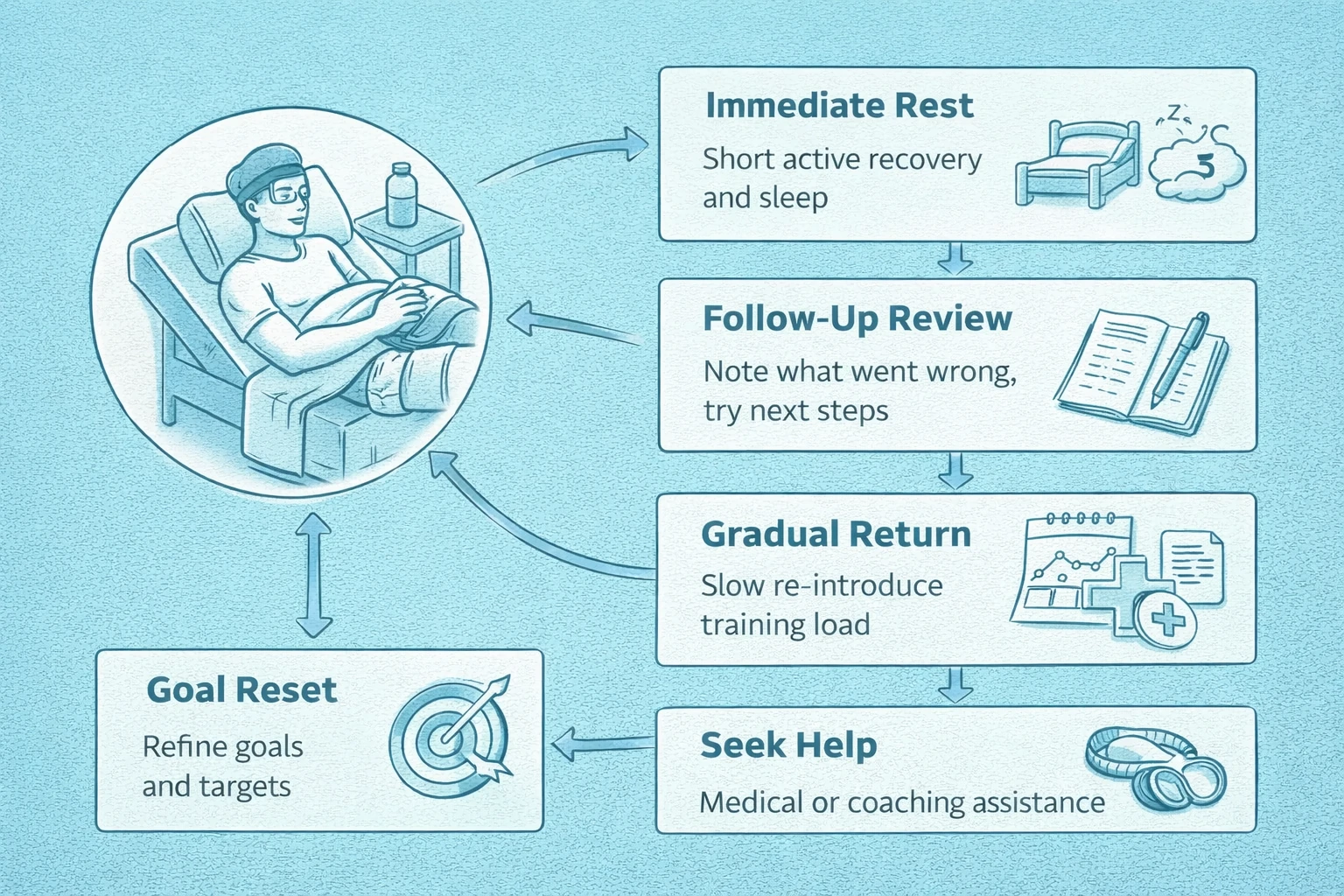
Setbacks are part of the sport. Motivated triathletes accept this and use setbacks to learn. They focus on recovery, review, and small changes that prevent the same issue later.
Recovery is both physical and mental. Good recovery restores muscles. It also restores confidence. Athletes use simple steps to speed recovery and to reduce risk of long-term loss.
Before the next list, note why a step-by-step recovery plan works. A plan keeps recovery active and goal oriented. It avoids passive worry and helps athletes get back to training with clear limits and new rules.
Key recovery steps include:
- Immediate rest: Short active recovery and sleep to calm the body after a hard effort.
- Follow-up review: A quick note on what went wrong and what to try next time.
- Gradual return: Slow re-introduction of training load with clear limits for the first week back.
- Seek help: Medical or coaching help when pain or repeated failure appears.
- Goal reset: Use setbacks to refine how you set and track targets. Learn to set achievable goals and to adjust them as you progress.
Handling setbacks well keeps motivation strong. Rather than losing drive, athletes who learn move forward faster. They use small wins in training to rebuild trust in their body and plan.
Building a Training Plan for motivated triathletes
A smart training plan fits life and targets the race. Motivated triathletes design plans that match their time, fitness, and goals. The plan should be clear and flexible at the same time.
Start with the big picture: weekly time, main race goals, and key weak points to fix. Then break the plan into weeks. Each week should have a purpose, such as base building, speed, or taper.
Before the plan steps, a short note on how to maintain progress. Track sessions and feelings. Adjust based on fatigue, stress, and life demands. This steady feedback loop keeps the plan honest.
Core steps to build a plan are:
- Assess time: Know how many hours per week are realistic for your life.
- Prioritize skills: Pick one or two weaknesses to fix in each block of training.
- Balance load: Mix hard sessions with easy ones and include full rest days.
- Plan race prep: Add race-specific sessions and test race nutrition in training.
- Review weekly: Use a short training log to note progress and to set the next week. Many athletes also create simple cues to create motivational mantra phrases that keep focus during hard sessions.
Good plans are simple to follow. They avoid too much complexity. Motivated triathletes often succeed because their plans match life and are easy to follow on busy days.
Key Takeaways
Motivated triathletes succeed through plain habits, steady plans, and healthy recovery. Small steps done well beat random big efforts. Consistency wins in triathlon.
Mind skills matter as much as physical work. Use short pre-race routines, simple cues, and a clear refocus plan to avoid common motivation pitfalls. These tools keep you calm and effective during a race.
Build a plan that fits life, track progress, and change slowly. Use clear steps to set achievable goals and to test race nutrition and gear in training. With steady work and simple tools, your triathlon results will rise and your confidence will grow.