
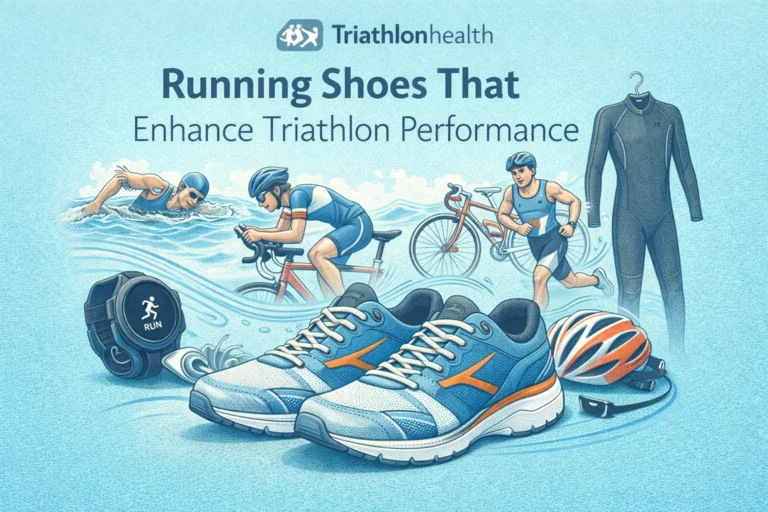
Choosing the right triathlonhealth running shoes can change how you feel on race day. This article explains what to look for, how to fit shoes, and which models suit different race goals. Read on for expert guidance based on real triathlon experience and practical testing.
Why triathlonhealth running shoes matter
Running is the final leg in triathlon, and many races are decided on the road. The wrong shoe can cause cramps, blisters, or slow form. The right shoe can make the run feel smoother and faster.
As a triathlon journalist and athlete, I have tested many shoes across distances. Shoes that work for pure running do not always work best for triathletes. Triathletes need a balance of speed, comfort, and durability.
Choosing triathlonhealth running shoes goes beyond brand or trend. It means matching shoe features to your race plan, your training load, and your transition style. That match can save energy and seconds during a race.
Key features to look for in triathlonhealth running shoes
Before you look at models, know the features that matter most for triathlon. Below I explain each feature and why it affects your performance and comfort on race day.
Start with cushioning. Triathletes often train a lot, and a shoe with the right cushioning protects the legs. Too soft and it slows you down, too firm and your joints feel the impact. Look for a balance that fits your weight and pace.
Next is weight and responsiveness. Lightweight shoes reduce fatigue late in the race, and responsive midsoles return energy with each stride. A responsive shoe helps you maintain pace after the bike leg.
Durability and traction matter for road races and mixed-surface courses. Durable outsoles and reliable traction help when roads are wet or the final meters are on rough pavement. Also check for breathable uppers so your feet do not overheat.
Lastly, ease of use in transition is critical for triathletes. Shoes with roomy heel pull loops, roomy toe boxes, or modified lacing systems speed up transitions. Those small seconds add up in a race.
Shoe types that work well for triathlon
Triathletes choose shoes for specific needs. Some want lightweight racing shoes for short courses, others prefer stable trainers for long training sessions. Below are the common types and why triathletes use them.
Racing flats and carbon-plated models give a performance edge on fast, short races. They are light and responsive. Many athletes switch to racing shoes for sprint and Olympic distances to gain speed during the run leg.
Stability trainers provide support for high-mileage training. These shoes help maintain form through long brick workouts and marathon preparation. They often have more cushioning and a wider base for control.
Neutral trainers blend cushioning and responsiveness for daily training. They work well for most triathletes who need comfort for repeated sessions. For beginners, a neutral trainer is often the best starting point.
Trail shoes have a place too, if your race finishes off-road or your course includes mixed terrain. Traction and foot protection help you stay confident on technical sections.
How to choose the right triathlonhealth running shoes for your race
Choosing the right shoe starts with an honest assessment of your race distance, training, and foot type. I will walk you through the key steps so you can pick shoes that match your goals.
First, list your priorities. Are you chasing speed on a short course? Or preparing for an Ironman style long run? Short events favor lightweight, low-stack shoes. Long events favor cushioned, stable shoes that protect your legs.
Second, weigh your training load. If you log many miles per week, prioritize durability and cushioning. For lower weekly mileage, you can pick a lighter, faster shoe that still fits comfortably.
Third, consider transition technique. If you use elastic laces or slip systems, choose shoes with wide openings and easy heel access. If you tie laces normally, a snug fit with standard lacing works fine. Practicing transitions with your race shoe is essential.
Fit and sizing tips specific to triathlon
Proper fit reduces the chance of blisters and pain on race day. Fit issues can ruin your performance even if the shoe is fast. Here are practical steps for fitting triathlon shoes correctly.
Try shoes at the end of a harder training session or at the end of the day. Feet swell with activity, and a shoe that feels tight when fresh can become painful later. Aim for a thumb width of space at the toe box when standing.
Pay attention to heel hold. A secure heel reduces slipping and rubbing. But do not over-tighten the laces. A locked heel design can also speed transitions since your foot will sit in the shoe without extra tension.
Consider width and arch support. Some brands offer narrow and wide versions. Pick the one that matches your foot. If you need custom support, removable insoles allow swapping for orthotics or more cushion.
Transition tricks and race-day setup
Transitions are where small choices matter. The right shoe setup can save you valuable seconds. Below I outline practical techniques used by top age-groupers and pros.
Practice putting on shoes while running in socks and after a bike effort. This helps you simulate the real race feel. Some athletes set shoes on the bike with the heel against clip-in pedals so they can hop in quickly.
Elastic laces or quick lace systems let you slip shoes on without stopping to tie. Make sure the laces are snug but not tight. A simple double knot that sits low on the tongue keeps the laces from snagging in transition.
Place shoes next to your bike with the toes pointing out. This makes stepping in fast and keeps your feet aligned. Use a small towel or race mat to protect shoes from hot or rough surfaces during transitions.
Top triathlonhealth running shoes to consider

Below is a selection of shoes that perform well for triathletes. I include options for racing, daily training, and long sessions. The list is based on testing, athlete feedback, and race performance.
Before the list, remember that no single shoe fits every athlete. Consider your weight, gait, and the distances you race. Try shoes during training before committing to them for race day.
Here are the recommended models and why they suit triathlon use. Each entry notes strengths and what type of athlete will benefit most.
- Lightweight racing shoe: Fast and low on weight, ideal for sprint and Olympic distances. These shoes help maintain turnover and feel nimble in the final kilometers.
- Carbon-plated racer: Offers strong energy return and propulsion. Good for athletes seeking a time boost on flat or rolling courses, especially in half-marathon paced run legs.
- Daily trainer: Balanced cushioning and durability, suitable for brick workouts and high-mileage weeks. They are comfortable and help you recover between hard sessions.
- Stability trainer: Built for athletes who need extra support. These shoes reduce inward roll and keep the foot aligned on longer runs and after hard bike sessions.
- Transition-friendly shoe: Designed with quick lacing and wide openings. These shoes save time in transition and suit those who prioritize quick changes.
Use this list as a starting point. Try similar models from multiple brands since fit and feel vary significantly across manufacturers.
Training strategies using your race shoes
Your training plan should include sessions in the shoes you plan to race in. That helps your feet adapt and reduces surprises on race day. I recommend a structured approach to mixing shoes in training.
Start by wearing your race shoe for short runs after a bike. This simulates the race sequence and helps your body adapt to sensation differences. Gradually increase distance in race shoes as the event approaches.
Mix heavier trainers and lighter race shoes across the week. Use the heavier trainers for long easy runs and recovery. Use the lighter shoes for speed work and tempo runs. This balance protects your legs while preparing your body for race-day speed.
Replace shoes regularly. High-mileage athletes often retire shoes around 400 to 600 miles depending on model and wear. Track miles so you do not race in a shoe that has lost cushioning or support.
Care, storage and maintenance tips
Taking care of your triathlonhealth running shoes extends their life and keeps them performing well. Simple steps protect cushioning and structure. Here are actionable care tips.
Air shoes after runs to dry sweat and moisture. Avoid direct heat or machines, which can break down materials. Stuffing shoes with newspaper helps them dry faster without heat.
Rotate shoes between sessions. Rotating helps foam recover and prolongs life. If you can, use at least two pairs across a training week so each pair rests between runs.
Inspect soles and uppers for wear. Worn tread and compressing foam reduce performance and increase injury risk. Replace shoes when you notice uneven wear or loss of cushioning.
Related gear and items to pair with your shoes
Shoes work best with other triathlon-appropriate gear. Choosing complementary items improves comfort and performance across the race. Below I list items to consider and why they matter.
Start with socks. Thin, breathable socks reduce friction and blister risk. Some triathletes prefer going sockless for short races, but practice that in training before race day.
Consider insoles and orthotics if you have arch or support needs. Removable insoles allow you to tailor support without changing shoe size. Test any insole changes well before race day.
Here is a short list of complementary items to check during gear selection and packing. Use the items to fine tune your setup and reduce surprises.
- Thin, quick-dry socks for faster drying and less bulk.
- Elastic laces for faster transitions and consistent fit.
- Lightweight gaiters or toe covers if weather or debris is a concern.
- Spare shoelaces and basic repair tape in your transition bag.
Many triathletes also benefit from reading other gear guides. If you have checked our triathlonhealth wetsuit comparison, pairing that data with shoes and other kit helps you plan for race conditions. Look over lists of essential triathlonhealth gear and triathlonhealth must-have gear to complete your setup.
Common mistakes and how to avoid them
Even experienced athletes make shoe mistakes. I highlight common errors and how to avoid them so you arrive at the start line confident in your footwear.
One frequent mistake is switching shoes too close to race day. Trying a new model the week of the race risks blisters and discomfort. Break in new shoes in several training sessions well before race day.
Another error is ignoring transition practice. You can have the fastest shoes, but slow transitions lose time. Practice getting into and out of shoes while tired and after biking so your hands and legs learn the motions.
A final mistake is keeping worn-out shoes. Foam and soles break down with miles. Track mileage and replace shoes proactively. Using worn shoes on race day can cost pace and comfort.
Let’s Recap
Choosing triathlonhealth running shoes takes thought and practice. Match shoe type to race distance, train in your race shoes, and practice transitions to save time. Proper fit and care also protect your feet and legs.
Balance weight, cushioning, and transition features when you pick a shoe. Test models in real training, rotate between pairs, and replace shoes before they lose support. Small choices add up to better runs and more confident finishes.
If you want a short checklist before race day, focus on fit, break-in status, transition readiness, and recent mileage on the shoes. Follow those checks and you will reduce risk and perform closer to your potential.
Use the information here to choose triathlonhealth running shoes that match your goals. Train smart, test gear, and enjoy the run leg of your next race.