
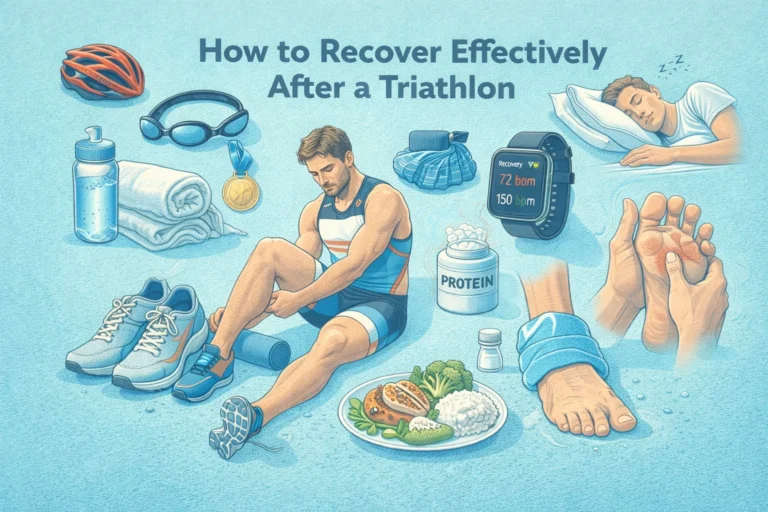
You finished a Triathlonhealth event. Your body is tired, your legs feel heavy, and your head spins with mixed feelings of pride and fatigue. This article shows a clear, practical plan for post-triathlonhealth recovery, so you can repair tissues, restore energy, and return to training feeling stronger.
This guide covers the first hour after the race, the next 72 hours, weekly planning, nutrition, hydration, sleep, mental rest, simple mobility tools, and a sample recovery week. Read on and adapt these steps to your level, whether you are a new triathlete or a seasoned competitor.
Why post-triathlonhealth recovery matters
Recovery after a triathlon is not optional. The race breaks down muscle fibers, depletes glycogen stores, stresses the immune system, and taxes your central nervous system. If you skip recovery, you risk increased fatigue, poor adaptation, illness, and injury.
Good recovery gives you two main benefits. First, it speeds repair of muscles and connective tissue. Second, it allows physiological gains from training to consolidate. After an event, your body is primed to adapt. Give it the right inputs and you will come back fitter, not more tired.
Training quality after a race depends on how you recover. Proper rest and nutrition determine how fast glycogen returns, how well inflammation is managed, and how motivated you feel. Many athletes treat recovery as an afterthought. Top performers treat recovery as part of their race plan.
This article lays out a step-by-step method for post-triathlonhealth recovery. Follow the sections that match the time window you are in, from the first hour after the finish line to the first weeks after the event.
Immediate steps in the first 60 minutes after the race

The first 60 minutes are critical for starting recovery. Your body is still in a heightened state of stress. Small actions now make a big difference later. Below are the most important steps to take immediately after you finish.
Start with warmth and shade. Cooling down too fast or sitting in cold weather with wet clothes can amplify stiffness. Change into dry clothes as soon as you can, and find a warm spot to sit for a short time. Warm muscles remain supple and help you move to the next steps more easily.
Next is early refueling. Eating carbohydrates and a moderate amount of protein within the first hour helps restore glycogen and starts muscle repair. Rehydration is equally important. Replace fluids lost through sweat and add sodium to help retain fluids and support nerve function.
Below is a short list of the practical tasks to complete in the first hour. Each item helps set the foundation for the rest of your recovery day.
Quick action plan for the first 60 minutes after the finish. Follow these steps to begin post-triathlonhealth recovery:
- Change into dry clothing and warm layers, and protect yourself from wind or rain.
- Consume 20 to 40 grams of fast carbohydrates and 15 to 25 grams of protein, for example a recovery shake or a sandwich with lean meat.
- Drink 500 to 1,000 ml of fluid that includes electrolytes, or sip water and use an electrolyte tablet.
- Walk slowly for 5 to 15 minutes to help blood flow and reduce pooling in the legs, then sit with legs slightly elevated for 10 to 20 minutes.
- Apply light compression or wear recovery socks to support venous return, if you normally use them.
Nutrition strategy for strong recovery
Nutrition after a triathlon supports energy restoration, muscle repair, and immune function. Your plan should focus on carbohydrates, protein, and anti-inflammatory foods. Timing matters as much as content, especially in the first 24 hours.
Carbohydrates refill glycogen, the stored fuel in muscles and the liver. Aim for 1.0 to 1.2 grams of carbohydrates per kilogram of body weight in the first hour if you have another hard session within 24 hours. For most athletes after a long race, 60 to 90 grams of carbs in the initial recovery window is a good target.
Protein supports muscle repair. Aim for 15 to 25 grams of high-quality protein in the first meal after the event, and then 20 to 30 grams at regular intervals through the day. Choose lean meats, dairy, eggs, or plant proteins combined to ensure a good amino acid profile.
Below is a practical list of recovery foods and meal ideas. Use it as a base to match what you tolerate after heavy exercise and what you can access at the venue or at home.
Recovery meal and snack ideas for post-triathlonhealth recovery:
- Recovery shake with milk or plant milk, banana, whey or vegan protein, and a spoon of honey.
- Turkey or chicken sandwich on whole grain bread with avocado and salad.
- Greek yogurt with granola, berries, and a handful of nuts.
- Oatmeal with milk, dried fruit, and nut butter.
- Rice or sweet potato with eggs and steamed vegetables for a more solid meal a few hours post-race.
Hydration and electrolyte strategy
Fluid loss is often larger than athletes estimate, especially in hot or humid races. Proper hydration restores blood volume, supports digestion, and reduces cramping risk. Hydration also helps the kidney clear metabolic byproducts from exercise.
Start with fluid and sodium soon after the race. A sports drink with sodium is practical, or add electrolyte tablets to water. Drinking too much plain water can dilute sodium and may contribute to low blood sodium in extreme cases. For most triathletes, replacing both water and salt within the first few hours is the safest approach.
Monitor urine color as a simple check. Pale straw-colored urine usually means you are adequately hydrated, while dark urine indicates ongoing dehydration. However, some recovery drinks and foods may change urine color temporarily, so use this measure alongside how you feel.
Here are clear hydration steps to follow for the first 24 hours after your event. These choices help your body restore fluid balance and electrolyte stores.
Hydration checklist for post-triathlonhealth recovery:
- Begin with 500 to 1,000 ml of fluid containing electrolytes in the first hour after finishing.
- Continue to sip fluids at a steady pace for the next 12 to 24 hours, aiming to match the estimated sweat loss plus 20 percent.
- Include salty snacks or a meal with table salt to replace sodium losses, especially if you cramp or sweat heavily.
- Consider a light sports drink or oral rehydration solution if you had a long race or felt dizzy at the finish.
Active recovery, mobility, and gentle movement
Active recovery helps clear metabolic waste, reduces stiffness, and supports circulation. Gentle movement is better than prolonged sitting. Short, low-intensity activities encourage healing without stressing damaged tissues.
Walking, easy cycling on a trainer, or a short swim at an easy pace can all be useful. Aim for 20 to 40 minutes of very low-intensity movement in the 24 hours after a long race, if you feel able. If you are extremely sore or tore a muscle, favor rest and a gradual return to movement.
Adding mobility work helps restore range of motion. Light stretching, foam rolling for 5 to 10 minutes, and simple stability exercises can reduce stiffness. Many athletes also use restorative sessions like yoga triathlonhealth to combine breath work and gentle poses for recovery.
Below are safe active recovery ideas to use in the first days after your race. Choose what feels right for your body and fitness level.
Safe active recovery options for post-triathlonhealth recovery:
- Easy 20 to 40 minute walk at conversational pace, avoiding hills and technical trails.
- 15 to 30 minutes on a stationary bike with very low resistance and cadence beneath race pace.
- Gentle pool swim, using easy drills and long slow strokes to loosen the shoulders.
- Short mobility routine: hip openers, ankle circles, thoracic rotations, and light foam rolling for tight areas.
Sleep and hormonal recovery
Sleep is the single most powerful recovery tool. Deep sleep supports growth hormone release, which promotes muscle repair and tissue growth. Poor sleep after a race delays recovery and can increase the risk of illness.
Try to get quality sleep the nights following your race. If you are traveling, prioritize sleep on the first night even if it means skipping late social activities. Create a calm sleep routine with dim lights, limited screens, and a cool, dark room to help you fall asleep faster.
Short naps can help during the day, especially if you had a very early start or a late finish. Limit naps to 20 to 90 minutes to avoid disrupting night sleep. If you are struggling with insomnia after a big race, focus on relaxation techniques like diaphragmatic breathing or progressive muscle relaxation before bed.
Here are practical tips to protect sleep after a triathlon. Small habits compound each night to rebuild your energy and readiness for training.
Sleep hygiene tips for post-triathlonhealth recovery:
- Keep a consistent bedtime and wake time in the days after the event to stabilize your circadian rhythm.
- Aim for 7 to 9 hours of sleep per night, and add short naps when needed.
- Avoid heavy alcohol close to bedtime; alcohol disrupts deep sleep and can increase dehydration.
- Create a wind-down routine with light stretching, reading, or breathing exercises, and avoid bright screens an hour before bed.
Mental recovery and emotional rest
Triathlon performance is not only physical, it is mental. The emotional high of race day can leave you wired. Mental recovery deserves the same attention as physical recovery. Give your brain time to process the event, whether you felt great or disappointed.
Allow yourself time to reflect. Write quick notes about what went well, what you learned, and what you would change next time. A short debrief helps you move forward and prevents ruminating thoughts. Share your highlights with a friend or coach, and accept that emotions will ebb and flow in the days after the race.
Pace social commitments. If you feel emotionally drained, decline large gatherings and schedule low-key time with family or teammates. Mental rest also means stepping away from training talk and performance pressure for a few days. Enjoy simple pleasures like a relaxed walk, a favorite meal, or a light movie.
Below are practical steps to support mental recovery after a triathlon. These actions help restore motivation and prevent mental burnout.
Mental recovery actions for post-triathlonhealth recovery:
- Write a brief post-race journal with three things that went well and one thing to improve.
- Schedule one or two low-pressure social activities rather than many obligations in the first week.
- Use breathing drills or a short guided relaxation before sleep to settle the nervous system.
- If you are struggling emotionally, seek a coach or counselor to process race outcomes in a healthy way.
When to resume training and how to plan the first weeks
Return to training should be gradual and based on the race distance, your training history, and how you feel. A quick rule: shorter races need less recovery, longer races need more. A 400 meter swim-based event will require less downtime than a long-distance triathlon.
Plan easy aerobic sessions first. In week one, focus on low-intensity movement, short technique sessions, and mobility. Avoid hard intervals, long tempo sessions, or heavy strength work until you feel rested and your sleep and appetite have returned to normal.
Use a staged approach to return. Start with light sessions, then add volume and intensity slowly. Listen to soreness, energy levels, and heart rate variability when possible. If you notice persistent deep muscle pain, joint swelling, or unusual fatigue for more than a week, consider a medical check or consult your coach.
Below is a conservative timeline to guide a return to training after common triathlon distances. Adjust for your personal fitness and the demands of your event.
Sample return-to-training timeline for post-triathlonhealth recovery:
- Sprint or super sprint: 3 to 7 days of light activity, then progressively add more structured sessions over two weeks.
- Olympic distance: 7 to 10 days of active recovery and easy sessions, then reintroduce moderate intensity in week two.
- Half Ironman: 10 to 14 days of light activity and careful monitoring, with a gradual reintroduction of volume over 2 to 3 weeks.
- Ironman or ultra-distance events: 3 to 4 weeks of primarily low-intensity movement, sleep, and nutrition focus, then a cautious ramp in weeks 4 to 6 based on your recovery markers.
Injury checks and gear care
After a race, check your body for any unusual pain or signs of injury. Race-day adrenaline can hide pain that appears more clearly the next day. Inspect joints for swelling and test movements gently to find limits without forcing them.
If you suspect a serious injury, schedule a professional assessment early. Early diagnosis and treatment prevent small issues from developing into chronic problems. For simple soreness, use conservative measures like rest, ice for acute pain, and progressive loading as pain decreases.
Gear care matters too. Clean and dry your wetsuit, bike, helmet, shoes, and clothing. Salt, sweat, and dirt can damage equipment and shorten its life. A quick mechanical check of your bike after a long ride can prevent a failure in subsequent sessions.
Below is a checklist to handle basic injury screening and gear care in the days after a race. These actions protect your health and your equipment so you can get back to training smoothly.
Post-race injury and gear checklist for post-triathlonhealth recovery:
- Do a gentle movement screen: squat, lunge, shoulder reach, and single-leg balance to see how joints and muscles respond.
- If pain limits daily tasks or walking, consult a sports physiotherapist within a few days.
- Rinse and hang your wetsuit to dry inside out, and wash chamois or cycling clothing to prevent skin issues.
- Give your bike a service: clean, inspect brakes and drivetrain, and consider a full tune-up if you raced off-road or in poor weather.
Sample 7-day post-triathlonhealth recovery plan
This sample plan gives a practical structure to follow after a typical Olympic or half-distance race. Adapt the days to shorter or longer races, and to how you personally feel. The goal is to restore energy and movement without adding stress.
The plan below focuses on nutrition, active recovery, sleep, light skill work, and a staged return to intensity. It balances rest and low-load activities so your body can repair while your brain stays engaged with the sport in a low-pressure way.
Use this sample as a template. Adjust the intensity, duration, and content of each day based on soreness, swelling, sleep quality, and appetite. If anything feels wrong, back off and seek professional advice.
Seven-day sample plan for post-triathlonhealth recovery:
- Day 1: Immediate recovery steps. Light walking, refuel with carbs and protein, rehydrate, and aim for early rest. Short mobility session in the evening.
- Day 2: Easy aerobic activity like a 30 minute walk or 20 minute easy bike. Focus on meals with good protein and complex carbs. Short nap if needed and a calm sleep routine.
- Day 3: Gentle technique session: short swim focusing on drills or an easy bike cadence session under 45 minutes. Continue hydration and protein-focused meals. Light foam rolling and mobility.
- Day 4: Low-intensity cross-training: easy pool swim, yoga, or a relaxed hike. Monitor soreness and energy. No hard intervals.
- Day 5: Slightly longer easy aerobic session, 45 to 60 minutes at low intensity if you feel ready. Include a short strength session of bodyweight exercises focusing on control, not load.
- Day 6: Easy-to-moderate session with short efforts if you feel fresh, such as a few 1 to 3 minute pickups during a bike or run. Keep intensity well below race effort and stop if fatigue rises.
- Day 7: Active recovery or a rest day depending on how you feel. Plan the upcoming week with progressive load if you are recovered, or repeat low-load activities if you still feel weary.
Key Takeaways
Recovery after a triathlon makes the difference between wasted effort and training gains. Start with the basics in the first hour: dry clothes, carbs, protein, and fluids with electrolytes. Those steps set the tone for the next 24 to 72 hours.
Use structured nutrition and hydration to restore glycogen and fluids, and favor sleep and mental rest to rebuild the nervous system. Gentle movement, mobility, and restorative practices such as yoga triathlonhealth support circulation and reduce stiffness without adding stress.
Return to training gradually. Match the recovery timeline to the race distance and your experience. Watch for pain that persists beyond normal soreness and seek help early. Clean and inspect your gear to protect equipment and prevent issues in future sessions.
Follow these steps, adapt them to your needs, and treat recovery as a critical part of your race plan. When you care for recovery the right way, you will race more often, train more effectively, and enjoy the sport for longer.