
Mastering the Waves: Your Guide to Swimming a Triathlon in Open Ocean
Published
We may earn a commission from links on this page. Read our affiliate disclosure

Table of contents
- Introduction
- Understanding the Ocean Environment
- 1. Know the Conditions
- 2. Get Acquainted with the Location
- Preparing for the Swim
- 1. Train in Open Water
- 2. Work on Your Technique
- Race Day Tips
- 1. Arrive Early
- 2. Warm Up Properly
- 3. Stay Calm
- During the Swim
- 1. Sighting
- 2. Navigating Waves
- Post-Swim Strategy
- 1. Transitioning Smoothly
- 2. Hydrate and Refuel
- Conclusion
Introduction
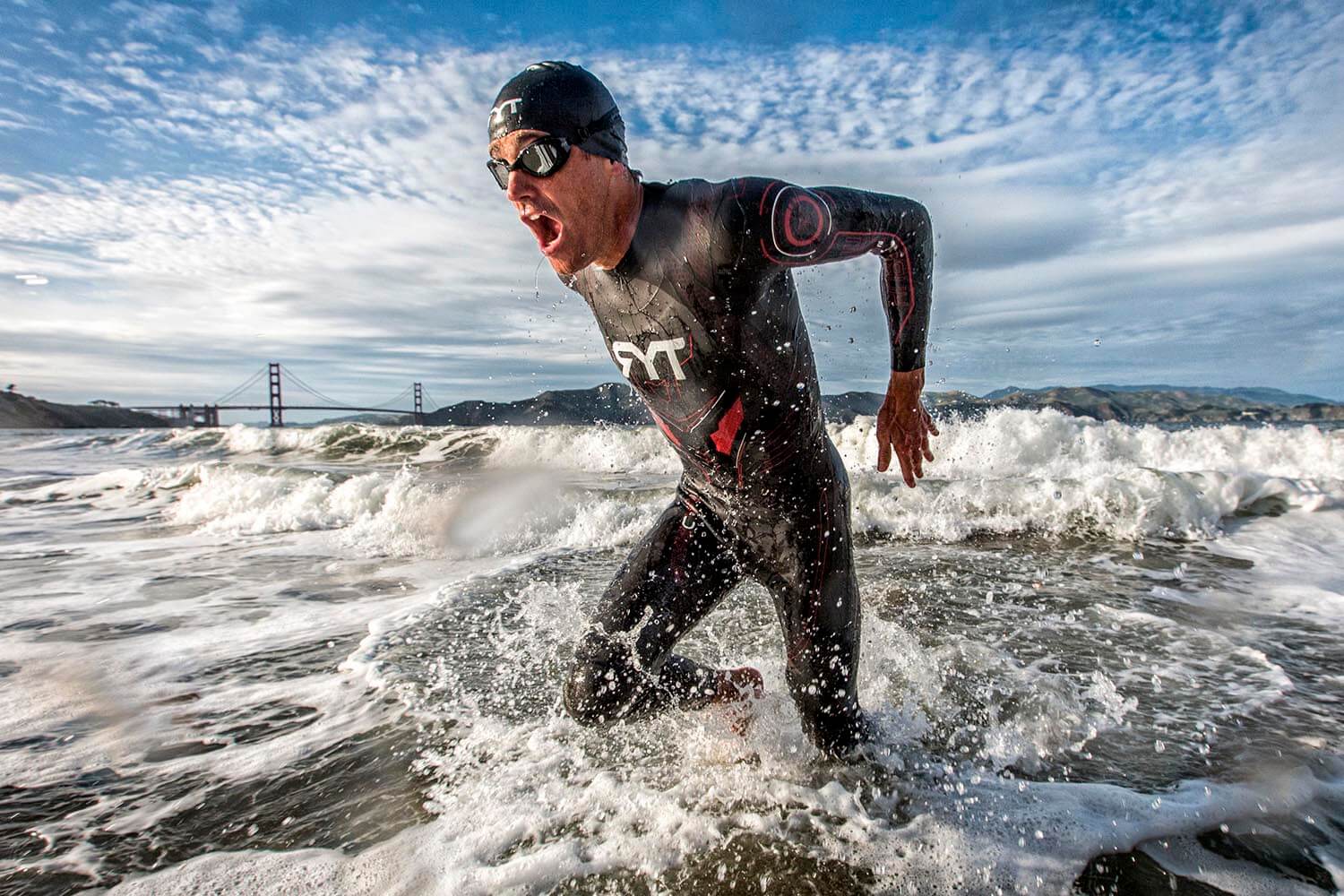
Swimming in an open ocean triathlon can be both an exhilarating and intimidating experience. Unlike pool swimming, the ocean presents unique challenges such as waves, currents, and temperature variations. But with the right preparation and mindset, you can tackle the open water like a pro. In this guide, we’ll explore essential tips and techniques to help you navigate your next ocean triathlon swim with confidence.
Understanding the Ocean Environment

1. Know the Conditions
Before you dive in, it’s crucial to understand the specific conditions of the ocean where the triathlon will take place. Pay attention to:
- Water Temperature: Check the temperature and decide if a wetsuit is necessary.
- Wave Height: Larger waves can be more challenging to swim through.
- Currents: Familiarize yourself with any tidal or water currents that could impact your swim.
2. Get Acquainted with the Location
If possible, visit the site before the event. Practice swimming in the same conditions you will face during the triathlon. This will help you become more comfortable and identify potential hazards.

Preparing for the Swim
1. Train in Open Water
While pool training is essential, nothing beats the experience of swimming in open water. Try to incorporate at least one open water swim each week leading up to the triathlon. This will help you build confidence and improve your sighting skills.
2. Work on Your Technique
Effective swimming technique is crucial in open water. Focus on:
- Breathing: Practice bilateral breathing to maintain balance and sighting.
- Body Position: Keep your body streamlined to reduce drag.
- Kick Technique: Use a steady, controlled kick to maintain momentum.
Race Day Tips
1. Arrive Early
On race day, give yourself plenty of time to set up your transition area, warm up, and mentally prepare. Arriving early also allows you to familiarize yourself with the swim course.
2. Warm Up Properly
A proper warm-up is essential for any race. Take some time to swim in the ocean before the race starts. This will help acclimate your body to the water temperature and ease any pre-race nerves.
3. Stay Calm
The start of a triathlon can be chaotic, but it’s important to stay calm. Focus on your breathing and try to find your rhythm. If you feel overwhelmed, take a moment to float on your back and regain your composure.
During the Swim
1. Sighting
In open water, it’s easy to lose your direction. Practice sighting regularly during your swim by lifting your head to look for buoys or landmarks. Aim to sight every 6-10 strokes to maintain a straight path.
2. Navigating Waves
When swimming through waves, use the following techniques:
- Dive Under: For larger waves, dive under them to avoid being pushed back.
- Ride the Wave: For smaller waves, try to ride them for a boost.
Post-Swim Strategy
1. Transitioning Smoothly
After exiting the water, focus on making a smooth transition to the cycling leg. Have your gear organized and practice your transitions in training to make it as efficient as possible.
2. Hydrate and Refuel
Once you’re on the bike, remember to hydrate and eat a small snack to maintain your energy levels. Your body has just gone through a significant exertion, and it’s essential to replenish your energy.
Conclusion
Swimming in an open ocean triathlon doesn’t have to be daunting. With the right preparation, training, and mental strategies, you can conquer the waves and enjoy the experience. Remember, every swimmer is different, so find what works best for you and embrace the adventure. Happy swimming, and see you at the finish line!
More in swimming

Swim Workouts for Triathletes: A Comprehensive Guide
For triathletes, mastering the swim leg can offer a significant advantage, setting the stage for the bike and run to follow. This article aims to guide triathletes through effective swim workouts tailored to their unique needs. The gear you’ll need Other than swimsuits, swim cap and google the following gear will come in handy. Kickboard:

Triathlon Swimming & Breaststroke
Do triathlons swim breaststroke? You’re not alone if you are unsure of what stroke to use in your triathlon. Many beginner triathletes find themselves wondering what the best stroke is for them. This blog post will discuss the pros and cons of using breaststroke in triathlons and provide tips on how to swim breaststroke effectively.