
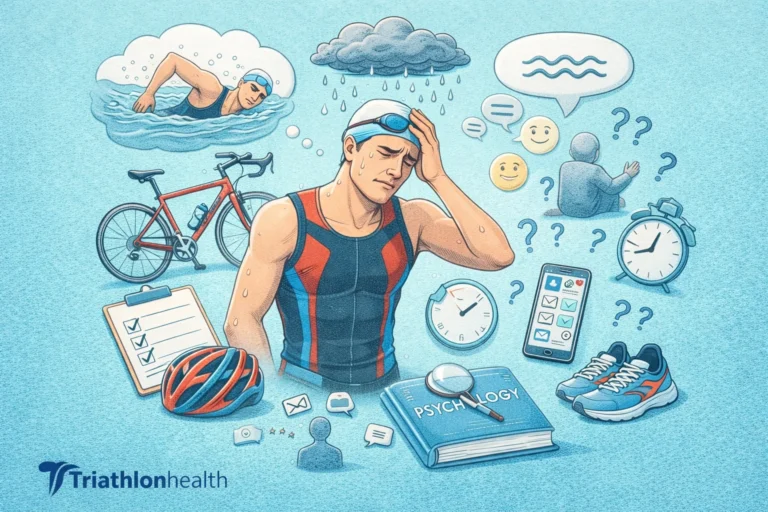
Mental health matters for every athlete, and triathletes face their own set of pressures. This article explains how to identify mental health challenges triathlonhealth, what signs to watch for, and what to do next. You will get practical guidance you can use right away.
Why mental health matters in triathlon
Mental health affects training, performance, and life outside sport. When the mind struggles, workouts often suffer. Small problems can grow into larger ones if they are missed.
A triathlete who ignores anxiety, depression, or burnout can see form drop, sleep fail, and motivation vanish. The body responds to stress, and training quality will change. Coaches and athletes should treat mental health like any other training variable.
Recognizing mental health challenges triathlonhealth should be part of routine care. Talk about mood and stress as openly as you talk about pace and nutrition. Normalizing those talks keeps the team healthy.
The sport asks a lot from the athlete, in time and energy. That pressure makes spotting problems early essential. Early action helps recovery and keeps long-term goals realistic.
Common mental health challenges triathlonhealth athletes face
Triathletes can experience several mental health issues that affect training and life. These conditions may look different in athletes than in the general population. Knowing the common problems helps you identify them sooner.
Below is a clear list of frequent issues seen in endurance athletes. Read the list and consider which signs match what you or your teammates are feeling.
- Anxiety and performance anxiety, which can cause constant worry about training, races, or body sensations.
- Depression, including low mood, loss of interest, and changes in sleep or appetite.
- Burnout, a mix of emotional exhaustion, reduced performance, and cynicism about the sport.
- Overtraining syndrome, where chronic high load leads to mood changes, poor recovery, and persistent fatigue.
- Disordered eating or body image concerns, which sometimes develop in sports with weight and body expectations.
- Sleep disturbance, affecting recovery and mood, often driven by stress or erratic schedules.
- Perfectionism and obsessive traits, which lead to rigid training habits and distress when plans change.
Each of these issues may overlap. A triathlete can experience anxiety and sleep problems at the same time, for example. Treat each case with care and avoid quick assumptions.
Understanding these common conditions helps coaches set realistic goals. It also gives athletes permission to seek help without shame. Mental health care improves both life and sport.
Signs and warning signals to watch for
Knowing the signs is the first practical step. Not all signs mean a mental health disorder, but a pattern of signs over weeks deserves attention. Watch for changes that are out of character for an athlete.
The following list groups common warning signals into mood, behavior, and performance changes. Use it as a checklist when you notice shifts in someone close to you.
- Mood changes, such as persistent sadness, irritability, or heightened worry.
- Behavior changes, including withdrawal from teammates, loss of interest, or risky behavior.
- Performance drops that do not respond to tapering, rest, or coaching adjustments.
- Sleep and appetite shifts, like insomnia, hypersomnia, or marked changes in eating patterns.
- Motivation loss, with training feeling like a burden rather than a source of joy.
- Physical complaints without clear cause, such as headaches, stomach pain, or unusual fatigue.
When you combine a few of these signs and they last more than two weeks, plan a deeper check-in. A single off day is normal, but ongoing patterns are not.
Record changes in mood and sleep for a few weeks. That record can help a clinician make a faster assessment later on.
Risk factors specific to triathlon training
Triathlon training includes long hours, multiple disciplines, and frequent travel. These elements create specific risk factors for mental health issues. Identifying those risk points helps prevent problems.
Higher risk often shows up around intense training blocks, post-race blues, and during injury recovery. Each of these moments reduces control and can increase stress. The athlete may feel isolated during these periods.
Other risk factors include high self-expectation, perfectionism, lack of social support, and unstable sleep. Financial pressure and balancing work or school with training can add to stress. Youth athletes may face different family and school pressures.
Environmental factors matter too. Poor coaching relationships, a culture that rewards overtraining, or teammates who stigmatize mental health can all increase risk. Coaches should watch how team culture shapes behavior and language.
How to assess and track mental health during training
Regular assessment lets you spot trends before a crisis. Use brief tools and check-ins that fit into training life. The goal is early detection and manageable steps, not diagnosing complex conditions alone.
Start with simple, daily check-ins about mood, sleep, and energy. Add weekly notes on motivation and enjoyment. Keep entries short so tracking becomes routine. These small habits build a clear picture over time.
Below is a compact list of practical assessment tools you can use. Each tool is easy to add to a training log or athlete diary.
- Mood and energy scale, a one to five rating each day for mood and energy.
- Sleep log, recording total sleep time and quality.
- Training enjoyment, a weekly note on how enjoyable sessions felt.
- Stressors list, a short weekly list of life stressors outside training.
- Recovery check, tracking soreness, resting heart rate, and perceived readiness.
Share summary reports with coaches or a trusted teammate when patterns show. Honest communication helps your support team act quickly. Record keeping removes guesswork from hard conversations.
When assessment shows persistent decline, seek a mental health professional with sports experience. They can give a fuller evaluation and a treatment plan tailored to training demands.
Practical coping strategies and training adjustments

Once signs appear, apply concrete coping steps that fit an athlete’s schedule. Small changes to training, sleep, and routine can reduce symptoms quickly. The key is consistency, not perfection.
Below is a list of practical strategies athletes can try on their own or with coach support. Each idea can be adjusted to match the athlete’s level and season.
- Short, structured rest, plan a brief break from hard sessions to reset both body and mind.
- Reduce volume, keep intensity, lower total training load but maintain short quality sessions to protect fitness.
- Mindfulness and breathing, 5 to 10 minutes daily can lower arousal and improve focus.
- Sleep hygiene, consistent bedtimes, limiting screens, and addressing caffeine intake.
- Goal adjustment, break long-term goals into smaller, immediate targets to restore motivation.
- Social check-ins, schedule regular team or friend meetings to reduce isolation.
Coaches should plan gradual returns to full load, with clear metrics to judge readiness. Use training data and the athlete’s subjective reports together. Avoid pushing an athlete back to full load before the signs have improved.
Small behavioral steps add up. A week of consistent sleep and two low-intensity training days can improve mood and clarity. Celebrate those small gains to keep motivation high.
When and how to seek professional help
Some problems need a clinician. Mental health professionals bring tools that are not part of coaching, such as therapy and medication options. A timely referral improves outcomes and reduces time away from training.
Consider professional help when symptoms last two weeks or more, or when they severely affect daily life and safety. If an athlete has suicidal thoughts, seek emergency care immediately. Safety always comes first.
Here are steps to find the right help. Use them as a guide when you decide to refer an athlete or to seek help yourself.
- Start with a trusted primary care provider, who can rule out physical causes and make referrals.
- Choose a clinician with sports experience, if possible, for context on training and competition pressures.
- Use short-term therapy options, like cognitive behavioral therapy for anxiety and depression, which often helps athletes quickly.
- Consider a multidisciplinary team, including a psychologist, nutritionist, and sports physician for complex cases.
- Keep training conversations open, so the clinician and coach can coordinate safe return-to-play plans.
Insurance, cost, and access are real barriers. Coaches and teammates can help by locating low-cost resources and supporting scheduling needs. Many clinicians now offer telehealth, which can fit an athlete’s travel schedule.
Record improvements and share them with the treating clinician and the coach. This teamwork shortens recovery time and protects long-term athletic potential.
Supporting teammates and coaching with care
Teams that support mental health perform better together. Teammates and coaches often notice subtle changes first. Learning how to respond with care makes a big difference.
Start conversations in a calm, private way. Use simple phrases that show concern without judgment. Ask open questions and listen more than you speak. The goal is to offer support and to connect the athlete to resources.
Below are concrete steps for coaches and teammates who want to help. These actions create a safe environment where athletes can ask for help.
- Regular check-ins, a private weekly or biweekly chat about life, not just pace.
- Normalize help-seeking, by sharing that everyone has mental health needs at times.
- Flexible training plans, adapt load without making the athlete feel punished for being honest.
- Referral pathways, have a short list of local clinicians or hotlines ready to share.
- Team education, occasional workshops on sleep, stress, and recovery for all members.
When you support another athlete, be mindful of boundaries. You can listen and suggest help, but you are not a clinician unless trained. Encourage professional care when needed, and follow up to show ongoing support.
Coaches should model balance in their own lives, showing that rest and mental health are priorities. That modeling helps change team culture over time.
Prevention and building mental resilience
Prevention reduces the chance of serious declines. Building resilience means strengthening coping skills before a crisis. This work pays off in both life and sport performance.
Preventive steps should be part of yearly planning. Include mental health checks in pre-season, set recovery weeks, and teach coping skills during base training. Routine prevention lowers cumulative stress.
Here are practical prevention actions any team can adopt. They are simple to start and fit into normal training rhythms.
- Education, brief talks on sleep, stress, and signs to watch for.
- Routine tracking, simple daily mood and sleep logs to spot trends early.
- Recovery culture, normalize rest days and mental breaks during long seasons.
- Skill building, teaching breathing, focus techniques, and goal setting.
- Access to support, making referrals available and known to all athletes.
Prevention is not about making athletes worry more. It is about giving them tools so they can train longer and enjoy the sport. Resilience training helps athletes face setbacks with less harm.
When prevention is consistent, teams notice fewer mid-season collapses and faster returns from injury. The benefits show up over months and years, not just one race.
Key Takeaways
Identifying mental health challenges triathlonhealth requires attention, routine checks, and an open team culture. Mental health affects training and life, and early action makes recovery faster and safer.
Watch for mood shifts, performance drops, sleep changes, and withdrawal. Use simple daily tracking and regular check-ins to spot patterns. Keep communication clear and supportive rather than judgmental.
Apply practical steps like planned rest, sleep hygiene, and brief mindfulness exercises. When signs persist, seek a clinician with sports experience and coordinate return-to-play with care.
Remember to support teammates with kindness, maintain boundaries, and keep a short list of resources. For quick reference, the phrase triathlonhealth mental challenges can help you find tailored advice and community discussions on these topics.
Stay curious, stay kind, and treat mental health as part of every training plan. That approach keeps athletes healthy, fulfilled, and ready to compete for the long term.