
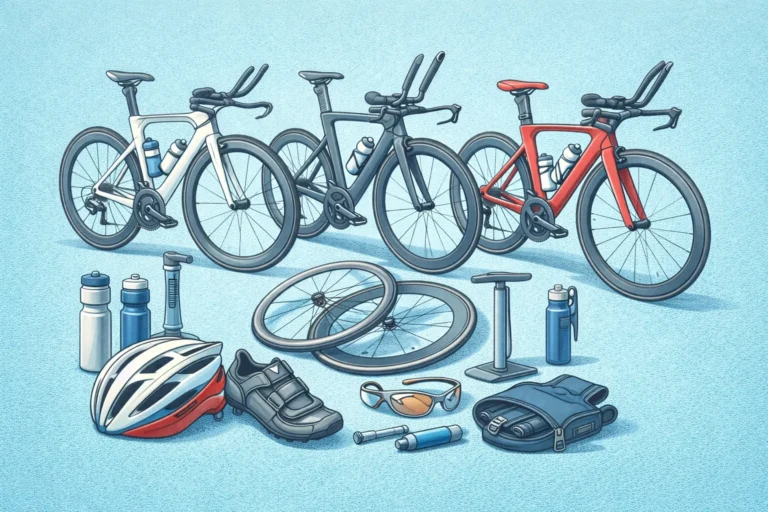
Triathlon bikes are a major investment for athletes who want speed and efficiency on race day. As a triathlon journalist and bike expert I will walk you through what matters when you shop. This guide covers frames, fit, components and the gear that helps you perform.
Why triathlon bikes matter
Triathlon bikes are built for the clock. They focus on aerodynamics and a riding position that saves time over long distances. The right bike can cut minutes from a race and make your ride feel easier.
Beyond speed, a triathlon bike can improve comfort during long efforts. The geometry and cockpit options help you hold an efficient position without wasting energy. That adds up over a full race.
Choosing the right triathlon bikes is not just about getting the fastest frame. It is also about matching the bike to your body, goals and race distances. The right match makes training better and racing more enjoyable.
As an expert I look for practical value. I test how bikes handle real-world roads. I also check whether a bike fits easily into a training routine and whether it supports upgrades and service over time.
Key features to look for

Before you buy, know the core features that matter. These features impact speed, comfort and long-term value. I will explain each feature clearly so you can compare options with confidence.
Look at frame material and shape first. Carbon frames are common because they balance weight, stiffness and the ability to shape tubes for aerodynamics. Aluminum is budget friendly and can be lighter than older carbon designs in some cases.
Wheel choice and tire clearance matter next. Deep-section wheels cut wind drag but they can be affected by crosswind. Make sure the wheels that come with the bike are compatible with the tires you want to run and with any local race rules.
Before a list, here is a short lead-in sentence that highlights the most important features to compare. Use it as a checklist when you inspect a bike in person or online.
- Frame geometry – Look for tri-specific frames that put you in a forward, aerodynamic position without sacrificing comfort.
- Material – Carbon for performance; aluminum for value; some frames mix both for targeted stiffness.
- Integrated cockpit – A tidy cockpit improves aerodynamics but must allow comfortable adjustment.
- Wheel and tire compatibility – Ensure clearance and rim depth match your road and wind conditions.
- Brake type – Disc brakes offer better modulation and stopping in wet conditions; rim brakes save a little weight and are easier to service in some places.
- Mounting options – Storage for bottles, bento boxes and race mounts keeps you organized on race day.
Types of triathlon bikes
Triathlon bikes come in a few clear types. Each type suits different riders and race formats. I test bikes across these types to help athletes choose what fits their plan.
Time trial oriented frames aim for absolute speed. They feature aggressive aerodynamics and often use steep seat tube angles to position the rider forward. These are best for flat, fast races and for riders who can handle a more extreme position.
Endurance triathlon bikes blend aero benefits with more comfort. They keep you slightly more upright and reduce stress on the back and neck. These bikes work well for middle and long course events where comfort over hours matters.
Hybrid race frames try to bridge the gap. They take aero cues from pure time trial bikes but keep a friendlier fit. These often give the best everyday value for athletes who train hard and race varied courses.
Before the next list, read this simple sentence that introduces the common bike styles and who they suit. Use this list to match a bike type to your events and goals.
- Time trial (TT) bikes – Suited for short, flat courses and athletes focused on raw speed.
- Full triathlon bikes – Built specifically for triathlon shape and race-day integration of hydration and storage.
- Endurance aero bikes – Good for longer races and riders who value comfort with aero gains.
- Road bikes with aero upgrades – A flexible choice for those who race sometimes and ride often.
Choosing the right fit
Fit is the most critical factor after the bike type. A great frame can be ruined by a poor fit. A correct fit helps you hold the aero position and keeps your power output steady for the whole ride.
Start with a professional bike fit when possible. A good fitter will set stack and reach for your body. They will also advise on saddle choice, cleat position and handlebar setup. These small details add up on race day.
Frame size charts are useful but not final. Two riders with the same height may need different stack and reach. Test rides help confirm comfort and control. Pay attention to how your neck and back feel after a longer ride.
Here is a short lead-in sentence to the list of fit checks you should perform before you buy. Use this as a quick test during a demo ride or fitting session.
- Ability to maintain aero position – You should be able to hold a timed position for the expected race duration.
- Neutral shoulder and neck comfort – No sharp strain in the neck after 30 to 60 minutes.
- Reach to extensions – Extensions should be within comfortable reach without overreaching the shoulders.
- Knee tracking – Pedal stroke should be smooth and knees should track straight in the sagittal plane.
Essential bike accessories
Accessories can change your race setup and your finish time. They help with nutrition, comfort and mechanical resilience. I always test bikes with realistic accessory setups because they matter a lot in the real world.
When you buy a bike, check what accessories are included and what you will need to add. Some bikes come with integrated storage or hydration systems. Others leave that to aftermarket options.
Many stores include a section labeled ‘bike accessories triathletes‘ which lists common items. It is smart to compare those lists and to prioritize items that save seconds or reduce race stress.
Before you read the list, here is a lead-in sentence that explains what the following accessories do and why they matter. These are practical items you will use in training and racing.
- Aero bars and pads – Comfortable pads help you hold the aero tuck for longer. Try different pad widths and shapes during training.
- Bento box or top-tube storage – Easy access to gels and small items without breaking position.
- Hydration systems – Front-mounted or behind-saddle systems keep you fuelled and in position.
- Spare tube and mini-pump or CO2 – Quick fixes for flats to keep you in the race.
- Clip-on mirror or rear-view system – Improves safety and helps you sense passing traffic in training rides.
- Shoe-pedal system – Choose a pedal that balances power transfer with easy exit under stress.
Care and maintenance
Keeping a triathlon bike in top shape saves money and keeps performance steady. Regular care prevents small issues from slowing you down on race day. Simple routines yield big benefits.
Clean the bike after wet or dusty rides. Wipe down the frame, chain and drivetrain. Check bolts and headset for tightness every few rides. Routine checks reduce the risk of mechanical problems during a race.
Service the drivetrain and brakes at recommended intervals. Replace chainrings and cassettes when wear is noted. A fresh chain and tuned gears keep shifting crisp and efficient.
Before the next short list, read this sentence that introduces some key maintenance tasks you can do at home. These tasks are simple and keep your bike ready to race.
- Chain cleaning and lubrication – Clean and lube the chain every 200 to 300 miles or after wet rides.
- Brake pad and rotor check – Inspect for wear and replace before performance drops.
- Tire pressure and condition – Use the right pressure for the tire and course conditions. Check for cuts and wear.
- Quick visual check – Before each ride, scan for loose bolts, damaged tires and suspicious noises.
Training tips for race day
Train on the bike you plan to race whenever possible. Positioning, handling and pacing are unique to triathlon bikes. Practice in race gear so you know how it feels under load.
Include sustained efforts in the aero position. These help your body adapt to the posture and improve your power output in that tuck. Start with short intervals and increase duration gradually.
Practice nutrition and hydration from on-bike systems. Race day problems often come from untested food or bottles. Rehearse feeding while holding aero bars and while changing effort over rolling terrain.
Before the list, here is a final lead-in sentence that highlights practice items to include in your routine. Use these as weekly checkpoints during base and race build phases.
- Aero threshold sets – 2 to 3 sets of 10 to 20 minutes at sustainable race pace, in aero position.
- Brick workouts – Practice the bike to run transition to dial in pacing and muscle readiness.
- Handling drills – Cornering and headwind practice to build bike handling confidence.
- Race simulation – Full distance or shortened bricks with race nutrition and kit to rehearse logistics.
Key Takeaways
Triathlon bikes make a clear difference when they match your body and race goals. Focus first on fit, then on the features that support your course and conditions. Spend time on a proper bike fit to protect your body and improve speed.
Pick the right type of frame for your events. Time trial frames deliver raw aero gains for flat races. Endurance aero frames give more comfort for longer races. Hybrid options offer flexible value for many athletes.
Don’t forget accessories and maintenance. Practical items and regular care keep you fast and reduce stress on race day. Also practice on the bike you will use in races so position and fueling become second nature.
As a triathlon journalist and experienced tester I recommend testing bikes with real training loads. That approach helps you choose a bike that fits your body, matches your goals and performs reliably on race day. Happy riding and strong races ahead.