
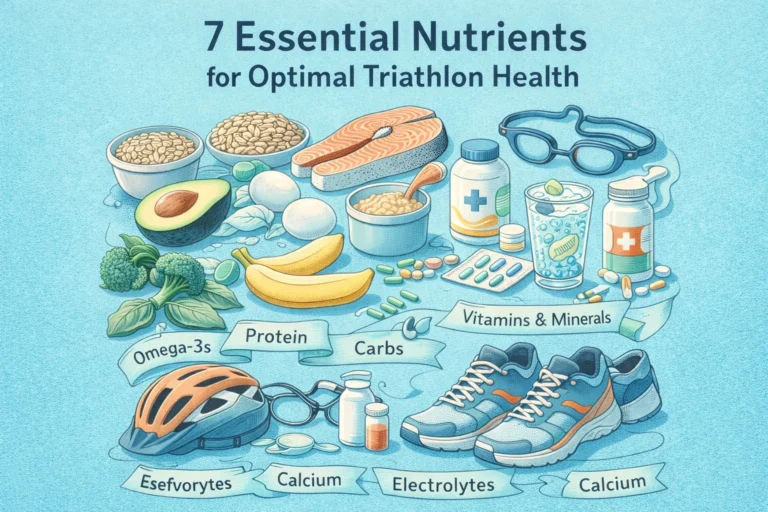
A clear nutrition plan gives you energy, speeds recovery, and reduces injury risk. This article focuses on triathlonhealth nutrients that matter most for training and racing. You will learn what each nutrient does, how much you may need, food sources, and practical ways to include them before, during, and after workouts.
Why triathlonhealth nutrients matter for performance
Nutrition is not extra work for a triathlete, it is part of training. The right nutrients influence how hard you can train, how fast you recover, and how well you perform on race day. Small changes can have big effects over weeks and months.
Endurance training stresses muscles, the immune system, and energy stores. If you do not replace what you use, your body adapts poorly. That can mean slower runs, weaker swims, or higher injury risk. Paying attention to triathlonhealth nutrients gives you control over these risks.
Good nutrition supports both short-term workouts and long-term fitness gains. It also helps manage weight, power output, and mental focus. For triathletes, nutrition is a tool you can plan and measure. The rest of the article explains the seven key nutrients and how to use them.
Overview of the 7 essential triathlonhealth nutrients
This section lists the seven nutrients I consider essential for triathletes. Each one affects a different part of training or performance. You will find detailed guidance for each nutrient in the sections that follow.
The seven essential triathlonhealth nutrients covered here are: carbohydrates, protein, healthy fats including omega-3s, iron, calcium and vitamin D, electrolytes (sodium, potassium, magnesium), and B vitamins. Each plays a specific role and they work together.
After you read the detailed sections, you will have practical tips to add these nutrients to daily meals, training snacks, and race fueling. You will also learn how to test levels and when supplements can help.
Carbohydrates: the primary fuel for endurance
Carbohydrates are the main source of energy for long efforts. Your muscles store carbs as glycogen. During long rides and runs, those stores drop and performance falls. Carbohydrate intake before and during activity keeps pace high and delays fatigue.
Carb needs change with training load. Light days require less carbs. Long sessions and intervals require more. Most triathletes benefit from a plan that raises daily carbs on heavy training days and reduces them on rest days.
Carbs also help recovery. Consuming carbs after hard work helps refill glycogen so your next session is productive. Pairing carbs with protein after training improves muscle repair. Timing matters as much as total grams on busy training weeks.
Here are good carbohydrate sources and how to use them during training and racing.
- Whole grains, like oats, brown rice, and whole wheat pasta, for steady energy.
- Fruits, for quick sugars and micronutrients before or during sessions.
- Sports drinks, for carbs plus hydration during long workouts and races.
- Energy gels and chews, for compact, high-carb fuel during races.
- Potatoes and sweet potatoes, dense sources for pre-race meals.
Protein: repair, adaptation, and immune support
Protein repairs muscle tissue and supports adaptation to training. When you do intervals or strength work, you create small muscle damage. The body uses amino acids from protein to rebuild stronger muscle fibers. Without enough protein, recovery is slower.
Protein also supports the immune system. Heavy training suppresses immunity temporarily. Adequate protein and the right timing around workouts help reduce illness risk. For many triathletes, protein needs are higher than for sedentary people.
Spread protein across the day. Eating 20 to 30 grams at each meal and snack keeps amino acids available for recovery. Combine protein with carbs after workouts for best results. This practice improves both repair and glycogen recovery.
Below are practical protein choices and tips to fit them into a busy training schedule.
- Lean meats, like poultry and lean beef, provide complete amino acid profiles.
- Fish, which adds protein and healthy fats, especially oily fish.
- Eggs, an affordable source with high biological value.
- Dairy, such as yogurt and cottage cheese, offers protein plus calcium.
- Plant proteins, like lentils, chickpeas, and tofu, for variety and fiber.
Healthy fats and omega-3s: long-term health and recovery
Fats are a dense energy source for lower intensity training and long rides. Healthy fats also support hormone balance, cell membranes, and brain health. Omega-3 fatty acids, in particular, reduce inflammation and help recovery after hard sessions.
Many athletes reduce fat too much while focusing on carbs. This can be a mistake. Fats are essential, and timing them away from immediate pre-race meals helps performance. During recovery, fats support nutrient absorption and overall health.
Include omega-3s regularly. Small, steady amounts from food are best. If you do not eat oily fish twice per week, consider a supplement after checking with a clinician. Supplements are useful when dietary intake is low.
Here are reliable sources of healthy fats and omega-3s to add to meals.
- Oily fish, like salmon, mackerel, and sardines, rich in EPA and DHA.
- Nuts and seeds, such as walnuts, chia, and flax, for ALA omega-3s and fiber.
- Avocado, versatile and rich in monounsaturated fat.
- Olive oil, for cooking and dressings.
- Nut butters, convenient on toast or in smoothies for added calories.
Iron: oxygen delivery and endurance capacity
Iron helps carry oxygen in the blood and supports energy production in cells. Low iron reduces endurance quickly. Many endurance athletes, especially female athletes, face iron losses from sweat, foot strike, or menstrual blood loss.
Symptoms of low iron include fatigue, decreased power, and poor recovery. These signs can look like overtraining, so testing is crucial before jumping to conclusions. Ferritin is the lab test commonly used to assess iron stores.
Dietary iron comes in two forms: heme iron from animal foods, which is absorbed well, and non-heme iron from plant foods, which is less well absorbed. Pair non-heme iron with vitamin C to improve absorption. Do not start iron supplements without testing and medical advice, because excess iron can be harmful.
Consider these iron-rich foods and tips to boost absorption during meals.
- Red meat, one of the best sources of heme iron.
- Poultry and fish, for moderate heme iron and variety.
- Legumes, such as lentils and beans, for plant-based athletes.
- Dark leafy greens, like spinach, combined with vitamin C sources.
- Fortified cereals, check labels for iron content and sugar.
Calcium and vitamin D: bone health and muscle function
Calcium builds and maintains bones, and vitamin D helps your body use calcium. Triathletes need strong bones to handle training stress and reduce fracture risk. This is especially true for athletes who add running volume and for those who train frequently on hard surfaces.
Vitamin D also supports muscle function and immune health. Many athletes, particularly those in northern climates or who train indoors, have low vitamin D levels. Regular testing is a useful way to find deficiency and correct it safely.
Food alone may not deliver enough vitamin D, depending on sun exposure. Fortified foods and supplements are common strategies. For calcium, include dairy or fortified plant options, and monitor total intake to meet needs across the day.
Use the following foods and habits to support bone health through calcium and vitamin D.
- Dairy products, like milk, yogurt, and cheese, for calcium and protein.
- Fortified plant milks, for calcium and added vitamin D where needed.
- Fatty fish and fortified cereals, sources of vitamin D.
- Sun exposure, short, safe periods can increase vitamin D naturally.
- Weight-bearing training, such as strength sessions, which support bone density.
Electrolytes: fluid balance and muscle function
Electrolytes, including sodium, potassium, and magnesium, control fluid balance and muscle contractions. During long workouts and hot races, the loss of electrolytes through sweat can cause cramps, dizziness, or worse. Replacing them helps maintain work rate and focus.
Sodium is the most often depleted electrolyte during long, salty sweat losses. Some athletes need regular sodium intake during long sessions, while others manage well with plain water and food. Individual sweat testing can help identify needs.
Potassium and magnesium help with cell function and muscle relaxation. Foods rich in these minerals also provide carbs and calories, making them convenient for real-world fueling. Use sports drinks, salty snacks, or electrolyte tablets during long efforts depending on taste and tolerance.
Below are common electrolyte sources and practical fueling options you can carry on long rides or runs.
- Sports drinks, combine water, carbs, and sodium for long sessions.
- Bananas and potatoes, good sources of potassium with carbs.
- Electrolyte tablets or powders, for compact sodium and mineral replacement.
- Salted crackers or pretzels, simple sodium-rich snacks during rides.
- Nuts and seeds, deliver magnesium and calories for longer workouts.
B vitamins: energy metabolism and recovery
B vitamins act as co-factors in energy production. They help convert carbs, fat, and protein into usable energy during training. Low B vitamin status can lead to low energy, poor concentration, and slower recovery.
B vitamins include several compounds, such as B1, B2, B3, B6, and B12. Each has a role, and a balanced diet usually supplies enough of them. Vegetarians and vegans should pay attention to B12, which is mainly found in animal foods and fortified products.
If you eat a varied diet with whole grains, lean meats, dairy, and vegetables, your B vitamin needs are likely covered. If you follow restricted diets or have absorption issues, testing and targeted supplementation may be useful under guidance.
Here are food sources that help meet B vitamin needs for triathletes.
- Whole grains, such as oats and brown rice, provide B1 and B3.
- Lean meats and fish, rich in B12 and B6.
- Dairy and eggs, good for B2 and B12 in mixed diets.
- Legumes and nuts, for B vitamins plus fiber and minerals.
- Fortified cereals, which can add B vitamins for restricted diets.
How to time and plan triathlonhealth nutrients for training and race day

Timing nutrients matters as much as total intake. Pre-workout carbs top up energy. Protein after workouts helps repair. Electrolytes during long sessions maintain pace and prevent cramps. Plan meals around training to make the work you do count.
Before hard sessions, eat a solid meal 2 to 3 hours prior with carbs, some protein, and low fat to avoid stomach upset. If you need food within an hour of starting, choose easily digested carbs like a banana or a small sports drink. Trial different options in training to avoid surprises on race day.
During sessions longer than 60 to 90 minutes, aim for 30 to 90 grams of carbs per hour depending on intensity and gut tolerance. Add sodium for sweat loss. Use real food on lower intensity sessions and portable products like gels and chews when you need convenience.
The following list provides simple timing strategies to follow during a typical training day and race day.
- 2-3 hours pre-workout, meal with carbs and protein, moderate fat.
- 30-60 minutes pre-workout, small carb snack or sports drink if needed.
- During long sessions, 30-90 g carbs per hour and sodium as needed.
- Post-workout, 20-30 g protein plus carbs within 30-60 minutes.
- Night, a balanced meal with protein to support overnight recovery.
Testing, monitoring, and working with professionals
Testing nutrient status takes guesswork out of planning. Blood tests can assess iron, vitamin D, B12, and other markers. Regular testing is especially useful during heavy training cycles or if you feel fatigued despite rest and good sleep.
Work with a sports dietitian or clinician who understands triathlon training. They can interpret labs, recommend safe supplements, and create meal plans that match training load. A coach and dietitian together can align nutrition with workouts to maximize adaptations.
Keep a food and training log for several weeks. That helps professionals spot patterns that contribute to loss of energy or poor recovery. It also highlights practical barriers, like limited time for meals, which can be solved with targeted strategies.
Here are common tests and monitoring strategies triathletes use to track nutrient status.
- Ferritin and hemoglobin, to assess iron stores and anemia risk.
- 25-hydroxy vitamin D, for vitamin D status and supplementation needs.
- Basic metabolic panel, to check electrolytes and kidney function.
- Vitamin B12, for vegetarians or athletes with absorption concerns.
- Dietary logs, to track daily calories, macros, and nutrient variety.
Supplements: when they help and how to choose them
Supplements can fill gaps when food alone is not enough. They are tools, not replacements for a solid diet. Use supplements after testing or professional advice and choose reputable brands with third-party testing when possible.
Common supplements for triathletes include iron when deficiency is confirmed, vitamin D for low blood levels, omega-3s when fish intake is low, and sports products like gels and recovery powders for practical fueling. Avoid high-dose formulas without clear need.
Start supplements well before a race to confirm tolerance. Some supplements affect digestion or interact with medications. Discuss plans with a clinician and record how you feel on them during training to decide whether to continue.
Below are supplements often used by triathletes, with brief notes on when they may be appropriate.
- Iron supplements, only with low ferritin and medical supervision.
- Vitamin D, when blood tests show deficiency or low-normal levels.
- Omega-3 fish oil, if intake from food is low and inflammation is a concern.
- Electrolyte powders, for long training sessions and hot races.
- Protein powders, for convenience after sessions or when dietary protein is low.
Sample daily meal plan for a hard training day
Below is a practical sample day that puts the seven triathlonhealth nutrients into real meals. Use it as a template and adjust portions to your weight, training load, and taste. The key idea is balance and timing around sessions.
Start with a good breakfast, fuel during a long ride or run, and finish with a recovery meal that combines carbs and protein. Snacks throughout the day help maintain energy and supply key micronutrients.
Here is a sample meal plan that covers the main nutrient groups and timing for a morning hard session and afternoon swim.
- Breakfast: Oatmeal with banana, walnuts, and milk. This provides carbs, B vitamins, healthy fats, calcium, and some protein.
- Pre-ride: Small toast with honey or a sports drink 30 to 45 minutes before the session for quick carbs.
- During long ride: Sports drink with sodium, energy gels if needed, and a small sandwich at the halfway point for sustained carbs and electrolytes.
- Post-ride: Smoothie with milk, whey or plant protein, frozen berries, and a tablespoon of chia seeds for protein, carbs, omega-3s, and vitamin C to help iron absorption.
- Lunch: Grilled salmon salad with mixed greens, sweet potato, and quinoa. This supplies omega-3s, iron, calcium, carbs, and B vitamins.
- Snack: Yogurt with fruit and a small handful of almonds for calcium, protein, and healthy fats.
- Dinner: Chicken or tofu stir-fry with brown rice and a variety of vegetables. Finish with a small piece of dark chocolate for flavor and antioxidants.
Common mistakes and how to avoid them
Even experienced triathletes make nutrition mistakes that cost performance. Common errors include under-fueling, relying on a single food type, and starting supplements without testing. Awareness and small changes prevent these problems.
Under-fueling on high-volume days blunts adaptations. Relying only on bars or gels can cause gut trouble. Skipping tests can lead to missed deficiencies or unsafe supplementation. A plan that matches training, recovery, and monitoring reduces these risks.
Practical fixes are simple. Plan meals and snacks around training. Vary food sources to cover micronutrients. Test blood levels when symptoms appear. Track your response to new foods and supplements, and adjust gradually.
Here are quick tips to avoid the most common nutrition pitfalls for triathletes.
- Plan fueling, match calories and carbs to training load and change day to day.
- Variety, include animal and plant sources unless you follow a clear, tested vegan plan.
- Test before supplementing, use lab data to guide iron and vitamin D decisions.
- Practice race nutrition, never try a new product on race day.
- Sleep and hydration, they interact with nutrition and recovery in big ways.
Key Takeaways
triathlonhealth nutrients are the foundation of sustainable training and peak race performance. Focus on carbohydrates for fuel, protein for repair, and healthy fats for long-term health. Iron, calcium plus vitamin D, electrolytes, and B vitamins fill critical roles and should be monitored.
Plan meals and timing around training sessions. Test nutrient status when you feel off or during major training blocks. Use supplements wisely and under guidance when food does not meet your needs. Practice everything in training so race day is predictable.
With clear habits and simple adjustments, you can turn nutrition into a consistent advantage. Small, steady improvements add up and help you train harder, recover faster, and race smarter. Start with one nutrient focus this week, and build from there.
Keep a simple log, get a few key tests if needed, and consult a sports dietitian for tailored plans. That approach makes using triathlonhealth nutrients practical and effective for any triathlete, from beginner to pro.