
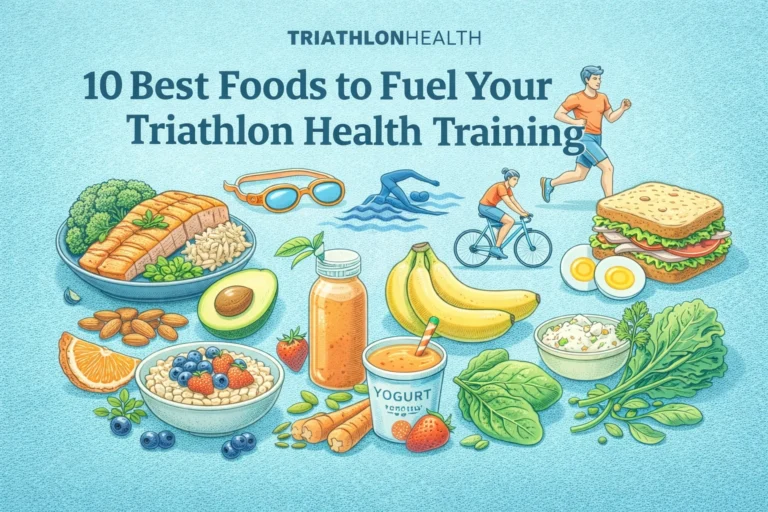
To perform well in swim, bike, run, you need food that fuels endurance, recovery, and daily training. This article lists the best foods for triathlon health, explains why each food works, and gives practical tips you can use this week. Read on for clear, trainer-style advice and simple meal ideas that match busy schedules and long workouts.
Why the best foods for triathlon health matter
Good food heals your muscles and refills energy stores. For triathletes, this matters more than for casual exercisers. You train for long durations, and the wrong meals can leave you tired or sore, even with good training sessions.
Foods that match training needs help with stamina and recovery. Carbohydrates top up glycogen, proteins repair tissue, and healthy fats support long efforts. Micronutrients help muscle function and immune health, which keeps you training consistently.
Choosing the best foods for triathlon health also reduces injury risk. When your body gets steady fuel, you recover faster and avoid overtraining. Simple changes in daily meals often lead to better sessions and steadier progress.
How to use this guide
This guide picks foods that are easy to find, affordable, and useful across training phases. Use it to build meals for base training, long rides, brick workouts, and race tapering. Each food entry explains timing, portion ideas, and why it helps.
Read the food list first and then the sample meal plan section. The meal plan shows practical timing and portion examples. You can mix foods from the list to match taste and allergies, while keeping key nutrients in focus.
For a commercial decision like buying bars or ready foods, check the sections on snack options and supplements. They mention qualities to look for, like carb-to-protein ratios, ingredient lists, and sodium for longer efforts. This helps when you compare products in stores or online.
10 best foods for triathlon health

Below are ten foods chosen for energy, recovery, and practical use. Each food has a short guide on how to use it before training, during long efforts, and after workouts. The list below names the foods; detailed notes follow for each item.
These selections focus on whole foods first, then easy-to-carry options. For many athletes, whole foods combined with smart packaged items give the best value and control over ingredients.
Read each food’s section to learn about timing, serving ideas, and the key nutrients for triathlon health that each food provides.
- Oats
- Bananas
- Eggs
- Salmon
- Sweet potatoes
- Quinoa
- Greek yogurt
- Nuts and seeds
- Leafy greens
- Beetroot
Oats
Oats are a top pick for steady energy. They digest slowly and keep blood sugar stable, which helps during long efforts. Many athletes use oats for morning training because they provide both carbs and some protein.
You can eat oats hot as porridge or cold as overnight oats. Add fruit, nut butter, or yogurt to increase calories and add protein. For morning brick sessions, aim for a medium bowl 2 to 3 hours before the workout.
Oats supply complex carbohydrates and fiber. They also provide small amounts of iron and B vitamins, which support energy metabolism. If you struggle with gastric distress, try smaller portions and test timing on easy days.
Before lists of ways to use oats, read the short lead-in sentence below for clear ideas you can try immediately.
Here are practical oat options athletes use:
- Overnight oats with banana and peanut butter, eaten 2 to 3 hours before a long ride.
- Hot porridge with honey, cinnamon, and a scoop of protein powder for a recovery meal.
- Oat-based energy bars or muffins for snacks during long training blocks.
Bananas
Bananas are a classic triathlon food because they give quick carbs and potassium. Potassium supports muscle and nerve function, which helps during long sessions and in recovery. They are portable and easy to digest.
A medium banana is a good pre-workout snack 30 to 60 minutes before moderate sessions. For longer rides, pair a banana with a small source of protein or fat to extend energy delivery. Bananas also fit well inside sandwiches or on top of oats.
Many athletes keep bananas in training bags for an easy boost. They also work well with sports drinks as part of a fueling system on the bike. If you want a firmer snack, choose slightly green bananas to slow digestion.
Before seeing snack ideas using bananas, read this sentence that explains the list below.
Simple banana uses that athletes often rely on include:
- Banana with nut butter on whole-grain toast as a pre-long-ride meal.
- Sliced banana in a smoothie with yogurt and oats for a recovery shake.
- Frozen banana pieces blended with cocoa as a low-cost, high-carb frozen treat post-long workout.
Eggs
Eggs are a compact source of high-quality protein and essential amino acids. They help repair muscle after hard sessions and support training adaptation. Many triathletes include eggs for breakfast to combine protein and fat with carbs from toast or potatoes.
You can prepare eggs in many ways, so they fit different routines. Hard-boiled eggs are easy to pack and take on short rides in a cooler. Scrambled eggs with vegetables make a nutrient-dense meal after a long training day.
Eggs also provide vitamins like B12 and choline, which support energy and brain function. If cholesterol is a concern, focus on whole food patterns and discuss intake with a coach or a dietitian.
Below are safe and practical ways to include eggs in your training diet. Read the short intro sentence first.
Try these egg-based options:
- Breakfast scramble with spinach, tomato, and whole-grain toast after a morning swim.
- Two hard-boiled eggs as a quick protein snack after short, intense sessions.
- Egg-and-oat muffins baked ahead for portable post-workout eats.
Salmon
Salmon and other fatty fish bring omega-3 fats, which reduce inflammation and may speed recovery. Salmon is also a good source of high-quality protein and important minerals like selenium. These nutrients support long-term training consistency.
Include salmon in 2 to 3 meals per week, especially on hard training days. Grilled, baked, or canned salmon all work. Canned salmon is a convenient, shelf-stable option for athletes traveling to races or training camps.
Omega-3s can also help joint health and recovery. If you do long multisport training, these fats help keep muscles less sore and aid sleep quality. If you do not like fish, consider algae-based supplements after checking with a health professional.
Read the brief lead-in sentence that explains the small list of serving ideas below.
Serving ideas for salmon include:
- Grilled salmon with quinoa and steamed vegetables for a recovery dinner.
- Canned salmon mixed into a salad or sandwich for travel-friendly protein.
- Salmon with sweet potato and leafy greens after a long Sunday ride.
Sweet potatoes
Sweet potatoes deliver dense carbohydrates and an array of vitamins, notably vitamin A as beta-carotene. They provide sustained energy and are easy to digest for many athletes. They also pair well with both protein and healthy fats.
Use sweet potatoes as a main carb source for recovery meals. They are especially useful after long rides and runs when you need glycogen refilled. Baked, mashed, or roasted options work in meal prep and at restaurants.
Sweet potatoes also add minerals like potassium and magnesium, which support muscle function. If you race in cooler climates, they provide warm comfort and calories that help with recovery and sleep.
Before the list of practical uses, read the lead-in sentence below for quick meal ideas.
Ways to include sweet potatoes:
- Baked sweet potato with cottage cheese and a side salad for a balanced recovery dinner.
- Sweet potato hash with eggs for a high-energy pre-long-ride meal.
- Mashed sweet potato as a carb option in a training camp buffet or potluck.
Quinoa
Quinoa is a complete plant protein that also provides carbohydrates and fiber. It suits athletes who need both carbs and protein in one simple dish. Quinoa cooks relatively fast and can be a base for many meals.
Use quinoa as a swap for rice or pasta in recovery bowls. Combine it with vegetables, a protein source, and a healthy fat for balanced meals. It also works cold in salads for quick race-week lunches.
Quinoa offers iron and magnesium, which support energy production and muscle function. For vegetarian or vegan athletes, quinoa helps keep protein intake high without relying on animal sources.
Read the intro sentence below to see practical quinoa meal ideas you can prepare ahead.
Quinoa meal ideas include:
- Quinoa bowl with black beans, grilled chicken, avocado, and salsa for a training day lunch.
- Quinoa salad with roasted vegetables for a portable, carb-rich meal.
- Warm quinoa porridge with fruit and seeds for a high-carb breakfast on hard training days.
Greek yogurt
Greek yogurt packs protein, calcium, and probiotics, which support gut health. Protein supports muscle repair, while probiotics can help athletes maintain regular digestion during heavy training or travel.
Use Greek yogurt in smoothies, parfaits, or recovery bowls. Combine it with fruit and a grain like oats for a full meal. Choose plain varieties to avoid excess added sugar, and sweeten with honey or fruit if needed.
For quick recovery, combine Greek yogurt with a banana and a spoonful of nut butter. This mix gives carbs, protein, and some healthy fats in a portable and easy-to-digest form.
Below are simple Greek yogurt uses that fit training schedules; read the short lead-in sentence first.
Greek yogurt serving ideas:
- Greek yogurt with granola and berries as a post-swim snack.
- Smoothie with Greek yogurt, banana, and oats for a recovery shake.
- Yogurt-based dips and sauces on grain bowls for extra protein.
Nuts and seeds
Nuts and seeds give concentrated calories, healthy fats, and small amounts of protein. They are ideal for adding calories to meals or for compact snacks on travels. Athletes find them useful between sessions when they need quick but dense energy.
Choose mixed nuts, almonds, walnuts, pumpkin seeds, or chia seeds. Each has slightly different fats and micronutrients. Walnuts and flax provide more omega-3s, while almonds give vitamin E and magnesium.
Be mindful of portion sizes because nuts are calorie dense. A small handful is often enough between sessions. You can also add nut butter to smoothies, oats, or sandwiches for extra calories and flavor.
Read the short lead-in sentence before the list of practical uses below.
How to use nuts and seeds in training:
- Trail mix with dried fruit and seeds for long training sessions when solid food is allowed.
- Nut butter smeared on rice cakes or oats before a long workout for longer energy release.
- Chia seeds added to drinks or puddings for hydration support and extra carbs in long events.
Leafy greens
Leafy greens like spinach, kale, and Swiss chard deliver micronutrients that keep athletes healthy. They provide iron, calcium, vitamin C, and other vitamins important for training adaptation and immune support.
Use greens in salads, smoothies, and cooked dishes. Smoothies with a handful of spinach are an easy way to boost vitamins without changing taste much. Cooked greens pair well with eggs, fish, and grains for recovery meals.
Eating greens regularly helps maintain iron stores and digestive health. If you train hard, combine greens with vitamin C rich foods to help with iron absorption. This practical habit supports long-term training quality.
Read the short intro sentence below to see simple ways to add more greens to your week.
Leafy greens ideas for athletes:
- Spinach in morning smoothies to increase iron and vitamins without a heavy meal.
- Kale or chard sautéed with garlic and olive oil as a dinner side on high-volume days.
- Mixed greens in grain bowls with quinoa, salmon, and seeds for balanced recovery meals.
Beetroot
Beetroot supports blood flow and endurance through natural nitrates. Many athletes use beetroot juice or cooked beets in the days before a race or a long time trial to benefit from improved oxygen delivery.
Beets can be roasted, boiled, or consumed as a juice or powder. Research shows a small boost in steady-state endurance for some athletes when beetroot is used in a planned way. Test it in training before using it on race day.
Beetroot also provides carbohydrates and micronutrients like potassium and folate. It fits well in pre-race meal timing, often consumed 2 to 3 hours before a steady effort or as part of race-week nutrition to support training intensity.
Read this brief lead-in sentence before the list of ways to try beetroot.
Practical beetroot uses:
- Beetroot juice the morning of a time trial, tested in training first.
- Roasted beets in a recovery bowl with quinoa and goat cheese after long sessions.
- Beetroot powder added to smoothies for a convenient, travel-friendly option.
Sample triathlon meal plan
Below is a practical sample for a heavy training day. The plan balances carbs for fuel, protein for repair, and fats for long-term energy. It also shows how to include several of the best foods for triathlon health in one day.
This plan fits a day with a morning swim, midday ride, and an evening run. Adjust portions for your size, training intensity, and goals. Use this as a template and test it on long training days before race week.
Read the short lead-in sentence and then look at the meal list that follows for timing and portion suggestions.
- Pre-morning swim: Small bowl of overnight oats with banana and chia seeds, 30 to 60 minutes before the pool.
- Post-swim recovery: Greek yogurt with berries and a spoon of nut butter, within 30 minutes of finishing.
- Midday ride fuel: Sandwich with salmon or chicken, spinach, and quinoa salad on the side. Add a banana on the bike if the ride passes two hours.
- Afternoon snack: Handful of mixed nuts and an apple, or a rice cake with peanut butter if you have an evening run planned.
- Post-run dinner: Baked sweet potato, grilled salmon or tofu, and a large mixed greens salad. Add beetroot or a beet-based beverage on heavy days before a tempo session.
- Before bed snack: Small bowl of Greek yogurt or a glass of milk with a few nuts to support overnight recovery.
Common triathlon nutrition mistakes
Even experienced athletes make avoidable nutrition mistakes that hurt training and race day. Here are common issues and simple fixes. Knowing these avoids wasted sessions and helps you choose products wisely.
One common mistake is skipping carbs before long workouts. Another is relying on unfamiliar products on race day. Both lead to poor performance and stomach upset. Test everything in training so you know what works.
Below is a short list of triathlon nutrition mistakes with quick fixes you can apply this week. Read the lead-in sentence and then the list for clear, actionable tips.
- Not testing race fuel, fix: practice with the same gels, bars, or drinks during long training sessions.
- Under-eating on high-volume days, fix: schedule intentional calorie-dense meals and snacks between sessions.
- Poor timing of protein and carbs, fix: aim for carbs before and during long sessions, and protein within 30 to 60 minutes after hard workouts.
- Ignoring sodium loss, fix: include electrolytes or salty snacks on hot or long sessions to maintain performance.
Hydration and supplements for triathlon health
Hydration is part of overall nutrition for triathlon health. You need fluid and electrolytes to perform and recover, especially in long training or hot conditions. Good hydration supports muscle function and limits cramps.
For most training sessions under 75 minutes, plain water works well. For longer sessions, include a sports drink with sodium and carbohydrates to maintain energy and fluid balance. On very long rides, plan regular intakes of fluid and calories.
Supplements can be helpful in specific situations. Consider vitamin D if you have low sun exposure, iron if blood tests indicate low levels, and omega-3s if you do not eat fish regularly. Always work with a health professional before adding supplements.
Read the short lead-in sentence before the list of hydration and supplement tips below.
- triathlon hydration tip: Use electrolyte drinks during sessions longer than 90 minutes or in heat.
- Hydration practice: Start sessions well-hydrated, sip regularly, and weigh before and after long efforts to estimate sweat loss.
- Supplement note: Use third-party tested products and choose supplements backed by simple evidence for endurance athletes.
- Nutrition for triathlon health: Combine proper hydration with whole foods to support training and immune function.
The big picture
Choosing the best foods for triathlon health is about consistency and testing. Whole foods like oats, eggs, salmon, and leafy greens build a reliable base. Add portable options like bananas and nut butter for on-the-go fuel.
Match food choices to training needs. Long aerobic sessions need more carbs, while recovery meals need both protein and carbs. Use this guide and the sample triathlon meal plan to build a routine you can rely on during race season.
Small changes in daily meals lead to big improvements over months. Test product choices in training to avoid surprises on race day. Keep the focus on plain, nutrient-dense foods and practical timing to stay strong through swim, bike, and run.
These tips and food choices will help you choose snacks and products confidently, and they will guide your purchases when you compare bars, recovery mixes, and other commercial options. Simple, tested nutrition wins on race day.