
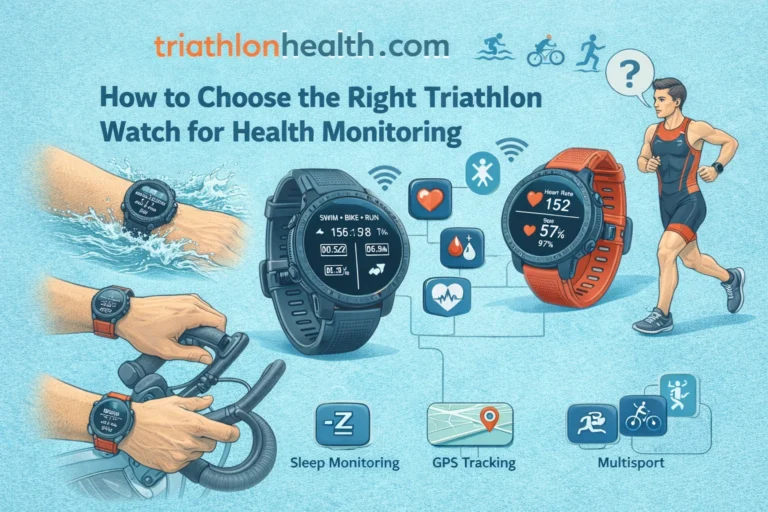
Choosing a triathlon watch feels exciting and a bit overwhelming. triathlonhealth watch selection guides you through the key features you should compare, the health metrics that matter, and how to match a watch to your training and race needs. Read on for practical, expert advice that helps you pick the best watch with confidence.
triathlonhealth watch selection, what to look for
Start with a clear idea of how you will use the watch. Are you focused on training every week, tracking recovery, or racing long events? The right watch for a weekend racer may differ from the right watch for a pro training 20 hours a week. Knowing your priorities makes it easier to weigh features.
Next, think about the health metrics you want to monitor. Some watches give basic heart rate and calories. Others add advanced data like HR variability, recovery time, sleep staging, and pulse oximetry. Decide which metrics will change how you train or recover.
Battery life and durability matter, especially for long training sessions and open-water swims. If you ride long distances or race iron-distance events, you need a watch that lasts many hours in GPS mode. Water resistance and a secure strap are essential for swim practice and transitions.
Finally, consider the software and ecosystem. A watch with a phone app that syncs to your coach, training platform, or race day plan will save time. Make sure the watch works with the third-party services you already use, and check how easy it is to set up training plans and alerts.
Health metrics that matter
Not all health metrics are equal for triathletes. You should focus on the measures that influence training stress, recovery, and race pacing. A good watch will track heart rate, pace, power or cadence (for bike), sleep, and recovery markers.
Heart rate remains the core metric for many athletes. Most watches use an optical sensor on the wrist. Optical heart rate is convenient for running and daily life. For the most accurate training data, some athletes also use a chest strap or armband when they need very precise values during intense efforts.
Recovery and stress metrics help you avoid overtraining. Watches that estimate training load, recovery time, or provide HR variability trends give you the data to adjust workouts. You can see whether you are ready for a hard session or should take an easy day.
Sleep tracking and oxygen saturation can affect how you feel and perform. Good sleep data can explain low energy or sluggish workouts. Pulse oximetry can help detect altitude or breathing related issues, though it may not be as precise as clinical devices. Use these values as part of a bigger picture.
Triathlon features and sport modes
Triathlon mode is one of the most useful features for multisport athletes. It lets you swim, bike, and run in a single activity, with fast transitions and clear data for each leg. If you race triathlon, make sure your watch supports a true multisport mode.
Some watches allow manual or automatic transitions. Manual transitions use a single button press to switch sports. Automatic transitions trigger based on sensors. Both methods work, but manual control often reduces mistakes during a chaotic transition area on race day.
Open water swim metrics vary by watch. Basic models track distance and stroke type, while advanced units add open-water GPS, stroke rate, and drill timers. If you swim in open water often, choose a watch with reliable swim tracking and a good swim mode.
Bike features include power meter compatibility, speed and cadence sensors, and turn-by-turn navigation. Run modes often include running power, cadence, and ground contact time. Review the sport modes carefully to ensure they match your training habits and gear.
GPS, sensors, and accuracy
Good GPS accuracy is critical for pacing and training metrics. Some watches use a single satellite system, others use multiple systems such as GPS and GLONASS. Multi-band receivers often improve accuracy in difficult conditions, like tree cover or urban canyons.
Sensor accuracy affects more than just distance. Heart rate, elevation, and cadence sensors all change how your data looks and how you train. Optical heart rate has improved, but consider a chest strap for high intensity intervals or threshold testing, where precision matters.
Barometric altimeters give more accurate elevation than GPS alone. If you train on hilly routes or in the mountains, a barometric altimeter helps track climbs and descent more reliably. For road triathlons, it still matters for pacing and power-to-weight calculations.
When comparing watches, check real athlete reviews and lab tests when available. Manufacturers’ specs show potential, but field tests reveal how a watch behaves in real open-water swims, crowded runs, and long rides with phone interference.
Battery life, durability, and swim use
Battery life is a top concern for many triathletes. GPS mode drains batteries fastest. Decide how many hours you need for training and racing, and choose a watch that can meet that need with some margin. For iron-distance events, look for watches that can run GPS for 10 hours or more.
Durability matters if you train in tough conditions. A rugged case, scratch-resistant glass, and a strong bezel help protect the watch. Water resistance ratings are vital for swim use. Most triathlon watches are water resistant to at least 50 meters, which is fine for pool and open water use.
Consider charging options and accessories. Some watches offer power-saving modes that extend battery life at the cost of some metrics or reduced GPS frequency. Check how easy it is to charge between sessions, and whether the charger is proprietary or standard.
For swim use, strap security is important. A loose watch can rotate and give poor heart rate readings. Choose a strap that stays put during starts, sighting, and choppy water. Also check how the watch handles pool laps, flip turns, and open water calibrations.
Comfort, fit, and strap options
Comfort influences how consistently you wear the watch. If a watch feels bulky or irritates your skin, you may skip wearing it during recovery or sleep. A lighter, slimmer design suits athletes who want continuous data without feeling weighed down.
Strap materials range from silicone to nylon to metal. Soft silicone straps are common and work well for most athletes. If you have sensitive skin, try on models or choose a fabric strap for long rides and runs. Replaceable straps let you switch between comfort and a sportier fit.
Sizing is important. Watches come in different case sizes and band lengths. Smaller wrists may prefer compact models that still offer comprehensive features. Try a watch on before buying, or check return policies and sizing guides if you buy online.
For swim and race day, a secure clasp is key. Some athletes prefer quick-release pins that can be swapped fast in transition. Choose a strap and closure that let you move quickly while keeping the watch firmly attached during the swim and bike sections.
Software, apps, and ecosystem
The watch’s software shapes your daily experience. A clean, simple app that syncs reliably will save you time. Look for easy data export, good training plan support, and the ability to share workouts with coaches or platforms you use.
Third-party app compatibility matters if you use other training tools. Many watches sync with coaching platforms, mapping tools, and race organizers. Confirm that the watch can send the data formats your coach expects, and that file export is straightforward.
User interface and on-watch setup affect how fast you can make changes during training. Some watches have touchscreens, others rely on buttons. While touch can be fast, buttons work better with wet hands or gloves during a race.
Firmware updates improve accuracy and add features over time. Check the brand’s track record for software support. Brands that update frequently tend to fix bugs faster and add valuable features that extend the watch’s usefulness.
Price, value, and buying tips
Price is not the only measure of value. A mid-range watch can offer the core health metrics and triathlon modes most athletes need. High-end models add advanced analytics and longer battery life, which may be worth it for heavy trainers or professionals.
Set a budget, and then list the must-have features. Prioritize those and be willing to compromise on extras that do not affect your training. For example, if you already use a bike computer for navigation, you may accept a simpler map on the watch.
Check for seasonal sales and trade-in programs. Many brands discount older models when newer versions arrive. An older flagship model often gives comparable accuracy and features to a new mid-range device, with a lower price tag.
Buy from a retailer with a good return policy. Testing the watch during real workouts is the best way to tell if it fits your needs. If possible, try the watch on a few rides and runs to ensure comfort, accuracy, and ease of use before committing.
Top watch models to consider

Below is a list of watches that commonly appear in triathlon reviews and athlete gear lists. Each model targets different needs, from long battery life to advanced health metrics and training features. Read the short notes to compare strengths and trade-offs.
- High-end multisport watch with long battery life and advanced metrics, suited for heavy trainers and pro-level athletes.
- Mid-range watch with reliable triathlon mode, good heart rate tracking, and a strong ecosystem for everyday training.
- Budget friendly model that covers core health metrics, basic triathlon modes, and a lightweight design for casual racers.
- Compact model for athletes with smaller wrists, offering key features like GPS, multisport mode, and solid battery life.
- Rugged watch aimed at adventure and off-road athletes, with multi-band GPS and robust build quality for tough conditions.
When deciding between models, compare the exact metrics each watch records. Look at battery time in GPS mode, open water swim support, and how the watch handles multisport transitions. Reviews from triathletes often reveal real-world quirks that specs do not show.
How to use your watch for race day
Race day use is about simplicity and reliability. Set up a race profile in the watch before the event. Customize screens to show only the essential metrics for each leg, like pace for the run and power or speed for the bike.
Test transitions in training. Practice toggling multisport mode, and make sure the button layout works under stress. Try timing and lap resets so you can change screens quickly during a real transition without fumbling.
Check battery before the start, but also plan for the unexpected. Carry a small charger in your gear bag if the event supplies one. If your watch has a power-save mode, know what it disables and how that might affect data during the race.
During the race, trust your plan and the key metrics you practiced with. Avoid adjusting settings in the moment unless you have a trained reason. Race-day focus should be on execution and pacing, with the watch as a reliable partner.
Maintenance and care
Regular maintenance keeps sensors accurate and the watch working for years. Rinse the watch after saltwater swims and dry it thoroughly. Salt and chlorine can corrode metal parts and degrade straps over time, so a quick clean helps longevity.
Keep firmware updated. Software fixes improve accuracy and add features. Check for updates on a regular schedule, and install them when you have time to test the watch in a short workout afterward.
Replace worn straps and chargers as needed. A failing strap can lead to lost data or a lost watch in the water. Carry a spare strap for race day if you suspect yours is near the end of life.
Store the watch in a cool, dry place when not in use. Avoid leaving it in a hot car or in direct sunlight for long periods. Battery health declines faster at high temperatures, so a little care prolongs usable life.
Let’s Recap
triathlonhealth watch selection is about matching features to your goals. Define what you need, then compare health metrics, battery life, GPS accuracy, and sport modes. Prioritize the features that change your training or race performance.
Try watches when possible, check software compatibility, and read real athlete reviews for real-world accuracy. Set a budget and balance price against the features that matter most for your events and training load.
With the right watch, you will track health trends, improve training quality, and feel more confident on race day. Use this guide to pick a watch that fits your body, your schedule, and your goals, and then wear it consistently to get the best results.
Good luck with your triathlonhealth watch selection. Choose a tool that helps you train smarter, recover better, and enjoy racing more.