
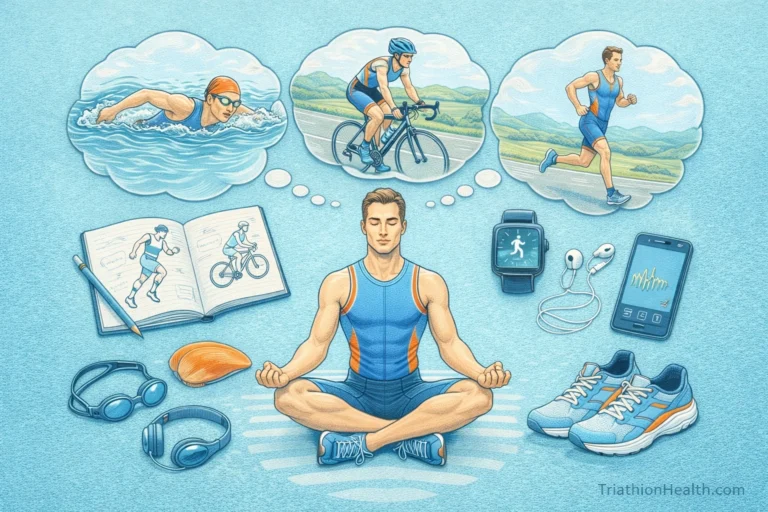
Visualization techniques can change how you race. As a triathlon journalist and coach, I have seen athletes gain seconds and confidence by training their minds. This article explains what visualization is, how to practice it, and how to use it for every part of a triathlon.
Read on to learn simple steps you can use today. The tips are clear, practical, and written so you can start right after your next workout.
Why visualization techniques matter
Visualization techniques matter because the mind guides how the body performs. When you picture a perfect swim, smooth transition, or steady climb, your brain rehearses those actions. Rehearsal helps your body follow the plan more naturally on race day.
As an expert, I watch how mental practice blends with physical work. Visualization helps athletes set realistic expectations and stay calm when things change. That calm is part of what builds mental toughness triathlon athletes need to finish strong.
Visualization is not magic. It is a consistent skill you practice like intervals or bricks. Short sessions done often move mental images from vague thoughts to clear plans. That clarity reduces doubt and boosts confidence.
When done right, visualization also improves focus. You notice fewer distractions and more steady pacing. That steady focus can shave time off each discipline and improve transitions.
How to build your visualization routine
Start simple and make visualization part of your weekly plan. Begin with five to ten minutes after an easy workout or before bed. These short sessions add up and are easier to stick with than long, infrequent efforts.
Use a quiet spot and a fixed sequence. Sit or lie down, close your eyes, breathe gently, and run a clear scene in your mind. Repeat the same scene across sessions and refine it. This repetition helps your brain learn the plan.
Include sensory details like water feel, breathing rhythm, pedal cadence, and ground feel under your shoes. The senses anchor the scene and make practice more real. When you practice like this you begin to develop mental toughness and better control under pressure.
Pair visualization with mindfulness practices to increase clarity and calm. Mindfulness helps you notice when your mind drifts and brings it back without judgment. Combine both methods and your mental training becomes stronger and easier to maintain.
Visualization for swim, bike, run and transitions

Break visualization down by discipline and transition. A clear plan for each segment prevents panic and speeds recovery when things go wrong. Picture each section as a short sequence you can rehearse in minutes.
For the swim, imagine a calm start, steady breathing, smooth sighting, and efficient strokes. For the bike, picture steady power, smooth cornering, and consistent nutrition. For the run, see relaxed stride and even effort. For transitions, rehearse quick shoe and gear changes with calm, simple movements.
Below is a short list of discipline-specific cues you can visualize to improve focus and execution. Read the lead-in sentence and keep your scene clear when you practice each cue.
- Swim cues: strong streamlines, smooth bilateral breathing, sighting every 6-8 strokes.
- Bike cues: steady cadence 85-95 rpm, soft grip, push through the pedal stroke, check pace every 10 minutes.
- Run cues: light foot strike, tall posture, cadence ~180, relaxed shoulders and hands.
- Transition cues: slow breath in, quick steady movements, one item focus at a time.
Practice each cue until it feels natural. Combine cues into a full-race scene as you gain experience. The more precise the image, the easier it is to follow on race day.
Common visualization drills
Drills make visualization concrete. Use short, repeatable exercises to train the mind. Below are drills that suit all levels and fit into busy training weeks.
Start with simple rehearsal. Sit quietly, breathe, and run the first 200 meters of the swim in slow motion. Focus on arms, head position, and breathing. Repeat this for five minutes and stop. This builds pattern memory without fatigue.
Here is a list of practical visualization drills. Read the lead-in sentence and pick two that match your training day.
- Micro rehearsal: Ten deep breaths, then visualize one perfect stroke, one pedal revolution, or one running stride.
- Scenario simulation: Picture a common race problem like a flat or lost shoe. Visualize your calm response and the exact steps to fix it.
- Countdown focus: Visualize the last kilometer of the race. Practice your finish routine and how you will push the last minutes.
- Full-race run: Create a slow-motion movie of the whole race, focusing on transitions, nutrition points, and steady pacing.
Repeat these drills two to four times per week. Mix short micro sessions with a longer full-race rehearsal once a week. Over time these drills become automatic responses during hard efforts.
Using visualization on race day
Race day is where practice pays off. Visualization helps you stay calm and stick to the plan. Use quick mental runs in the minutes before the start to center your breathing and focus.
If you feel nerves, use a short routine: close your eyes, breathe for 30 seconds, picture three key cues, and open your eyes. This method helps you overcome race anxiety and go into the start with a steady mind.
Below is a simple race-day checklist to run in your mind before the gun. Read this list slowly and imagine each item completed with calm confidence.
- Gear check: goggles, cap, bike shoes, nutrition packed and secure.
- Start plan: first 10 minutes pace, position in the swim, breathing focus.
- Nutrition plan: when to take gels or bottles, what to do if you miss a feed station.
- Transition rhythm: visual steps for entering and leaving each transition area.
Keep these visual checks brief and positive. Short rehearsal keeps focus sharp without wasting energy. When unforeseen things happen, your practiced responses will guide you calmly through them.
Key Takeaways
Visualization techniques are a practical tool that any triathlete can use. They improve focus, reduce panic, and make race plans easier to follow. Visual practice fits into your training plan and costs no extra time or gear.
Make a routine: short daily sessions plus one longer weekly run-through. Use sensory detail and repeat the same scenes often. Combine visualization with mindfulness practices to keep your attention steady and reduce distraction during hard efforts.
Use visualization to address race-day issues and to strengthen mental strategies triathlon athletes rely on. Rehearse how to overcome race anxiety, how to stay calm after a mistake, and how to maintain steady effort when you feel tired.
Start small and be consistent. With practice you will develop mental skills that match your physical fitness. These skills help you perform better and enjoy racing more. If you want to develop mental toughness, begin with five minutes a day of clear, focused visualization.