
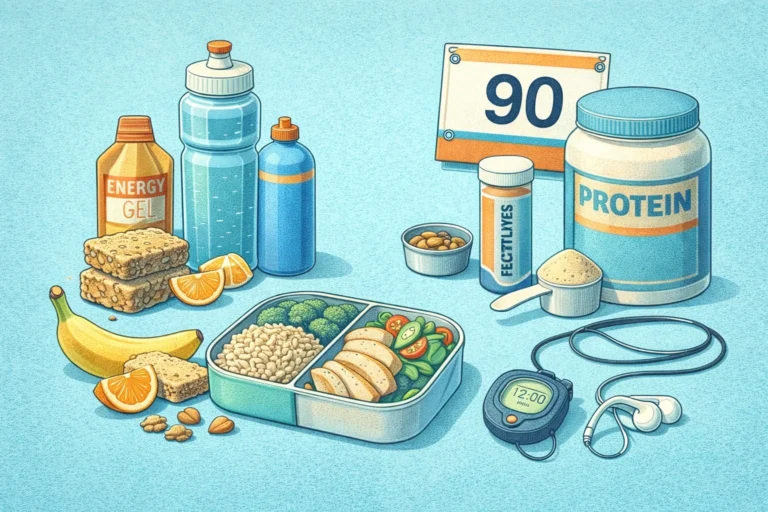
As a triathlon journalist and coach, I have watched athletes at every level learn how fueling triathlonhealth improves both training and race results. This article explains the why and the how of fueling. You will find clear rules for daily nutrition, timing for sessions, hydration strategies, and sample meal plans to use right away.
Principles of fueling triathlonhealth
Good fueling begins with simple rules. You must supply steady energy for long sessions, build muscle repair after hard work, and replace fluids and minerals lost during training. Fueling triathlonhealth means thinking about food the same way you plan workouts, with intention and consistency.
These principles apply across all distances and abilities. A beginner will use the same foundations as a pro, but with different portions and timing. The goal is to fuel for the work you do and to support recovery the rest of the day.
Start by matching calories to training load. On light days, eat less. On heavy days, add more carbohydrates and some extra protein. Small changes day to day keep body weight stable and energy high.
Before a big list of practical tips, consider this: fueling is part science and part habit. You will refine choices through testing. Below are clear guidelines to help you test with purpose, and to reduce guesswork during key training weeks and race prep.
Core guidelines for daily fuel
Daily fuel should prioritize whole foods, regular meals, and a mix of carbs, protein, and fats. These basics help training feel easier and speed recovery. Think of daily food as the base layer for every session.
A strong base includes several servings of vegetables, lean proteins, whole grains, and healthy fats each day. This mix supports energy, immunity, and long term health that keeps you training year after year.
Consistency matters more than perfection. Aim for small wins: a protein source with breakfast, a carbohydrate-rich lunch on hard days, and a recovery snack after workouts. These habits pay off across weeks and months.
Macronutrients and timing for triathlonhealth
Understanding macronutrients keeps your fuel choices clear. Carbohydrates supply most of the energy during training. Protein supports repair and adaptation. Fat helps with long steady energy and overall health. Timing these nutrients around workouts changes how you perform and recover.
For fueling triathlonhealth, aim to plan meals and snacks with purpose. Pre-session, choose quick carbs for fast sessions and more balanced meals for long steady work. Post-session, prioritize protein with carbs to refill and rebuild.
Below are focused sections on each macronutrient and practical timing advice you can use this week. These sections include simple serving ideas and how to move food choices into training plans.
Carbohydrates: the main fuel
Carbohydrates are the most important fuel for most triathlon training. Muscles use stored carbs for intensity and long steady work. If stores run low, pace and power drop. A goal is to keep stores topped up on heavy days.
Daily carb needs vary by training load. Easy days might require 3 to 5 grams per kilogram of body weight. Hard days and heavy volume weeks can require 6 to 10 grams per kilogram. Track how you feel and adjust slowly.
Before long sessions, eat a carb-rich meal 2 to 4 hours prior. For sessions under 60 minutes, a light snack 30 to 60 minutes before may be enough. During sessions longer than 60 to 90 minutes, plan to take carbs in through drinks, gels, or bars to maintain power.
Protein: repair and adaptation
Protein supports muscle repair and adaptation after training. It also helps with satiety and immune function. For triathletes, getting enough protein is essential, especially during heavy training or when cutting weight carefully.
Aim for 1.2 to 1.8 grams per kilogram of body weight daily, depending on volume and goals. Spread protein across meals, with 20 to 30 grams at breakfast, lunch, dinner, and in recovery snacks. This pattern supports muscle rebuilding and steady amino acid availability.
After sessions, include protein within 30 to 60 minutes. A quick recovery snack with 20 to 30 grams of protein and some carbs is ideal. This could be yogurt with fruit, a protein shake with banana, or turkey on toast.
Fat: steady energy and health
Fat is a critical part of daily energy, vitamin absorption, and hormone balance. It helps support long rides and runs at lower intensity, and it keeps you feeling full between meals. Choose healthy fats from plants and fish.
Do not overemphasize fat right before high intensity sessions. Heavy fat in a pre-session meal can slow digestion and cause discomfort. Instead, use fats earlier in the day or in recovery meals where slow release energy is helpful.
Include sources like olive oil, nuts, seeds, avocado, and oily fish. These choices supply essential fatty acids and help with long-term health that supports consistent training.
Hydration and electrolytes for training performance
Hydration is often overlooked, but it affects performance and safety. Dehydration reduces power, increases perceived effort, and raises the risk of heat issues. The goal is to match fluid and electrolyte losses during training and racing.
Start each session well hydrated. A simple rule is to drink regularly during the day and to monitor urine color: pale yellow usually signals good hydration. Before sessions, a small drink 15 to 30 minutes prior helps top off fluid stores without sloshing in the stomach.
During long or hot sessions, drink regularly and include electrolytes. Sodium is the main mineral lost in sweat. Replacing it helps avoid cramping and supports fluid balance. Use sports drinks, electrolyte tablets, or salted snacks depending on session length and intensity.
After sessions, replace fluids based on weight loss. A quick approach is to drink 1.2 to 1.5 liters of fluid for each kilogram lost during training. Include some salt in post-session drinks or meals to help the body retain the fluid.
Fueling for different training sessions
Training for triathlon includes a mix of long steady work, high intensity intervals, and bricks. Each session type requires a different fueling approach to get the most benefit and reduce the chance of problems. Plan meals and snacks to suit the session.
Below are targeted strategies for the main session types. Each section offers practical tips to test in training and adapt for race week. Try one change per week so you can tell what helps.
Keep a training log of what you ate and how you felt. That record helps you repeat successful approaches and avoid repeats of mistakes. This habit is especially useful in the weeks before a goal event.
Long endurance sessions
Long rides and long runs need steady fuel to keep pace and delay fatigue. For sessions of 90 minutes or longer, plan to take 30 to 90 grams of carbohydrate per hour, depending on intensity and body size. That amount keeps energy steady and delays the drop in power.
Choose easily tolerated options: sports drinks, energy gels, chews, or bars. Combine sources when practical, such as a drink plus gels, to mix flavors and textures. This approach can reduce stomach upset on long efforts.
Practice your fueling schedule on long training days. Your goal is to know how many grams of carbs per hour your stomach accepts and which products cause no issues. That knowledge reduces stress on race day.
High intensity intervals
Short, intense sessions rely on stored carbohydrates. If you are doing multiple interval sets, ensure you start with full carbohydrate stores. A moderate carb meal 2 to 4 hours before the session will help.
During the session, fluids are usually enough unless the session is long. Between sets on long intervals, a small sip of a carb drink can help top up. After the session, a focused recovery snack speeds adaptation and repair.
If you train twice a day, plan to refuel quickly between sessions. A recovery snack with carbs and protein within 30 minutes will help you perform in the second session and support muscle rebuilding.
Brick sessions and race simulation
Brick sessions combine bike and run. They test transition and the body’s ability to change gears. Fueling for bricks should mimic race strategies. Use the same foods and timing you plan for race day, at least once during training.
Practice nutrition while changing clothes or shoes. Learn how long it takes to eat and drink in the transition without losing time. This practice keeps your race day routine simple and reliable.
Test both timing and the volume of intake. Some athletes need a small gel right before the run. Others prefer a drink during the final bike minutes. Find what keeps your stomach settled and legs responsive.
Swim-focused sessions
Swimming often occurs early in the day when stomachs are empty. For short morning swims, a small snack like a banana or a sports drink 30 minutes before can be enough. For longer pool sets or open water swims, eat a fuller meal 2 to 3 hours prior.
Avoid heavy fats and fiber before morning swims as they can cause stomach upset. Liquid options are often the safest: a smoothie, a recovery shake, or an easily digested cereal with fruit can give steady energy.
If you train in cold water or in a wetsuit, you may not notice sweat loss. Still, fluid needs matter. Hydrate well before and after sessions to support recovery and maintain energy across training blocks.
Pre-race and race-day fueling for triathlonhealth
Race day nutrition is a different challenge. Stress, nerves, and a change in routine can affect digestion. Having a simple, practiced plan is the best way to avoid surprises. Fueling triathlonhealth on race day means using the foods that worked in training and timing them to match race demands.
Start with a familiar breakfast 2 to 4 hours before your race. Choose high carbohydrate foods that you tolerate well. Keep protein moderate and fat low to reduce digestion time. Practice this meal in at least two training sessions before the event.
In the final hour before the swim start, many athletes use a small snack or gel for top up. A 30 to 60 gram carb intake in the final hour may help maintain blood sugar during the opening minutes of the bike and run. Test this approach in lead-up training.
During the race, stick to a consistent fueling plan. For most long races, aim for 60 to 90 grams of carbs per hour on the bike, and 30 to 60 grams per hour while running, depending on tolerance and length of the event. Spread fuel across the hour in small, regular intakes.
Recovery and adaptation after sessions
Recovery is where training yields gains. Without good recovery nutrition, sessions do not result in the same strength and fitness improvements. Plan recovery meals and snacks to restore glycogen, repair tissue, and reduce inflammation.
Within 30 to 60 minutes after a hard session, eat a recovery snack with quick carbs and protein. A 3:1 to 4:1 ratio of carbs to protein is a useful guideline after long endurance work. For strength or high intensity sessions, a slightly higher protein portion helps muscle repair.
Across the day after hard sessions, include whole-food meals with vegetables, whole grains, lean protein, and healthy fats. These meals supply micronutrients the body needs to adapt. Pay attention to sleep, as nutrition and sleep act together to support recovery.
Practical meal plans and sample menus for training weeks

Practical menus make it easier to follow the theory. Below are sample plans for a typical training day, a long ride day, and a race morning. Use these as starting points and change foods based on what you tolerate and enjoy.
The first sample is for a moderate training day with a morning swim, midday bike, and evening run. It focuses on timing and balance. Adjust portion sizes to match your energy needs.
- Breakfast (2 to 3 hours before swim): Oatmeal with banana, a scoop of Greek yogurt, and a drizzle of honey. Coffee or tea if you usually drink it. This meal offers carbs and some protein while staying light.
- Mid-morning snack: Piece of fruit and a handful of nuts or a small smoothie. This keeps energy steady before the bike session.
- Lunch (2 to 3 hours before bike): Rice bowl with grilled chicken, mixed veggies, and olive oil. This meal fuels the bike with carbs and protein.
- During long bike: Sports drink and a gel every 45 minutes as needed. Sip regularly and avoid long gaps between intake.
- Post-workout recovery: Chocolate milk or a recovery shake and a banana within 30 minutes. Follow with a balanced dinner.
The next sample is for a long ride day where you need sustained energy over several hours. This plan shows how to layer meals and on-bike fuel.
- Pre-ride breakfast (3 hours prior): Bagel with peanut butter and honey, or pancakes with fruit. Add a small yogurt for extra protein if desired.
- Pre-ride top-up (30 to 60 minutes prior): Small sports drink or gel if needed for extra quick carbs.
- On-bike fueling: Start within the first 30 to 60 minutes. Aim for 60 to 90 grams of carbs per hour using a mix of drinks, gels, and bars. Add salt if you sweat a lot.
- After the ride: Large recovery meal with carbs, protein, and vegetables. Example: Sweet potato, grilled salmon, and a salad with olive oil.
Finally, a simple race morning menu that has worked for many triathletes. Practice this exact plan in training to ensure no surprises.
- Two to three hours before start: Bowl of rice or toast with jam and a small portion of scrambled eggs or a small yogurt. Keep fat low and carbs high.
- One hour before: Small carbohydrate snack such as a banana, half a bagel, or an energy gel. Sip on water or a light sports drink.
- On the bike: Follow your practiced hourly carb plan. Have a gel in the final 10 to 15 minutes if you normally use one before the run.
Common mistakes and troubleshooting for triathlon nutrition
Many athletes make the same fueling errors. The biggest are under-fueling, trying new foods on race day, and ignoring hydration. These mistakes are easy to fix with planning and practice.
Under-fueling reduces training quality. If you feel flat, add more carbs around sessions. If weight drops too quickly or energy is low, increase calories slowly, not suddenly. This helps you keep training consistent.
Another common error is inconsistent timing. Skipping post-session recovery meals or waiting too long to drink after a hard session slows adaptation. Make quick recovery snacks part of your routine and keep them simple.
Many athletes blame products when the problem is timing or volume. If you get stomach upset, reduce the amount taken at once or switch to a different form. Testing one change at a time helps you identify the cause.
How to track progress and adjust your plan
Track key markers to know if your fueling plan works. Use training power, pace, subjective energy, recovery, body weight trends, and mood. These measures help you spot when changes are needed.
Keep a simple journal: what you ate, when you ate, how the session felt, and any gut symptoms. Over several weeks, patterns will appear. You will see which foods support performance and which cause problems.
Adjust in small steps. Change one meal or snack per week and give your body time to adapt. Consult a sports dietitian if you face persistent issues or if you have special dietary needs such as vegetarian, vegan, or food allergies.
Key Takeaways
Fueling triathlonhealth means planning food like you plan workouts. Start with a consistent base of whole foods, match carbs to training load, and include protein for recovery. Hydration and electrolytes matter as much as calorie intake.
Practice your race-day plan in training. Test carbohydrate amounts per hour, timing for pre-session meals, and which products your stomach tolerates. Use simple recovery snacks within 30 to 60 minutes after hard sessions to speed adaptation.
Track how you feel and adjust slowly. Use the sample menus and rules above to build a personal plan. Include triathlonhealth nutrients such as whole grains, lean proteins, fruits, vegetables, and healthy fats to support both short-term performance and long-term health.
As a triathlon journalist and coach, I have seen consistency beat perfection. Focus on steady habits. Fuel well, recover fully, and the training gains will follow.