
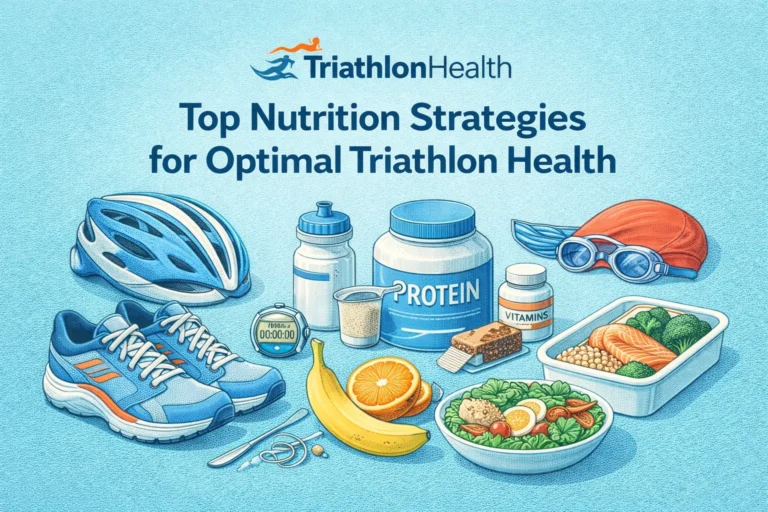
Good nutrition changes how you train, race, and recover. This article explains practical, tested strategies for nutrition for triathlon health, from daily fueling to race day tactics. You will get clear steps, sample meal plans, and common mistakes to avoid.
Whether you are a new triathlete or a veteran chasing personal bests, the right food plan makes a big difference. Read on to learn how to build a safer, stronger, and more consistent approach to eating for endurance sport.
Why nutrition matters for triathlon health
Nutrition directly affects energy, recovery, and immune function. For triathletes, consistent eating patterns support long training blocks and reduce illness. Good food choices help you train harder and recover faster.
Food is also a performance tool. The right balance of carbohydrates, protein, and fats determines how long you can sustain pace, how quickly you repair muscle, and how steady your energy feels during a race. Small changes in timing or portion size can give measurable improvements.
Nutritional strategy is more than calories. It includes hydration, electrolytes, and day-to-day meal structure. When you treat food as part of your training plan, you gain control over fatigue, mood, and training quality. This improves both short-term workouts and long-term fitness.
Fueling basics: macronutrients and timing
Understanding macronutrients helps you build a plan that matches training load and goals. Carbohydrates refill muscles, protein repairs tissue, and fats supply steady energy for long sessions. Timing these nutrients matters as much as total daily amounts.
Start with calorie needs. Your daily calories should match training volume and recovery needs. On heavy weeks you need more, on light weeks you need less. Tracking food and training for a few weeks helps you find that balance.
Nutrition for triathlon health also requires attention to meal timing. Eating the right foods before training fuels the session. Eating right after hard work helps recovery. Simple rules and consistent habits make this easy to follow over time.
Carbohydrates: role and amounts
Carbohydrates are the primary fuel for high-intensity work. For triathlon training, aim to match carbohydrate intake to session intensity and duration. Short easy workouts need less, long intense sessions need more.
Guidelines vary, but common ranges are 3 to 12 grams per kilogram of body weight per day depending on training load. Low-volume training weeks sit at the low end, while heavy-volume or race weeks sit at the high end. Adjust these numbers to how you feel and how you perform.
Timing carbohydrates around workouts prevents energy crashes. Eat a carbohydrate-rich snack 1 to 3 hours before a long or intense session. During sessions longer than 60 to 90 minutes, use carbohydrate intake on the bike or run to preserve pace and mental focus.
Protein: needs and timing
Protein repairs and builds muscle. For endurance athletes, aim for about 1.2 to 1.8 grams per kilogram of body weight per day. Strength training days and heavy training blocks should be toward the higher end of that range.
Spread protein across meals. Consuming 20 to 30 grams of high-quality protein every three to four hours supports muscle repair and adaptation. A protein-rich snack or shake within 30 to 60 minutes after hard sessions aids recovery.
Choose a variety of protein sources. Lean meats, dairy, eggs, legumes, and plant proteins all work. Variety helps you meet micronutrient needs and keeps meals interesting, which makes long-term adherence easier.
Fats: role in endurance
Fats supply sustained energy and support hormone function. They are especially important on long, steady training days. Do not fear fats, but prioritize quality and timing for best results.
Focus on unsaturated fats from fish, nuts, seeds, olive oil, and avocados. These support cellular health and can reduce inflammation. Keep saturated fats moderate and avoid trans fats.
On race day, keep fats moderate close to the start because they slow digestion. In general training, a balanced intake of fats supports overall health and long-term energy needs.
Hydration strategies for performance and recovery

Hydration is a core part of nutrition for triathlon health. Fluid loss affects strength, power, and cognition. Even small dehydration impacts how you feel on the bike and run.
Hydration plans must match sweat rate and conditions. Hot, humid days require more fluids and electrolytes than cool or calm days. Measure sweat loss by weighing yourself before and after a session to estimate fluid needs.
Electrolytes replace sodium, potassium, magnesium, and calcium lost in sweat. Sodium is the main concern for long efforts because it drives fluid retention and prevents cramping. Plan your fluids and electrolytes for long rides and runs.
Below is a short list of practical hydration steps to use before, during, and after sessions.
- Pre-session: Drink 500 to 700 ml of fluid 2 to 3 hours before long workouts. Include a small salty snack if you expect heavy sweating.
- During session: Aim for 400 to 800 ml per hour depending on sweat rate and heat. Use electrolyte drinks for sessions longer than 60 minutes.
- Post-session: Replace 100 to 150 percent of fluid lost in the first 2 to 4 hours. Add salty foods or electrolyte drinks to help recovery.
Race day nutrition: before, during, after
Race day requires a simple, practiced plan. What you eat and drink on race day should be familiar from training. Avoid testing new foods or drinks on race morning.
Start by planning your pre-race meal, mid-race fueling, and recovery nutrition. Each has a role. The pre-race meal fills glycogen stores and calms the stomach. Mid-race fuel maintains blood sugar. Post-race food starts recovery.
Practice your race fueling in training. Use long rides and brick workouts as opportunities to test timing, volumes, and specific products. This prevents surprises and helps your gut adapt to the intake you will use in the race.
Pre-race meals and timing
A pre-race meal should be mostly carbohydrate, moderate protein, and low in fat and fiber to minimize stomach distress. Eat this meal about 2 to 4 hours before the start, depending on how your stomach tolerates food.
Common choices include oatmeal with banana, toast with jam and a small portion of yogurt, or a simple bagel with honey. Avoid heavy or spicy foods that slow digestion and can cause discomfort under stress.
For early starts, a light snack 30 to 60 minutes before the swim can help steady blood sugar. Examples include an energy gel, half a banana, or a piece of white bread with a little honey. Test these in training to find what works.
Nutrition during the race
During the race, stick to a plan for carbohydrate and fluids. For events under 90 minutes, sipping fluids and a small carbohydrate source should be enough. For longer races, aim for 30 to 90 grams of carbohydrate per hour depending on intensity and tolerance.
Use easily digestible carbs like gels, sports drinks, chews, or diluted fruit juice. Combine glucose and fructose sources if you need higher amounts because this increases how much carbohydrate your body can absorb and use.
Remember that the bike is your best opportunity to fuel. It is easier to take in food while riding than during the run. Plan your bottles, feed zones, and on-bike snacks so you never have to improvise under stress.
Post-race recovery
Recovery starts in the first 30 to 60 minutes after you finish. Eat a mix of carbohydrate and protein to refill glycogen and help muscle repair. A 3:1 or 4:1 carbohydrate to protein ratio works well for many athletes.
Hydration matters here too. Replace fluid losses and include some sodium to encourage rehydration. A sports drink, chocolate milk, or a recovery shake can be both practical and effective right after a race.
Solid food should follow when your stomach settles. Lean protein, rice or pasta, and vegetables make a good recovery meal. Pay attention to appetite and avoid letting long gaps delay your next feeding.
Common nutrition mistakes and how to avoid them
Many triathletes repeat the same nutrition errors. These mistakes slow progress, cause stomach trouble, or lead to inconsistent training quality. Recognizing and correcting them makes steady gains possible.
One frequent error is inconsistent fueling during long workouts. Skipping mid-session carbs can leave you underfueled and make race day feel harder than it should. Another is relying on too many new products on race day, which risks gut issues.
Below is a short list of common pitfalls and how to fix them. Each item explains a real problem and a simple solution.
- Skipping practice: Practice race fueling and hydration during long sessions so your gut adapts.
- Under-eating on heavy weeks: Track intake and adjust calories to match training load to avoid energy shortfalls.
- Too much fiber or fat pre-race: Choose low-fiber, low-fat pre-race meals to reduce stomach upset.
- Ignoring electrolytes: Use sodium in long or hot sessions to prevent cramping and poor recovery.
Watch for patterns when you feel poor during training. Journal food, drink, and symptoms to find and fix recurring errors. This reduces surprises and increases confidence on race day.
Sample weekly triathlon meal plan
A simple weekly plan builds consistent energy and supports training. The sample below balances carbohydrates, protein, and healthy fats across training days. Use it as a template and adjust for body weight, taste, and culture.
Before the list, remember: this is a sample. Match portions to your needs. Increase carbs on heavy days and reduce them on rest days. Variety keeps the plan sustainable.
- Monday (easy): Breakfast: Greek yogurt with honey and berries. Lunch: Turkey sandwich on whole-grain bread and salad. Dinner: Grilled salmon, quinoa, steamed vegetables. Snacks: Nuts, fruit.
- Tuesday (intervals): Breakfast: Oatmeal with banana and skim milk. Lunch: Lentil soup and brown rice. Dinner: Chicken stir-fry with mixed vegetables and a small portion of rice. Snacks: Protein shake, apple.
- Wednesday (long bike): Breakfast: Bagel with peanut butter and banana. During: Sports drink and energy chews on the bike. Lunch: Pasta with tomato sauce and lean protein. Dinner: Baked potato, steamed green beans, lean steak. Snacks: Trail mix, dried fruit.
- Thursday (strength): Breakfast: Smoothie with fruit, spinach, protein powder. Lunch: Quinoa salad with chickpeas and vegetables. Dinner: Fish tacos with avocado and salsa. Snacks: Cottage cheese, pear.
- Friday (short session): Breakfast: Toast with honey and boiled egg. Lunch: Chicken Caesar salad. Dinner: Whole-wheat pasta, tomato and basil, small salad. Snacks: Greek yogurt, berries.
- Saturday (long brick): Breakfast: Pancakes with banana and honey. During: Gel every 45 minutes, electrolyte drink. Lunch: Recovery shake. Dinner: Rice bowl with tofu, vegetables, and avocado. Snacks: Banana, peanut butter.
- Sunday (rest): Breakfast: Smoothie bowl with fruit and granola. Lunch: Tuna sandwich and salad. Dinner: Vegetable soup and whole-grain roll. Snacks: Dark chocolate in small amount, nuts.
This sample shows how to place higher carbohydrate meals around hard and long sessions, and more protein on recovery and strength days. Adapt serving sizes based on your weight and training demands.
Supplements and ergogenic aids: what works
Supplements can fill gaps but they are not magic. Whole foods should be your primary focus. Use supplements to address clear needs or to gain small performance edges backed by evidence.
Effective supplements for triathletes include caffeine, beta-alanine, creatine in certain contexts, and iron when tests show deficiency. Always test products in training and consult a sports dietitian for personalized guidance.
Avoid long ingredient lists and unproven blends. Third-party testing reduces the risk of contamination, which matters for athletes subject to doping rules. Keep supplements simple and purposeful.
Below is a short list of commonly used supplements and what they do.
- Caffeine: Enhances alertness and endurance when taken in safe doses before hard sessions.
- Iron: Supports oxygen transport; supplement only when blood tests indicate low levels.
- Protein powder: Practical for post-workout recovery and meeting daily protein goals.
- Electrolyte powders: Useful during long sessions in heat to replace sodium and other minerals.
Practical tips for training days, long sessions, and taper
Practical routines make nutrition easier to follow. Simple checklists before sessions reduce stress and keep your fueling consistent. Small habits add up over weeks and months.
On long training days, pack a mix of foods that you tolerate well. Bring a drink bottle with electrolytes, solid snacks like rice cakes or bars, and quick carbs such as gels. Practice opening and using them on the bike so you do not waste time or drop items.
Tapering before races reduces training volume and often reduces calorie needs. Keep protein steady to support repair. Slightly lower carbohydrate intake in the last few days before short races, but keep it high before long races to top up glycogen.
Try this simple checklist before every long session or race: plan what you will eat and when, weigh bottles and snacks if needed, practice one extra fueling strategy each week, and keep a small emergency snack in case of delays or wrong pacing.
Monitoring and adjusting your plan: testing, data, and signs
Measure results and adjust. Use body weight, training performance, recovery, mood, and sleep as feedback. These signs tell you whether your nutrition plan is helping or hurting.
Regular testing, such as blood work for iron and vitamin D, helps you catch issues early. Combine objective data with simple subjective notes. Keep a short training and nutrition log that lists foods, symptoms, and workout quality.
Small adjustments are usually better than large ones. Change one variable at a time, such as carbohydrate amount for long rides, and see how you perform over a week. This controlled approach prevents confusion and helps you learn what works for your body.
Working with a coach or sports dietitian can speed progress. They help interpret data and create a plan that fits your lifestyle. If you work alone, use trial and error with records to make informed changes.
Key Takeaways
Nutrition for triathlon health means consistent habits, correct balance of macronutrients, and practical race day plans. Focus on carbohydrates for energy, protein for repair, and quality fats for long-term health. Tailor intake to training volume and conditions.
Hydration and electrolytes are essential, especially for long or hot sessions. Practice race fueling during training and avoid new foods on race day. Use supplements only when they have support and test them before competition.
Watch for common pitfalls like under-fueling, poor timing, and over-reliance on unfamiliar products. Keep a simple weekly routine and adjust based on data and how you feel. A clear, practiced approach to nutrition will help you train harder, race better, and stay healthier.
Use the sample triathlon meal plan as a starting point, and adapt it to your body and schedule. Good nutrition is a long-term investment in consistent training and performance. Start small, test regularly, and build a plan that fits your life and goals.